2011 Jeep Grand Cherokee AC Drain Location: Step-by-Step Guide

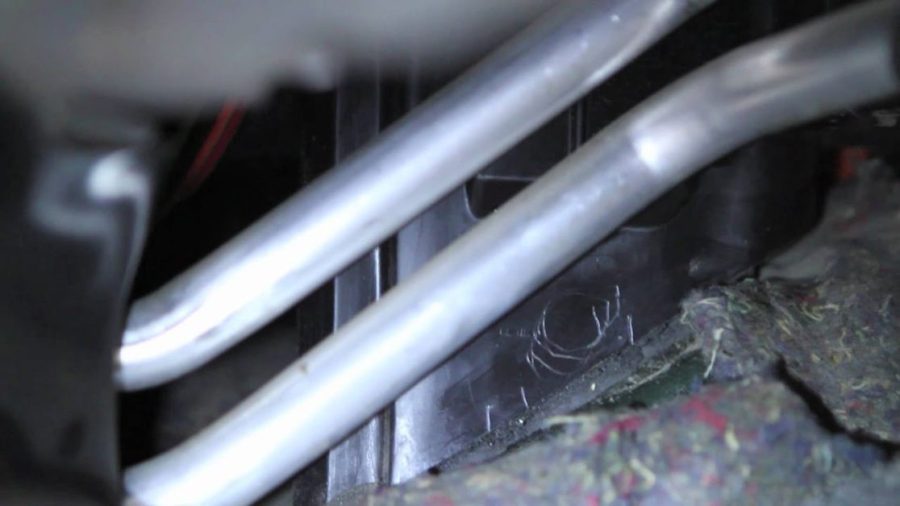
The AC drain on a 2011 Jeep Grand Cherokee sits on the driver’s side, underneath the vehicle, roughly 12–18 inches behind the front wheel. It’s a small rubber or plastic tube that exits downward toward the ground. You don’t need a jack to reach it — most owners can access it by crouching beside the driver’s-side front wheel well.
Quick Answer: Look for a short rubber tube on the driver’s side underbody, near the transmission area, about 12–18 inches behind the front wheel. That’s your AC condensation drain.
Where Is the AC Drain Located?
The 2011 Grand Cherokee belongs to the WK2 generation (2011–2021). This matters because WK2 models have a different underbody layout than earlier WK1 models (2005–2010). Generic “Grand Cherokee” guides often blur these generations, so make sure you’re using WK2-specific information.
The drain tube exits from the HVAC box through the firewall. It then routes down along the driver’s side. Look for it near the transmission pan, parallel to the bottom of the firewall.
Visual Landmarks to Find It
- Driver’s side only — not centered or passenger-side
- Roughly 12–18 inches behind the front wheel
- A short, flexible tube (1/2 to 3/4 inch diameter)
- Points straight down toward the pavement
- Located near the transmission pan, close to the firewall
Check Jeep’s official owner documentation to cross-reference your specific trim’s underbody layout.
How to Access It Safely
Crouch beside the driver’s-side front wheel. Look rearward along the bottom of the vehicle. Use a flashlight — the tube is often dark-colored and blends into the underbody. Don’t confuse it with coolant hoses or transmission lines. Those run to different locations.
Why Your AC Drain Matters
Your AC system produces 1–2 gallons of condensation per hour of operation. That water needs somewhere to go. The drain tube channels it safely out of the vehicle and onto the ground — which is completely normal.
When the drain clogs, that water has nowhere to escape. It backs up into the HVAC box and cabin. According to EPA indoor air quality standards, standing moisture inside an enclosed space can support mold growth within 3–7 days in humid conditions.
That’s a serious problem. Mold inside your HVAC system causes persistent musty odors and potential health risks. Blocked drains also risk water pooling on your floor mats, soaking into insulation, and reaching electrical connectors beneath the carpet.
How to Check and Clear a Clogged Drain
Start with a visual inspection. Look at the drain tube opening from below. If you see compacted debris, insect nests, or dried sediment blocking the opening, that’s your culprit.
Signs Your Drain Is Clogged
- Musty or mildew smell when AC runs
- Water pooling on driver’s-side floor mat
- Foggy windows that don’t clear quickly
- Gurgling sounds from the dashboard area
About 40% of 2011 Grand Cherokee owners report AC drain issues at some point during the vehicle’s lifespan — it’s one of the most common summer maintenance complaints.
DIY Clearing Methods
These steps work for most clogs. They cost nothing beyond basic tools you likely already own.
- Compressed air: Insert a straw or narrow nozzle into the tube opening and blow upward into the drain. This dislodges most soft clogs.
- Flexible wire: Gently insert a thin wire (a trimmer line or coat hanger tip works) and probe the blockage. Don’t force it.
- Water flush: Pour a small amount of water into the HVAC drain box from inside (under the glove box area) and watch for it to exit at the tube below.
For a visual demonstration, check this video walkthrough from a certified mechanic showing the exact procedure on a WK2 model.
Dealership AC drain service typically costs $75–$150. The DIY approach costs $0–$15 for tools. Most owners clear this themselves in under 20 minutes.
When to Call a Mechanic
Call a professional if water continues pooling after you’ve cleared the drain. A persistent leak may indicate a cracked HVAC box, a displaced drain fitting, or a blocked evaporator core — issues that require partial dashboard removal. If you’re comfortable doing other Jeep repairs like replacing a Jeep starter, this DIY job is well within reach.
Troubleshooting Common Issues
Not every underbody drip comes from the AC drain. This is where owners often make mistakes.
| Symptom | Likely Cause |
|---|---|
| Clear water, driver’s side | AC condensation drain — normal |
| Clear water, driver’s side (no AC running) | Coolant leak — inspect radiator hoses |
| Pink or orange fluid | Transmission fluid — urgent repair needed |
| Musty cabin smell only | Clogged AC drain — clear immediately |
| Water on passenger floor | Clogged drain backing up or heater core leak |
Prevention Tips
- Run your AC for at least 10 minutes per week, even in winter. This keeps the drain tube clear and prevents sediment buildup.
- Check the drain opening each spring before peak humidity season (June–August).
- Park on a flat surface after running the AC. Watch for a small puddle underneath — that’s normal drainage, not a leak.
- Avoid parking under trees where debris can enter the HVAC air intake and eventually reach the drain.
Final Takeaway
The 2011 Grand Cherokee AC drain is easy to find once you know where to look. Driver’s side, 12–18 inches behind the front wheel, small rubber tube pointing down. Check it each summer. Clear it when clogged. That simple step prevents mold, water damage, and expensive repairs. If your issue persists after DIY clearing, a mechanic can diagnose deeper HVAC problems quickly — but most owners won’t need to go that far.