Are Jeep Rubicons Safe? The Truth About Their Safety Ratings

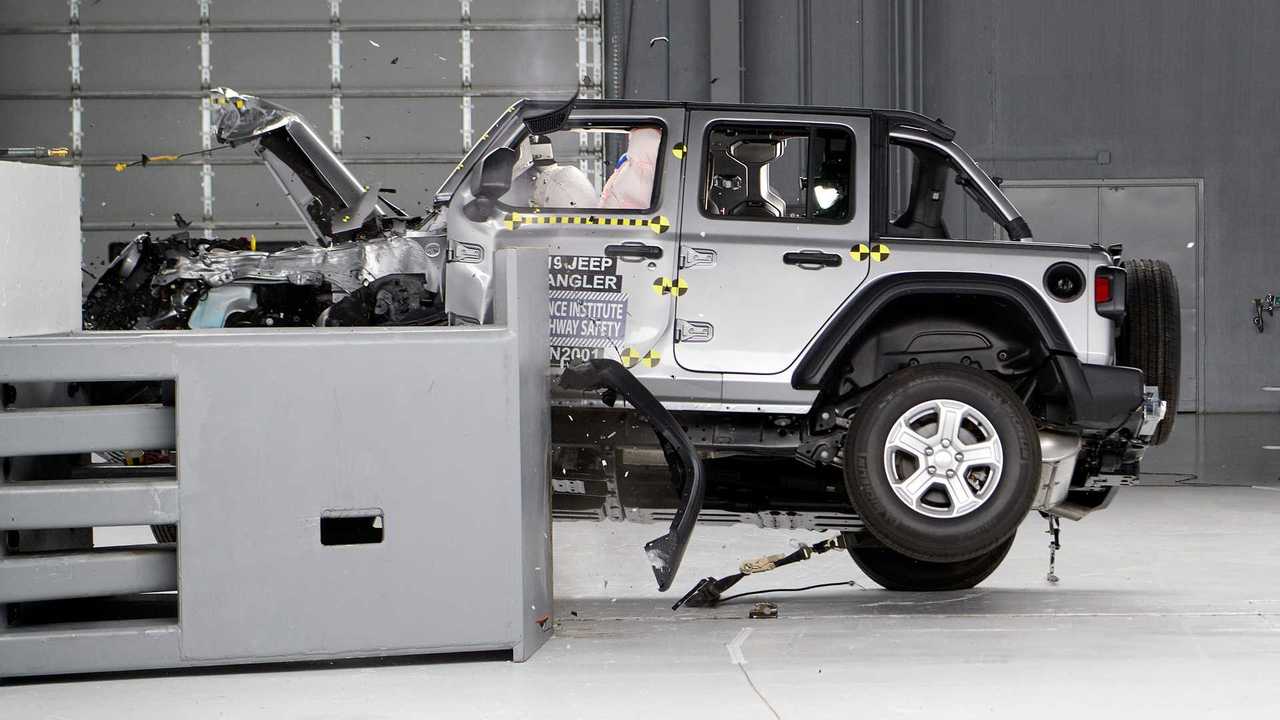
The Jeep Rubicon’s safety rating has become a critical concern for buyers weighing the iconic off-roader’s appeal against real-world crash protection. The Jeep Wrangler was redesigned for the 2018 model year. Yet, safety ratings remain a topic of intense discussion, particularly after the Institute’s test, where the vehicle tipped onto its passenger side after striking the barrier.
I’ll walk you through the Jeep Wrangler crash rating from both NHTSA and IIHS, explore whether do jeep wranglers have airbags and other protective systems, and evaluate the Jeep Wrangler Rubicon safety rating against competing SUVs to help you make an informed decision.
Jeep Wrangler Rubicon Safety Rating: What the Numbers Say
NHTSA Crash Test Results for Rubicon Models
The National Highway Traffic Safety Administration awarded the 2023 Jeep Wrangler a 4-star overall safety rating out of 5. Breaking down the scores, the frontal crash test yielded 4 stars for the driver and 5 stars for the passenger. Side crash protection earned a solid 5-star rating. The rollover risk category, however, received only 3 stars, reflecting the vehicle’s high center of gravity.
NHTSA has not completed all crash tests on recent Wrangler models. The agency subjected the Wrangler to only two of its four standard tests, which means it lacks an official overall safety rating from NHTSA. In the standard front impact test, where the vehicle runs straight into a flat wall, the Wrangler earned four out of five stars for both driver and passenger positions. NHTSA has not yet performed side impact testing on newer models.
IIHS Safety Ratings and Test Performance
The 2024 and 2025 Wrangler four-door models achieved their highest safety marks ever from IIHS, earning 9 out of 10 “Good” ratings in the updated moderate overlap front crash test. The single “Acceptable” rating came from a rear crash test dummy’s head contacting the rear roll bar trim, though the seatbelt functioned properly.
The small overlap front crash test remains problematic. In both 2019 and 2022 tests, the Wrangler tipped onto its passenger side after striking the barrier at 40 mph. This rollover issue resulted in a “Marginal” overall rating, as tipping over presents additional injury risks beyond standard measurement criteria. The Wrangler is the only vehicle model ever to tip over during this specific test.
Side impact testing for 2024 models earned “Good” ratings after Jeep added rear side curtain airbags. Headlight performance disappoints, with three of four available configurations receiving “Poor” ratings and the premium LED projector headlights earning only “Marginal”. The Wrangler lacks pedestrian detection or automatic emergency braking, resulting in a “Poor” rating for vehicle-to-pedestrian testing.
How the Rubicon Compares to Other SUVs
The Wrangler competes closely with off-road rivals like the Ford Bronco and Toyota 4Runner, but falls short against safety-focused crossovers. The Subaru Outback and Honda CR-V offer superior crash protection and standard advanced driver assistance systems. In direct comparison, the Bronco avoids the rollover issue that plagues the Wrangler in small overlap crash tests.
Structural Safety and Crash Protection Features
Body-on-Frame Construction and High-Strength Steel
The Wrangler’s structural foundation differs from most modern SUVs. Body-on-frame construction prioritizes off-road durability over crash energy management, creating a rigid platform that absorbs less impact force compared to unibody designs.
The frame contains nearly 80% high-strength or advanced-high-strength steels, while the body uses more than 40% steels in high-strength or stronger grades. This composition includes hot-stamped ultra-high-strength steel in the upper cage structure and A-pillar reinforcements specifically designed for small-overlap crash tests.
The stiff frame transfers more energy to occupants during collisions rather than absorbing it gradually. Removable doors and roof reduce side-impact protection, though these features define the Wrangler’s appeal.
Do Jeep Wranglers Have Airbags? Understanding the Airbag System
Standard equipment includes driver and front passenger airbags, front seat-mounted side bags, and first- and second-row side curtain airbags. Side curtain airbags became standard in 2020, addressing previous gaps in rollover protection. The 2024 models added rear side curtain airbags to improve rear occupant protection in side impacts.
During IIHS small overlap tests, the combination head and torso side airbag did not deploy. The removable roof design exempts the Wrangler from regulations requiring side curtain airbags in rollovers.
Roll-Over Protection and Rollover Rating Considerations
The Static Stability Factor measures 1.18-1.25, below the 1.30+ average for most SUVs. High ground clearance raises the center of gravity, increasing tip-over likelihood during sharp turns. Electronic Stability Control, standard since 2012, reduces rollover fatalities by 50-80%. Blow-formed ultra-high-strength steel sport bars run from the A-pillar to the C-pillar, creating a protective cage.
Side-Impact and Front Crash Protection
The safety strategy employs offensive and defensive structures. Offensive structures combine body and frame load paths to absorb energy and push the vehicle off barriers. Defensive components include hot-stamped B-pillars and high-strength steel underbody cross members that prevent cabin intrusion.
Advanced Safety Technology in the Rubicon
Beyond structural protections, the Wrangler incorporates driver assistance technologies designed to prevent collisions before they occur.
Forward Collision Warning and Automatic Emergency Braking
Available Forward Collision Warning with Active Braking monitors the road ahead using sensors to detect potential frontal impacts. When the system identifies a collision risk, it alerts you and can automatically engage the brakes if you don’t respond. The Wrangler lacks pedestrian detection capabilities, resulting in limitations compared to safety-focused competitors.
Blind Spot Monitoring and Rear Cross Path Detection
Radar-based sensors detect vehicles in your blind spot zones or crossing behind you. Blind Spot Monitoring alerts you with visual indicators in the side mirror when another vehicle enters these areas. Rear Cross Path Detection warns of approaching vehicles when backing out of parking spots, addressing visibility challenges inherent to the Wrangler’s design.
Electronic Stability Control and Traction Management
Standard Electronic Stability Control maintains vehicle stability during challenging driving conditions. The system monitors vehicle movement 25 times per second, comparing actual direction to the intended path.
When detecting loss of control, ESC reduces engine power or applies brakes to individual wheels. Traction control works in harmony with ESC, preventing wheel slip by adjusting throttle input or applying brake force to slipping wheels.
ParkView Rear Back-Up Camera and Parking Assist
Each 2023 Jeep Wrangler includes a standard backup camera. The ParkView system displays the area behind your vehicle with dynamic gridlines on the Uconnect touchscreen. The camera mounts in the center of the rear spare carrier, protected by a metal tube-like structure. Available ParkSense Rear Park Assist uses ultrasonic sensors to alert you when approaching obstacles.
Hill Start Assist and Hill Descent Control
Hill Start Assist maintains brake pressure for a short period after you remove your foot from the brake pedal on inclines. Hill Descent Control, available on Rubicon models, maintains controlled speed while descending steep slopes in 4-Low. The system applies braking pressure to individual wheels automatically, allowing you to focus on steering.
Real-World Safety Performance and Owner Experiences
Common Safety Concerns About Jeep Wranglers
Real-world fatality data reveal concerning statistics. The IIHS Death Rate Report shows the Wrangler Unlimited experiences 18 deaths per million registered vehicles, while the 2-door variant reaches 29 per million, ranking among the highest rates for midsize SUVs. The average midsize SUV has 15 deaths per million. Rollovers account for approximately 35% of Wrangler fatalities, often involving ejection when seatbelts aren’t used.
The NHTSA opened an investigation into 2021-2023 models after receiving complaints of spontaneous underhood fires affecting an estimated 781,000+ vehicles. Owners reported fires occurring while vehicles were parked and turned off, traced to an alleged power steering pump electrical connector on the passenger side. Multiple model years suffer from “death wobble,” where violent front-end shaking occurs at highway speeds after hitting bumps.
Off-Road Safety Capabilities
The Wrangler excels in off-road scenarios. A reinforced steel roll cage protects occupants during flips or rollovers on trails. Skid plates shield critical components from rocks and debris. Electronic Roll Mitigation automatically applies brakes to prevent tip-overs on steep inclines. The vehicle handles water fording up to 30 inches, outperforming most SUVs in flood conditions.
How Safe Is a Jeep Wrangler in Daily Driving Conditions
For daily commuting, the Wrangler provides adequate safety but doesn’t lead its class. Families prioritizing crash protection should consider alternatives like the Subaru Outback or Volvo XC60, which offer superior protection and advanced safety technology.
Conclusion
All things considered, the Rubicon delivers acceptable safety for off-road enthusiasts but doesn’t compete with safety-focused SUVs. The unique rollover concern during crash testing sets it apart from competitors, notably making it less ideal for families prioritizing protection.
Before choosing a Wrangler, weigh your priorities carefully. If you value trail capability above crash ratings, the Rubicon works well. However, buyers seeking the safest daily driver should explore alternatives like the Subaru Outback or Honda CR-V.