
Should You Clay Bar a Brand New Car? Yes—Here’s Why and How

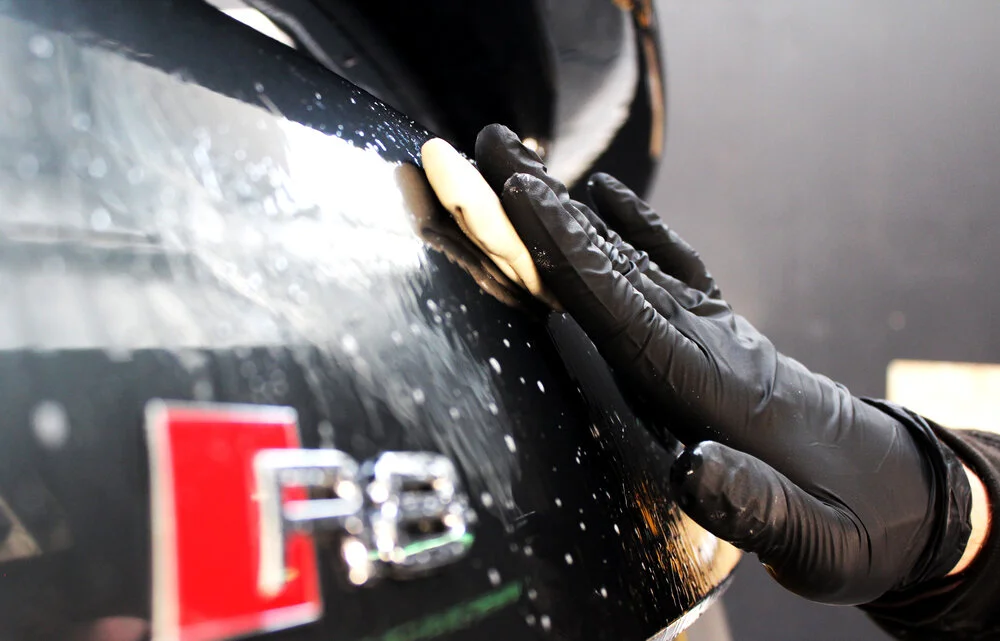
You’ve just driven your brand-new car off the lot, and its paint gleams flawlessly under the sunlight. So why would you need to clay bar it? The surprising answer is yes—even brand-new cars benefit from clay barring before applying any protective treatments.
Despite appearing pristine, your new vehicle has likely accumulated bonded contaminants during manufacturing, shipping, and dealership storage that regular washing simply cannot remove. This guide explains why clay barring matters for new cars and shows you how to do it safely to protect your investment.
Why Brand-New Cars Need Clay Barring
Your new car’s journey from the factory to your driveway exposes it to numerous contaminants. Most vehicles sit unprotected at manufacturing facilities and dealership lots for weeks or months, accumulating industrial fallout, rail dust, brake dust, and environmental particles that bond to the paint surface. During transport—whether by train, truck, or ship—your car encounters even more airborne contaminants.
These microscopic particles create invisible contamination that washing with soap and water cannot eliminate. Unlike surface dirt, bonded contaminants embed into the paint’s clear coat, creating a rough texture that interferes with wax and sealant adhesion. Without proper removal, these particles can gradually degrade your paint’s finish and reduce the effectiveness of any protective coatings you apply. Clay bar removes these stubborn contaminants, restoring the paint to its true, smooth condition.
How to Tell If Your New Car Needs Clay
Before diving into clay barring, perform a simple tactile test to assess contamination levels. Place your hand inside a clean plastic sandwich bag and lightly run it over a lubricated section of your car’s paint. If the surface feels bumpy or rough through the bag, contamination is present, and clay barring will be beneficial. A smooth-as-glass sensation indicates minimal contamination, though clay barring is still optional and won’t cause harm when done properly.
This test works best on horizontal surfaces like the hood, roof, and trunk lid, where contamination typically accumulates most heavily. Always clay bar before applying any wax, sealant, or ceramic coating for optimal results.
Safe Clay Barring Process for New Cars
The key to safely clay bar a new car lies in using gentle techniques and proper products. Choose a fine-grade clay bar or synthetic clay mitt specifically designed for light contamination—these are less aggressive than standard clay products and perfect for new paint.
Step 1: Begin with a thorough wash using quality car wash soap to remove all loose dirt and debris. Never clay bar over a dirty surface.
Step 2: Apply generous amounts of clay lubricant or diluted car wash solution to a small section (about 2×2 feet). Proper lubrication prevents micro-marring and allows the clay to glide smoothly.
Step 3: Gently glide the clay bar or mitt across the lubricated surface using light, straight-line motions. Avoid circular patterns and never apply excessive pressure—let the clay do the work. The clay will grab contaminants as you work.
Step 4: Frequently check your clay for embedded particles and fold or knead it to expose clean surfaces. If you drop the clay, discard it immediately to prevent scratching.
Step 5: Wipe each section clean with a microfiber towel before moving to the next area. Work systematically around the entire vehicle.
Step 6: After completing the clay process, apply your chosen protective coating—wax, sealant, or ceramic coating—while the paint is clean and prepared.
The entire process typically takes 30-45 minutes for a standard vehicle. Remember, improper technique involving insufficient lubrication or excessive pressure can cause micro marring, so patience and gentle handling are essential.
Synthetic Clay vs. Traditional Clay: Which Is Better?
For new cars, synthetic clay products often provide advantages over traditional clay bars. Clay mitts and synthetic clay towels are less abrasive than conventional clay, making them inherently safer for pristine new paint. They’re also easier to control and more forgiving for beginners, reducing the risk of technique-related damage.
Traditional fine-grade clay bars remain effective when used properly, but they require more careful handling and precise technique. Synthetic alternatives remove contaminants just as effectively while offering greater peace of mind for new car owners concerned about potential paint damage.
Both options work well with proper lubrication and gentle technique. Choose based on your comfort level and experience—synthetic clay for maximum safety, traditional clay for proven effectiveness when you’re confident in your technique.
Conclusion
Clay barring your brand-new car is a worthwhile investment in paint protection that takes less than an hour to complete. While your car may look perfect, invisible contamination from factory exposure and transport is likely present, and removing it before applying protective treatments ensures optimal results and long-term paint health.
The process is safe, inexpensive, and provides the clean foundation your new car’s paint deserves. Don’t let perfect appearances fool you—give your new car the clay bar treatment it needs to maintain that showroom shine for years to come.