2006 Jeep Grand Cherokee ESP BAS Light: Complete Diagnostic and Fix Guide 2026

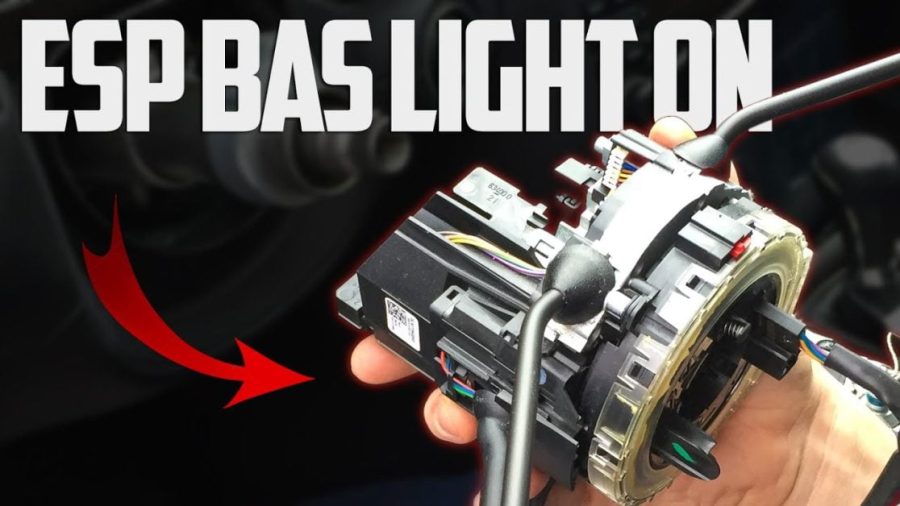
The ESP BAS warning light on your 2006 Jeep Grand Cherokee dashboard signals a problem with your Electronic Stability Program or Brake Assist System. While this light doesn’t require you to pull over immediately, ignoring it compromises your vehicle’s safety features. The good news: most causes are straightforward to diagnose and fix yourself.
What the ESP BAS Light Actually Means
Your 2006 Grand Cherokee’s ESP (Electronic Stability Program) and BAS (Brake Assist System) work together to prevent skidding and loss of control during emergency braking and slippery conditions.
The ESP monitors wheel speed and steering angle to detect when your vehicle is losing stability, then applies brake pressure to individual wheels to regain control. The BAS system detects when you slam on the brakes and ensures maximum brake pressure is applied instantly.
When either system detects a fault, the light illuminates. This means your vehicle is currently operating without electronic stability control—essentially, you’re driving without a critical safety net. In normal conditions, your brakes work fine. But on wet roads, gravel, or during hard emergency braking, your vehicle is at greater risk of skidding.
Is It Safe to Drive?
Short trips to a mechanic are acceptable, but avoid extended highway driving, especially in wet conditions. The light indicates a malfunction, not an imminent failure. You should address it within days, not weeks.
The Five Most Common Causes
1. Dirty or Failing Wheel Speed Sensor (Most Common)
Your 2006 Grand Cherokee has four wheel speed sensors—one at each wheel. These sensors monitor how fast each tire rotates and send this data to the ABS control module. If one sensor fails or sends a weak signal, the entire ESP BAS system goes into fault mode.
Why it fails: Brake dust, road dirt, and metal debris accumulate on the sensor. Road salt corrodes the connector. Internal electrical failure occurs after years of vibration and temperature cycling.
How to identify it: The ABS light often appears alongside the ESP BAS light. A scan tool will reveal codes like C0035 (wheel speed sensor circuit) or U1418 (specific wheel identified by the code).
DIY fix level: Moderate difficulty. Removing the wheel and unbolting the sensor takes 20–30 minutes per wheel. The challenge: accessing the connector, which may be tight. Before replacement, try cleaning the sensor with a soft brush to remove accumulated debris. Sometimes this alone clears the light.
Cost: Parts run $25–60 per sensor; labor at a shop is $80–120 per wheel. Total for one sensor: $150–200 (DIY: parts cost only).
2. Steering Angle Sensor Out of Calibration (Very Common)
The steering angle sensor, built into your steering wheel column, tells the vehicle’s computer exactly how many degrees the steering wheel is turned. The ESP system compares this data with wheel speed data. If the steering angle sensor “thinks” you’re turning left while the wheels are straight, the system triggers a fault.
Why it goes out of calibration: Sharp turns, hitting a pothole or curb, wheel alignment work, suspension repairs, or even a battery disconnect/replacement can knock this sensor out of sync.
How to identify it: The light often appears after these events. The steering wheel may feel slightly off-center on the highway even though it appears straight.
DIY fix level: Easy. This is a manual reset you can perform in your driveway in under 5 minutes.
The steering angle sensor reset procedure:
- Sit in the driver’s seat with the engine off.
- Turn the ignition to ON (do not start the engine).
- Turn the steering wheel all the way to the left until it stops.
- Turn the steering wheel all the way to the right until it stops.
- Return the steering wheel to the center position (straight ahead).
- Turn the ignition off.
- Wait 10 seconds.
- Start the engine and take a short 5-minute drive.
In many cases, this simple procedure clears the light. If it reappears, the sensor itself may be faulty and require professional recalibration using a diagnostic scan tool.
Cost: Free for manual reset. Professional scan tool calibration: $100–150 at a shop. Sensor replacement (if faulty): $200–350, including labor.
3. Faulty Brake Switch
The brake light switch sits beneath the brake pedal. When you press the brake, it physically activates a plunger that completes an electrical circuit, turning on your brake lights. It also signals the ESP and BAS systems that braking is occurring.
Why it fails: Mechanical wear, corrosion on electrical contacts, or the plunger breaking inside the switch housing.
How to identify it: Your brake lights don’t turn on when you press the pedal. Or the light appears right after brake work. A scan tool reveals code P0571 (brake switch performance).
DIY test: Have someone stand behind your vehicle. Press the brake pedal. Do the brake lights illuminate? If not, the switch likely failed. If they illuminate normally but the ESP BAS light is still on, the electrical signal to the ESP module may be interrupted.
DIY fix level: Easy. The switch is mounted on the brake pedal arm under the dashboard, accessible from underneath with a flashlight. Rotate it counterclockwise to remove.
Cost: Switch replacement part: $30–50. Labor at the shop: $75–100. Total DIY: parts only. Total at shop: $120–150.
4. Low Tire Pressure or Mismatched Tire Sizes
Uneven tire pressures trick your ABS wheel speed sensors into sending conflicting data. If one tire is underinflated, it rotates slightly faster to cover the same distance. The system interprets this as loss of traction.
How to identify it: Check the pressure on all four tires. Look for any tire significantly lower than the others. Ensure all four tires are the same size.
DIY fix level: Trivial. Inflate tires to the PSI listed on the driver’s door jamb (usually 30–35 PSI).
Cost: Free (unless you need new tires).
5. Corroded Wiring or Loose Connectors
The ESP and BAS systems rely on multiple sensors communicating with the ABS control module via wiring harnesses. Corrosion, loose connectors, or damaged wiring can interrupt these signals.
How to identify it: Scan codes point to multiple sensors (wheel speed, steering angle, brake switch) with no obvious failed component. The problem is often intermittent—the light comes on and off.
DIY fix level: Moderate to advanced. Requires a scan tool to monitor live sensor data while wiggling connectors and wiring. If you find a loose connector near the ABS control module (in the engine bay) or wheel well, secure it firmly.
Cost: Free to $200, depending on severity.
Diagnostic Steps You Can Do Today
Start here before visiting a mechanic.
Step 1: Check Tire Pressure
All four tires should match the PSI on the driver’s door jamb. Inflate as needed. Recheck the light after a short drive. This fixes the problem 5% of the time and takes two minutes.
Step 2: Perform the Steering Angle Sensor Reset
Follow the procedure outlined above. Take a 10-minute drive at varying speeds. The light may clear. This works about 20–30% of the time.
Step 3: Visually Inspect Wheels and Connectors
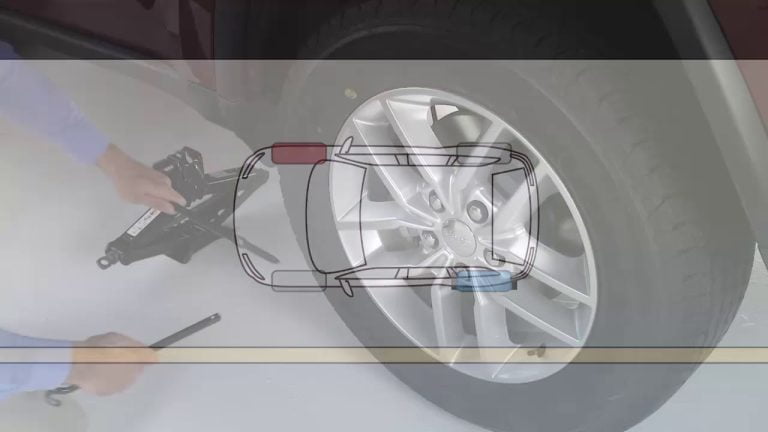
Get the vehicle on a lift or use jack stands safely. Remove each wheel and inspect the wheel speed sensor (a small cylindrical component near the brake rotor). Look for dirt buildup, corrosion, or loose connectors. Clean sensors with a soft brush. Reconnect any loose connectors. Retest.
Step 4: Test the Brake Switch
Have someone observe the brake lights while you press the pedal. If they don’t illuminate, suspect the brake switch. Locate the switch under the dashboard near the brake pedal (see a flashlight). The connector should be firmly seated.
Step 5: Scan for Fault Codes
Invest in a basic OBD-II scanner (AutoZone, Advance Auto Parts, or Amazon—$25–60). Connect it to the diagnostic port under the steering column. The codes pinpoint the problem. Common codes:
- C0035 or similar wheel speed sensor codes: Replace that specific wheel’s sensor.
- Steering angle sensor codes: Professional recalibration is usually needed.
- P0571 (brake switch): Replace brake switch.
- Multiple sensor codes with intermittent signals: Likely wiring/connector issue.
When to Visit a Mechanic
- Scan codes clearly identify a failed component (wheel speed sensor, brake switch).
- Multiple sensor codes with no obvious cause (likely wiring issue requiring diagnostic expertise).
- Steering angle sensor reset doesn’t clear the light (may require professional calibration).
- Uncomfortable performing repairs yourself.
Cost Summary for 2006 Grand Cherokee
| Repair | DIY Cost | Shop Cost |
|---|---|---|
| Wheel speed sensor | $25–60 | $150–200 |
| Steering angle reset | Free | $100–150 (if professional needed) |
| Brake switch | $30–50 | $120–150 |
| Tire pressure adjustment | Free | N/A |
| Diagnostic scan | $25–60 (one-time) | $100–150 (included in repair) |
Prevention Tips
After you’ve fixed the light, keep it from returning:
- Rotate tires every 5,000 miles to wear evenly.
- Maintain consistent tire pressure monthly.
- Avoid harsh pothole impacts when possible.
- Keep brake fluid topped up and replace every 2–3 years.
- Address suspension work (alignment, strut replacement) carefully—always recalibrate the steering angle sensor afterward.
Final Thoughts
The ESP BAS light on your 2006 Grand Cherokee is almost always a sensor or electrical signal issue, not a catastrophic system failure. Ninety percent of the time, you’re looking at a dirty wheel speed sensor or a steering angle sensor needing recalibration. Both are fixable without major expense.
Start with the free diagnostics—tire pressure, steering angle reset, visual inspection—then escalate to professional help if needed. You’ll likely resolve the problem for under $250, and often for free with the manual steering angle sensor reset.