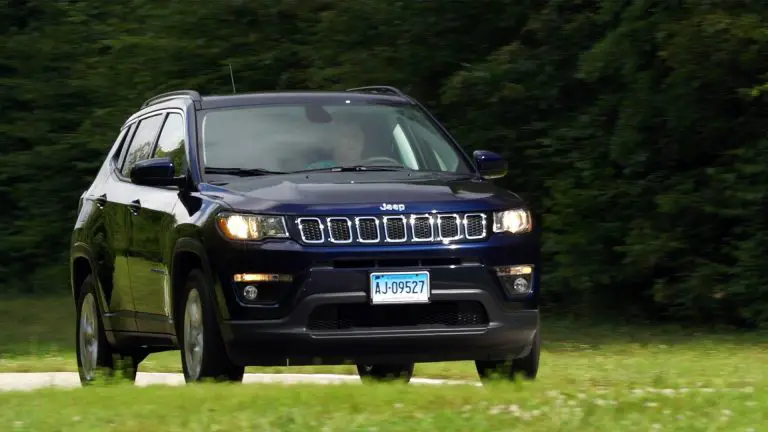
Jeep Compass Coolant Temp High – What It Means & What to Do Immediately

When your Jeep Compass dashboard displays “coolant temp high” or “coolant temperature too high,” it signals that your engine’s cooling system is struggling to maintain safe operating temperatures.
This warning demands immediate attention to prevent potentially catastrophic engine damage, though understanding the difference between a genuine overheat and a sensor-related alert can save you unnecessary panic and expense.
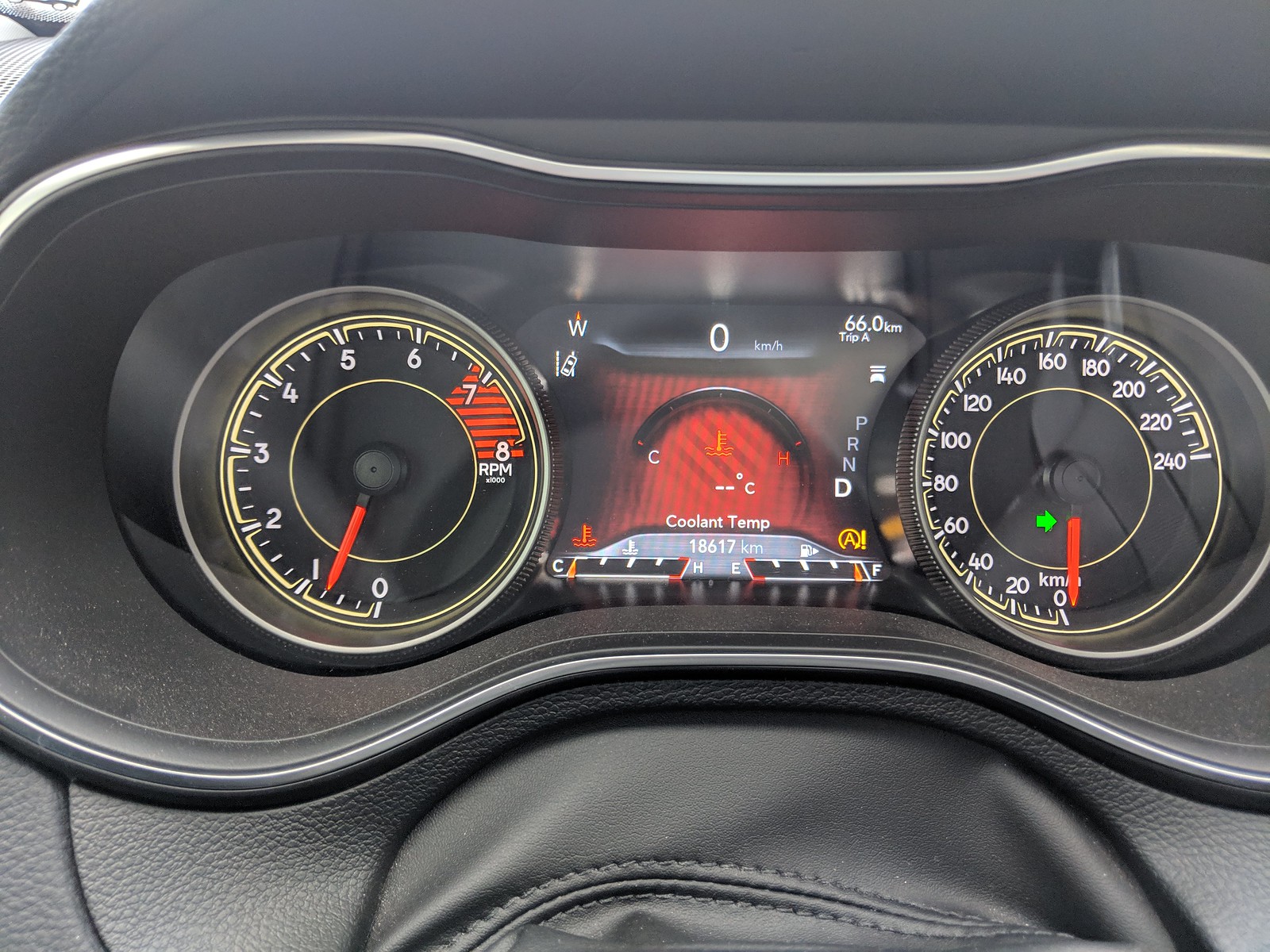
credit: www.jeepcherokeeclub.com
What “Coolant Temp High” on Your Jeep Compass Means
The “coolant temp high” message indicates your Compass has detected elevated coolant temperature beyond the normal operating range. Modern Jeep Compass models use a sophisticated engine management system that monitors coolant temperature continuously through sensors positioned throughout the cooling circuit. Normal operating temperature for the Jeep Compass sits around 190°F to 210°F (88°C to 99°C), with the cooling fans typically engaging around 225°F to prevent overheating.
When the system detects temperatures approaching or exceeding safe thresholds, it triggers the dashboard warning. In some 2019–2020 Jeep Compass models, this message appeared alongside unexpected engine shutdowns even when the engine wasn’t technically overheated—a phenomenon that triggered an NHTSA investigation examining 15 owner complaints about premature warnings and power loss.
The investigation concluded in 2023 without mandating a recall, determining the failure rate was too low to warrant manufacturer action, though affected owners continue reporting sporadic incidents.
Normal Operating Temperature vs Dangerous Ranges
Your Jeep Compass cooling system maintains optimal performance between 190°F and 210°F. Temperatures climbing to 220°F–230°F trigger the cooling fans as a preventive measure. Once the gauge or digital display exceeds 230°F–240°F, you’ve entered the danger zone where immediate action becomes critical. Sustained operation above 250°F risks warping cylinder heads, blowing head gaskets, or cracking engine blocks—repairs that can exceed $3,000–$5,000.
Common Causes of High Coolant Temperature in a Jeep Compass
Low or contaminated coolant ranks as the most frequent culprit behind Jeep Compass overheating issues. When coolant levels drop due to leaks or evaporation, the remaining fluid cannot absorb and dissipate engine heat effectively. Air pockets trapped in the cooling system after improper coolant fills create hot spots that trigger temperature warnings even when the overall coolant volume appears adequate.
Thermostat failure occurs when the valve mechanism sticks in the closed position or opens too late in the temperature cycle. A stuck-closed thermostat prevents coolant from circulating through the radiator, causing rapid temperature spikes, particularly noticeable during highway driving or prolonged idling. Most Compass models use wax-pellet thermostats that fail after 60,000–80,000 miles.
Water pump issues develop gradually as internal impeller blades corrode or the pump bearing wears. A failing water pump reduces coolant circulation velocity, compromising the system’s ability to transfer heat from the engine block to the radiator. Early symptoms include slight temperature fluctuations during acceleration or climbing grades.
Radiator problems manifest as external clogs from road debris, bent cooling fins blocking airflow, or internal corrosion restricting coolant passages. The Jeep Compass radiator sits low and forward, making it vulnerable to impact damage from rocks and road debris. Failed electric cooling fans—either from motor burnout or relay failures—eliminate the forced airflow needed when the vehicle sits stationary or travels at low speeds.
Faulty engine coolant temperature sensors occasionally report incorrect readings to the engine control unit, triggering warnings when actual coolant temperature remains normal. This sensor, typically mounted near the thermostat housing on the Compass 2.4L engine, can develop electrical faults or internal corrosion affecting accuracy.
Symptoms to Watch For
Dashboard warnings represent the most obvious symptom, with “coolant temp high” or “coolant temperature too high” messages appearing in the driver information center. Some 2019–2020 Compass owners reported their vehicles entering limp mode or shutting down completely when the warning appeared, requiring restart attempts after brief cooling periods. The NHTSA investigation documented these abrupt shutdowns occurring primarily in traffic situations where engine load and ambient temperatures peaked simultaneously.
Rising temperature gauge readings during idling or stop-and-go traffic signal, cooling fan, or airflow issues. Your temperature display should remain relatively stable; a climbing needle or increasing digital readout indicates the cooling system cannot dissipate heat faster than the engine generates it.
Visible steam rising from the hood area, sweet-smelling coolant odor, or puddles of bright green, orange, or pink fluid beneath your parked Compass indicate active coolant leaks. Steam typically appears when coolant contacts hot engine surfaces after escaping through compromised hoses, a cracked radiator, or a blown head gasket.
When the Warning Appears But the Engine Isn’t Visibly Overheating
Some Compass owners experience intermittent “coolant temp high” messages without accompanying steam, smell, or genuine overheating symptoms. This discrepancy often points to faulty coolant temperature sensors providing erroneous readings to the powertrain control module. The 2019–2020 investigation revealed that some vehicles displayed warnings and entered protective shutdown mode despite coolant temperatures measuring within normal ranges during post-event diagnostics.
What to Do If the Jeep Compass Shows Coolant Temp High
Pull over safely as soon as traffic conditions permit—continuing to drive risks catastrophic engine damage that can total your vehicle’s powertrain. Turn off the air conditioning immediately, as the AC system adds significant heat load to the cooling circuit through the condenser positioned in front of the radiator.
Turn the heater to maximum temperature and fan speed to pull heat from the engine coolant into the cabin. While uncomfortable for occupants, this simple action effectively increases your cooling system’s heat dissipation capacity by 15–20%. Let the engine idle in park or neutral rather than shutting it off immediately; idling maintains coolant circulation while allowing the radiator and heater core to work.
After idling for 3–5 minutes with the heater running, if the temperature gauge shows downward movement, you can cautiously continue driving while monitoring the gauge constantly. If temperatures continue climbing or plateau above 230°F, shut off the engine and call for a tow.
Never remove the radiator cap or coolant reservoir cap while the engine runs hot—pressurized coolant can erupt violently, causing severe burns. Wait at least 30 minutes after shutdown before carefully checking coolant levels in the reservoir.
If your coolant reservoir shows low fluid levels once the engine cools, add the manufacturer-specified coolant type (typically OAT—Organic Acid Technology—formula for 2017+ Compass models) mixed 50:50 with distilled water. Top off the “cold fill” line marked on the reservoir.
If you’ve lost more than a quart of coolant or the warning recurs after topping off, arrange for professional diagnosis rather than attempting to limp home.
Owner-Level Troubleshooting Steps
Begin with a thorough visual inspection of all cooling system components accessible without tools. Check radiator hoses at both ends for splits, bulges, or seepage—hoses should feel firm when cold, not mushy or rock-hard. Inspect the radiator front surface for bent fins, mud, or debris accumulation blocking airflow. Check beneath the vehicle for fresh coolant drips or stains on the pavement after the car has sat overnight.
Monitor cooling fan operation by letting the engine reach operating temperature while parked. The electric cooling fan behind the radiator should audibly engage when the temperature gauge reads around 225°F. If you hear no fan activation or see the temperature continuing to climb without fan engagement, suspect a failed fan motor, relay, or temperature switch.
For recurring temperature warnings without obvious coolant loss or visible steam, consider thermostat or coolant temperature sensor replacement as likely culprits. The thermostat costs $20–$40 and requires moderate DIY skill to replace, while the coolant temperature sensor runs $30–$60. Both components commonly fail after 60,000–100,000 miles and can cause identical symptoms.
When It’s a 2019–2020 “Coolant Temp Too High” Investigation Case
Between 2019 and 2022, NHTSA received 15 complaints about 2019–2020 Jeep Compass vehicles displaying “coolant temperature too high” warnings followed by unexpected engine shutdowns.
Affected owners reported their Compass would suddenly lose power while driving, display the temperature warning, and require restart attempts after several minutes. Investigation findings indicated these events occurred despite coolant temperatures measuring within normal ranges during post-incident testing.
NHTSA opened preliminary evaluation PE22-013 in December 2022, examining approximately 150,000 potentially affected Compass models equipped with the 2.4L Tigershark engine. The investigation closed in December 2023 without mandating a recall, citing low complaint rates relative to the population and the ability to restart vehicles after brief cooling periods. However, owner forums and complaint databases continue documenting similar experiences through 2024 and 2025.
If you own a 2019–2020 Compass experiencing intermittent “coolant temp too high” warnings with shutdowns, contact your Jeep dealer to check for technical service bulletins addressing this specific symptom pattern. Document each occurrence with date, time, driving conditions, and outside temperature—this information strengthens any potential lemon law claim if the issue proves persistent and irreparable.
Preventing Future High Coolant Temperature Issues
Perform coolant flushes according to the manufacturer’s maintenance schedule—typically every 5 years or 100,000 miles for modern OAT coolant formulations. Old coolant loses its corrosion inhibitors and heat transfer efficiency, gradually degrading cooling system performance. Always use the coolant type specified in your owner’s manual, as mixing incompatible formulations can create gel deposits that clog radiator tubes and heater cores.
Clean the radiator exterior surfaces annually using a garden hose spray from behind the radiator outward, pushing debris forward and away from the cooling fins. This simple maintenance prevents the gradual airflow restriction that occurs as dirt, bugs, and plant material accumulate between the AC condenser and radiator. Ensure cooling fan operation remains consistent—fans that cycle on and off rapidly or fail to engage signal impending electrical failures.
Pay attention to early warning signs like slightly elevated temperatures during idle, more frequent fan cycling, or a minor coolant smell after parking. These subtle indicators often precede major cooling system failures by several weeks, providing an opportunity for preventive repairs rather than roadside emergencies.
When to See a Mechanic (or Lawyer)
Schedule a professional diagnosis immediately if you experience repeated “coolant temp high” warnings despite topping off coolant levels, confirmed overheating with coolant loss but no visible external leaks, white smoke from the exhaust pipe, or milky brown residue on the oil fill cap. These symptoms suggest head gasket failure or cracked cylinder head—serious conditions requiring $2,000–$5,000 repairs.
Coolant disappearing without visible leaks indicates internal consumption through a blown head gasket or cracked block. The engine burns the coolant during combustion, often producing sweet-smelling white exhaust smoke. Oil that looks like a chocolate milkshake signals coolant contaminating the oil system, requiring immediate engine shutdown to prevent catastrophic bearing damage.
For 2019–2020 Compass owners experiencing persistent cooling system warnings that dealers cannot resolve through repairs or parts replacement, explore lemon law protection available in your state. Most states’ lemon laws cover vehicles within the first 2–3 years or 24,000–36,000 miles, providing remedies including manufacturer repurchase or replacement when defects substantially impair use, value, or safety after reasonable repair attempts. Document every dealer visit, repair attempt, and occurrence to establish the pattern required for lemon law claims.
Consider consulting a lemon law attorney if your Compass has undergone three or more repair attempts for the same cooling system issue or has been out of service for 30+ cumulative days within the warranty period. Most lemon law attorneys work on contingency, meaning you pay only if they successfully recover compensation from the manufacturer.