How Much Trunk Space in a Jeep Wrangler? Full Specs by Model

When shopping for a Jeep Wrangler, one of the most common questions buyers ask is about cargo capacity. Whether you’re planning weekend camping trips or need daily hauling space, understanding the trunk space in your Wrangler is crucial for making an informed decision.
Jeep Wrangler Trunk Space Overview
The Jeep Wrangler offers varying cargo capacities depending on the model configuration you choose. Two-door Wrangler models typically provide 12-17 cubic feet of trunk space behind the rear seats, while four-door Unlimited models offer 31-72 cubic feet with seats folded down.
Several factors affect the available cargo space in your Wrangler:
- Body style: 2-door vs 4-door Unlimited models
- Top configuration: Hardtop or soft top installation
- Seat arrangement: Seats up, folded, or removed entirely
- Model generation: Current JL series vs older JK models
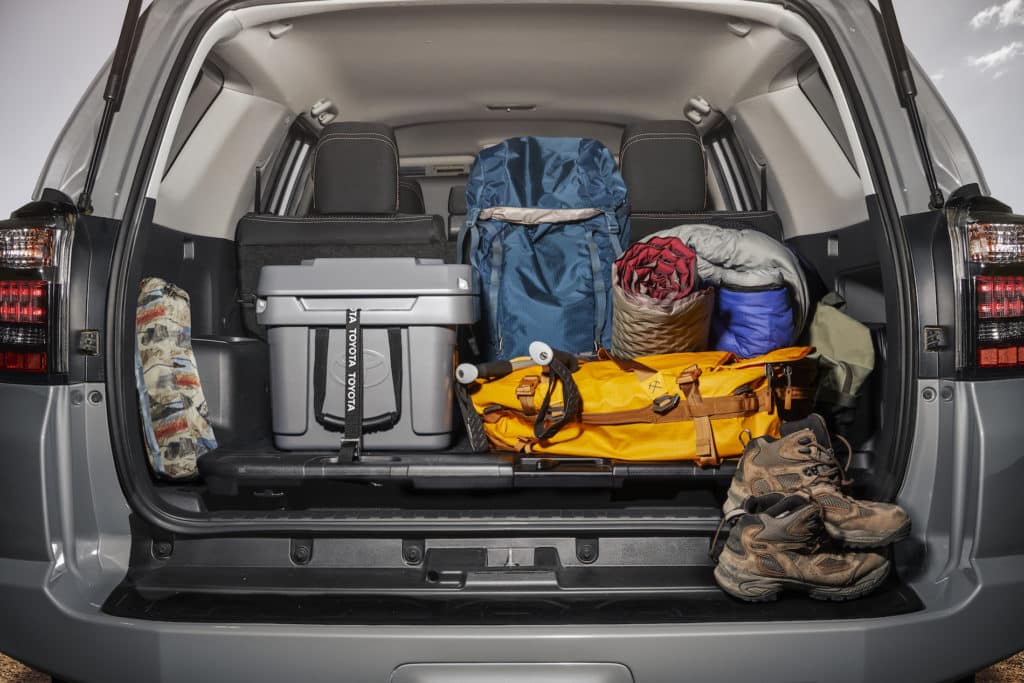
Compared to competitors like the Toyota 4Runner, the Wrangler prioritizes off-road capability over maximum cargo volume, but still delivers respectable storage capacity for its class. The Edmunds Wrangler cargo review confirms these measurements align with SAE industry standards.
Trunk Space by Wrangler Model and Year
Understanding the specific cargo measurements for each Wrangler variant helps you choose the right model for your needs. Here’s a comprehensive breakdown:
2020+ JL Series (Current Generation)
2-Door Wrangler:
- Seats up: 12.9 cubic feet
- Seats folded: 31.7 cubic feet
4-Door Unlimited:
- Seats up: 31.7 cubic feet
- Seats folded: 72.4 cubic feet
2007-2018 JK Series (Previous Generation)
2-Door Wrangler:
- Seats up: 17 cubic feet
- Seats folded: 55 cubic feet
4-Door Unlimited:
- Seats up: 31 cubic feet
- Seats folded: 70 cubic feet
The measurements follow Society of Automotive Engineers (SAE) standards, measuring from the rear seats to the tailgate with cargo loaded to the window line. These official Jeep Wrangler specs represent maximum capacity under ideal conditions.
Interestingly, the newer JL 2-door actually offers less cargo space than the previous JK generation when seats are up, trading some storage for improved interior comfort and technology features. However, the 4-door models maintain nearly identical capacity across generations.
Looking ahead, the 2026 Jeep Wrangler release is expected to maintain similar cargo dimensions while potentially adding hybrid powertrain options that shouldn’t significantly impact trunk space.
Maximizing Jeep Wrangler Cargo Space
The Wrangler’s modular design offers several ways to optimize your cargo capacity beyond the factory specifications:
Seat Configuration Options
The rear seats fold completely flat in most Wrangler models, creating a level loading floor from the tailgate to the front seats. For maximum space, the rear seats can be fully removed in many configurations, though this requires some mechanical aptitude.
Popular Cargo Accessories
- Cargo liners: Protect the interior while maximizing usable space
- Roof racks: Add external storage without reducing interior capacity
- Tailgate tables: Provide organization for gear access
- Cargo nets and organizers: Keep items secure during off-road adventures
Real-World Capacity Tests
In practical terms, a 4-door Wrangler Unlimited can typically accommodate:
- Two full-size mountain bikes with front wheels removed
- A large cooler plus camping gear for four people
- Multiple suitcases for extended road trips
The boxy interior shape maximizes usable space compared to sloped-back SUVs, making it easier to load bulky items. This practical advantage often outweighs the raw cubic footage numbers.
For Wrangler owners planning modifications, consider how best Jeep Wrangler lift kits might affect your loading height and cargo accessibility, especially for everyday use.
Wrangler vs Competitors: Trunk Space Comparison
How does Wrangler’s cargo capacity stack up against other off-road focused vehicles?
| Vehicle | Seats Up | Seats Folded |
|---|---|---|
| Jeep Wrangler 4-door | 31.7 cu ft | 72.4 cu ft |
| Ford Bronco 4-door | 35.6 cu ft | 77.6 cu ft |
| Toyota 4Runner | 47.2 cu ft | 89.7 cu ft |
| Chevy Tahoe | 25.5 cu ft | 94.7 cu ft |
Wrangler Advantages:
- Superior folded capacity compared to many mid-size SUVs
- Removable doors and roof for oversized cargo
- Flat loading floor when seats are down
- Wide tailgate opening for easy loading
Wrangler Limitations:
- Smaller seat-up capacity than some competitors
- Less overall volume than full-size SUVs
- Spare tire location can limit rear access in some configurations
According to Car and Driver comparison tests, the Wrangler beats the Ford Bronco in seats-up cargo volume by approximately 15%, despite the Bronco’s larger overall dimensions.
The Wrangler’s cargo design prioritizes off-road utility over daily hauling convenience. Unlike family SUVs optimized for grocery runs and sports equipment, the Wrangler excels at carrying outdoor gear, recovery equipment, and camping supplies where durability matters more than maximum volume.
For owners dealing with other Jeep maintenance concerns, resources like guides on Jeep troubleshooting can help keep your vehicle running smoothly for all your adventures.
The Jeep Wrangler’s trunk space represents a carefully balanced compromise between off-road capability, interior comfort, and practical cargo capacity. While it may not offer the maximum cubic footage of larger SUVs, its flexible, durable design makes every available inch count for the adventures that matter most to Wrangler owners.