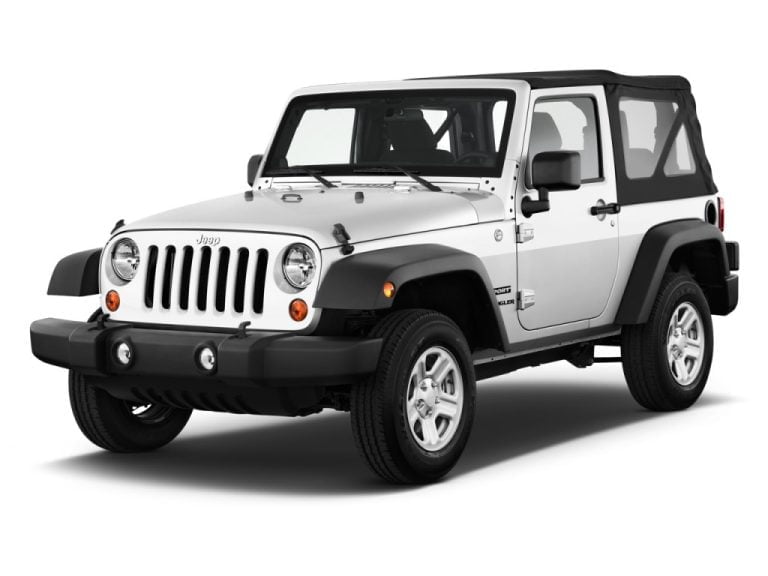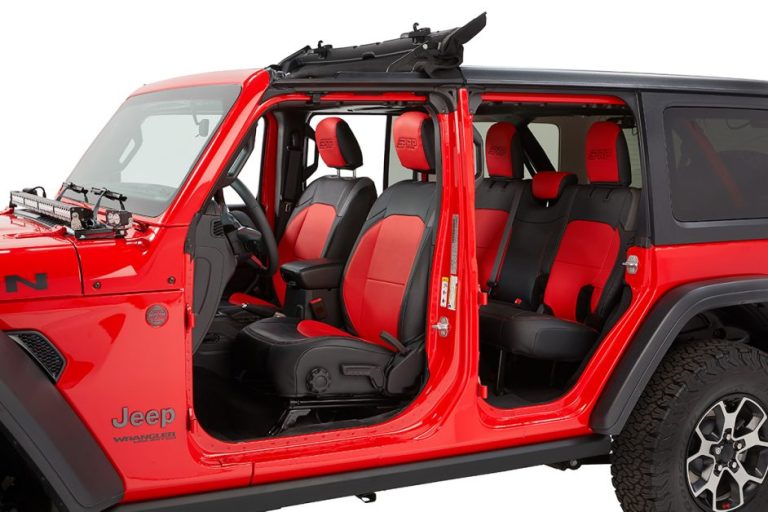
How to Open the Back of a Jeep Wrangler Soft Top: Step-by-Step Guide (All Models)

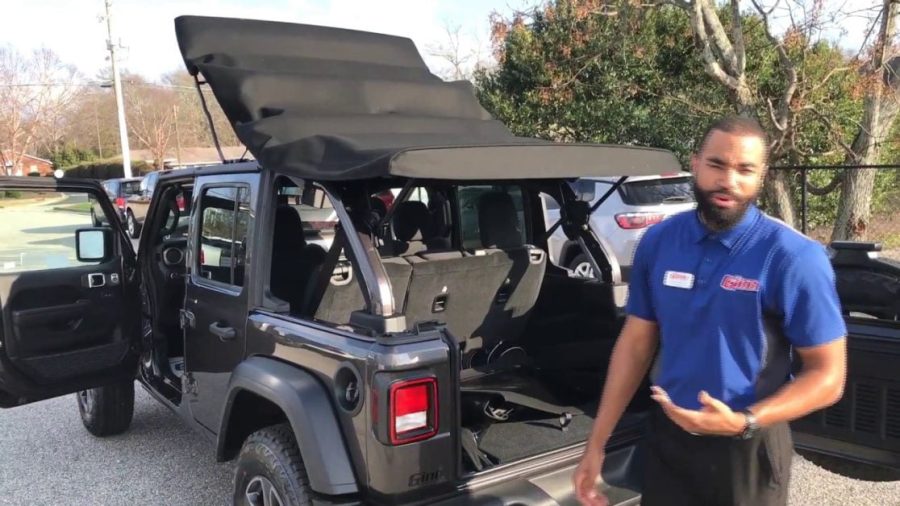
Opening the back of your Jeep Wrangler’s soft top transforms your ride from an enclosed vehicle to an open-air adventure machine. Whether you’re preparing for off-road trails, beach cruising, or just want to enjoy fresh air, knowing how to properly access and fold your rear soft top panel is essential for every Wrangler owner.
This comprehensive guide covers all Wrangler models (TJ, JK, and JL) and provides detailed instructions to safely open your soft top’s rear section without damaging the expensive fabric or hardware. With over 70% of soft top issues stemming from zipper failures according to WranglerForum user surveys, following proper techniques is crucial for maintaining your investment.
What You’ll Need: Tools and Preparation
Before starting the process, gather these essential items and prepare your workspace:
Required Tools:
- Needle-nose pliers (for stubborn zippers)
- Small flathead screwdriver
- Zipper lubricant or bar soap
- Clean microfiber cloth
Safety Equipment:
- Work gloves to protect hands from sharp edges
- Safety glasses when working overhead
Model-Specific Considerations:
- TJ Wranglers (1997-2006): Feature simpler manual zipper systems with fewer tension points
- JK Wranglers (2007-2018): Include Freedom Panel integrations that may affect rear access
- JL Wranglers (2018+): Equipped with 20% stronger tension systems compared to JK models, requiring slightly more force to release
Preparation Steps:
- Park on level ground away from overhanging branches or obstacles
- Turn off the engine and engage the parking brake
- Ensure adequate overhead clearance (at least 8 feet)
- Check weather conditions – warm temperatures make the process easier as vinyl becomes more pliable
For official specifications and model-year details, consult your official Jeep Wrangler manual before beginning.
Step 1: Locate and Unzip the Rear Window
The rear window zipper system is your primary access point for opening the back panel. This step requires patience and proper technique to avoid damage.
Finding the Zipper Pulls:
Start by locating the zipper pulls on both sides of the rear window. These are typically positioned at the bottom corners of the window and may have small fabric tabs or metal pulls for easy gripping.
Proper Unzipping Technique:
- Begin with one side, grasping the zipper pull firmly between thumb and forefinger
- Apply gentle upward pressure while slowly pulling the zipper along its track
- If the zipper feels stuck, stop immediately and apply a small amount of zipper lubricant or rub bar soap along the teeth
- Work the zipper back and forth gently until it moves freely
- Complete the first side before moving to the opposite side
Rolling the Window:
Once both sides are unzipped, carefully roll the rear window down from the top. The vinyl should roll naturally without forcing or stretching. Many soft tops include small clips or straps to secure the rolled window – use these to prevent the window from unrolling while you work on the side panels.
Common Pitfalls to Avoid:
- Never force a stuck zipper, as this can cause the teeth to separate or the fabric to tear
- Don’t pull zippers at extreme angles, which can cause binding
- Avoid working with dirty zippers that may have sand or debris in the tracks
For additional troubleshooting tips, reference this detailed rear zipper guide from experienced Wrangler owners.
Step 2: Release the Tension and Side Flaps
With the rear window secured, focus on releasing the various attachment points that hold the back panel in place. This step varies significantly between model years and requires a systematic approach.
Identifying Attachment Points:
Modern Wrangler soft tops use multiple securing methods:
- Snap fasteners along the side rails
- Velcro strips on door frames
- Tension cords or bungee systems
- Quarter panel snaps
Release Sequence:
- Start with side snaps: Beginning at the rear corner, work forward along each side rail, pressing down on snap centers while pulling the fabric away from the mounting points
- Unfasten Velcro connections: These are typically found where the soft top meets the door frames – pull firmly but steadily to separate
- Locate tension cords: These may be elastic bungees or adjustable straps running along the vehicle’s sides or rear crossbar
- Work from bottom to top: This maintains better control of the fabric as you release tension points
Model-Specific Variations:
- TJ models typically have simpler snap arrangements with fewer tension points
- JK Wranglers may include integrated mounting points that work with removable Freedom Panels
- JL models feature reinforced attachment systems that require more deliberate pressure to release
Critical Safety Note:
Tension systems are under considerable stress when closed. Release them gradually to prevent sudden fabric movement that could cause injury or tear the material. If you encounter resistance, double-check that all attachment points have been properly released before applying more force.
The key is patience – rushing this step causes the majority of soft top damage reported in owner forums.
Step 3: Fold and Stow the Back Panel Securely
Proper folding technique protects your soft top investment and ensures easy reinstallation. The goal is to create a compact, secure package that won’t interfere with vehicle operation or sustain weather damage.
Accordion Folding Method:
- Start at the rear of the vehicle with the loose back panel
- Create your first fold by bringing the rear edge forward approximately 18-24 inches
- Make subsequent folds of similar width, working toward the front of the vehicle
- Keep folds parallel and aligned to prevent stress points in the fabric
Storage Options:
- Cargo area placement: Fold the panel and secure it behind the rear seats using built-in storage straps if available
- Front mounting: Some owners prefer folding the panel forward and securing it to the front crossbar
- Removal option: The panel can be completely removed and stored separately, though this requires disconnecting additional mounting points
Securing the Folded Panel:
Most Wranglers include storage straps or clips designed specifically for holding the folded soft top. If your vehicle lacks these:
- Use bungee cords with protective sleeves to prevent scratching
- Avoid over-tightening, which can create permanent creases
- Ensure no metal components contact the fabric directly
Weather Protection:
When driving with the back panel open:
- Interior components will be exposed to weather – remove or cover sensitive items
- Expect increased wind noise and air circulation
- Monitor weather forecasts and be prepared to close quickly if conditions change
For a visual demonstration of this folding process, watch full video demo showing proper technique.
Reversal Process:
Closing follows the reverse order: unfold the panel, reconnect all tension points and snaps, then zip the rear window. Take time to ensure proper alignment before fastening to prevent binding or misalignment issues.
Model-Specific Variations (TJ, JK, JL Wranglers)
Understanding your specific Wrangler generation ensures you’re using the correct technique and expectations for your soft top system. Each generation introduced improvements and changes that affect the opening process.
TJ Wranglers (1997-2006):
The TJ generation featured the most straightforward soft top design:
- Zipper systems: Simple YKK zippers with fewer teeth, making them easier to operate but potentially less durable
- Attachment points: Basic snap-and-strap system with minimal tension components
- Fabric weight: Lighter vinyl that’s easier to manipulate but may show wear faster
- Special considerations: Some early TJ models have different snap spacing – count attachment points before starting
JK Wranglers (2007-2018):
JK models introduced significant improvements:
- Freedom Panel integration: The removable hard top panels affect soft top mounting points in some configurations
- Enhanced durability: Heavier fabric with reinforced stress points, requiring more deliberate handling
- Improved hardware: Higher-quality snaps and zippers, but with tighter tolerances that demand proper lubrication
- Four-door considerations: Unlimited models have longer soft tops with additional attachment points mid-vehicle
JL Wranglers (2018-Present):
The latest generation offers the most sophisticated system:
- Advanced tension systems: 20% stronger components compared to JK models, based on Jeep specifications and owner comparisons
- Sky One-Touch: Some JL models feature power-assisted soft top operation (premium trim levels)
- Improved sealing: Better weatherproofing requires more precise alignment during closure
- Updated hardware: New snap designs that may require different pressure or technique
Quick Reference for Your Model:
To identify your Wrangler generation, check the VIN:
- TJ: VINs starting with 1J4FA… or 1J4FX…
- JK: VINs starting with 1C4BJ… or 1C4HJ…
- JL: VINs starting with 1C4HJ… (2018+) or 1C4GJ…
For generation-specific tips and user photos, visit the JL Wrangler soft top removal forum where owners share model-year experiences.
Looking ahead, the 2026 Jeep Wrangler release may introduce further refinements to soft top systems based on current JL improvements.
Common Mistakes and Pro Tips for Success
Learning from experienced Wrangler owners’ mistakes can save you time, money, and frustration. Here are the most frequent errors and professional techniques for smooth operation.
Critical Mistakes to Avoid:
Dry Zipper Operation:
Never attempt to force dry or dirty zippers. Sand, salt, and debris accumulate in zipper tracks, especially after off-road adventures. Clean tracks monthly and apply appropriate lubricant – marine-grade zipper wax works excellently for outdoor exposure.
Rushing the Snap Release:
Snaps under tension can snap back forcefully when released improperly. Press down on the center while pulling the fabric away from the post – don’t just yank on the fabric. This prevents both injury and fabric tears around snap mounting points.
Ignoring Temperature Effects:
Cold weather makes vinyl stiff and more prone to cracking. Whenever possible, warm your Jeep in sunlight or a heated garage before attempting soft top operations in winter. Some owners use hair dryers on low heat to warm stubborn zippers.
Professional Tips for Success:
Seasonal Preparation:
- Spring: Inspect all hardware for winter damage, re-lubricate moving parts
- Summer: Check UV protection, clean fabric monthly to prevent mold
- Fall: Apply fabric protectant before wet weather
- Winter: Store soft tops completely dry to prevent mildew
Maintenance Integration:
Combine soft top operations with regular maintenance checks. While the top is open, inspect:
- Frame mounting points for corrosion or loosening
- Door seal alignment
- Roll bar padding condition
- Interior components for wear
Quick Operation Tips:
- Practice the process in good weather to build muscle memory
- Keep a soft top “go bag” with all necessary tools in your Jeep
- Take photos of your first successful attempt to reference snap and strap positions
- Time yourself – most experienced owners complete the process in under 10 minutes
Off-Road Considerations:
If you’re planning serious off-road adventures, consider investing in best lift kits for Jeep Wrangler modifications. These can affect soft top geometry and may require adjusted techniques for panel access.
Pro Maintenance Schedule:
- Weekly: Quick visual inspection for tears or loose hardware
- Monthly: Clean zippers and apply lubricant
- Quarterly: Deep clean fabric and inspect all mounting points
- Annually: Professional inspection if you’re unsure about wear patterns
Remember that soft top lifespan averages 5-7 years with proper care, according to Mopar maintenance guides. Following these preventive measures maximizes your investment and ensures reliable operation when you need it most.
Troubleshooting Stuck or Damaged Soft Tops
Even with proper maintenance, soft top components can fail or become difficult to operate. Knowing how to diagnose and address common problems can often save expensive professional repairs.
Stuck Zipper Solutions:
Immediate Fixes:
- Lubrication method: Apply bar soap, beeswax, or commercial zipper lubricant to both sides of the zipper track
- Gentle working: Move the zipper pull back and forth in small increments rather than forcing it
- Heat application: Use a hair dryer on low heat to warm the zipper area, making vinyl more pliable
- Cleaning technique: Remove debris with a soft brush or compressed air before attempting repairs
Advanced Zipper Repair:
If basic lubrication fails:
- Use needle-nose pliers to gently grasp the zipper pull, providing better leverage
- Check for fabric caught in zipper teeth – carefully remove with tweezers
- Inspect for bent or missing zipper teeth that may require professional replacement
- Consider zipper alignment issues that might indicate mounting point problems
Torn Fabric Repairs:
Minor Tears:
- Clean the area thoroughly and allow it to dry completely
- Apply vinyl repair adhesive according to manufacturer’s instructions
- Use matching fabric patches for larger tears (many dealers stock repair kits)
- Seal repairs with appropriate weatherproofing products
Major Damage Assessment:
Extensive tears, multiple zipper failures, or structural damage may require professional evaluation. Consider replacement when repair costs exceed 60% of the new soft top price.
When to Seek Professional Help:
- Frame mounting point damage or corrosion
- Multiple simultaneous component failures
- Persistent alignment issues after attempted repairs
- Safety-critical hardware problems (door frame attachments, roll bar connections)
Replacement Part Sources:
- OEM parts: Jeep dealerships for exact factory specifications
- Aftermarket options: Companies like Bestop, Smittybilt, and Pavement Ends offer alternatives
- Used parts: Wrangler forums often have classified sections for good-condition takeoffs
Emergency Field Repairs:
For temporary fixes during off-road adventures:
- Duct tape can temporarily seal small tears
- Zip ties can replace broken snaps temporarily
- Bungee cords can substitute for broken tension straps
- Always prioritize safety – if structural integrity is compromised, consider permanent closure until proper repairs
If you’re experiencing multiple issues with your Jeep’s systems, our comprehensive Jeep troubleshooting guides can help address various mechanical problems.
Prevention Strategy:
Most soft top problems are preventable through regular maintenance and careful operation. Budget for periodic professional inspections – the cost is minimal compared to a complete soft top replacement.
FAQ: Jeep Wrangler Soft Top Questions
u003cstrongu003eHow long does it take to open the back of a Jeep Wrangler soft top?u003c/strongu003e
For beginners, expect 15-20 minutes for the complete process. Experienced owners typically complete the rear panel opening in 5-10 minutes. Practice reduces time significantly, and some JL models with premium features can accomplish partial opening in under 5 minutes.
u003cstrongu003eCan I drive with the back panel open?u003c/strongu003e
Yes, driving with an open rear panel is safe and legal in most jurisdictions. However, expect:u003cbru003eu003cbru003eIncreased wind noise and cabin air circulationu003cbru003ePotential for items to blow out of the cargo areau003cbru003eReduced fuel economy due to increased dragu003cbru003eWeather exposure for interior componentsu003cbru003eu003cbru003eSecure all loose items and monitor weather conditions while driving with an open configuration.
u003cstrongu003eWhat are the best soft top cleaners and maintenance products?u003c/strongu003e
Recommended cleaning products include:u003cbru003eu003cbru003eu003cstrongu003eFabric cleanersu003c/strongu003e: 303 Fabric Guard, Chemical Guys Fabric Cleanu003cbru003eu003cstrongu003eZipper maintenanceu003c/strongu003e: Marine-grade zipper wax, bar soap for emergency useu003cbru003eu003cstrongu003eUV protectionu003c/strongu003e: 303 Aerospace Protectant for vinyl surfacesu003cbru003eu003cstrongu003eAvoidu003c/strongu003e: Harsh detergents, bleach, or petroleum-based products that can damage vinylu003cbru003eu003cbru003eClean monthly during active use seasons and apply protectants quarterly for optimal longevity.
u003cstrongu003eShould I consider converting to a hard top?u003c/strongu003e
Hard top conversion offers several advantages:u003cbru003eu003cbru003eSuperior weather sealing and insulationu003cbru003eEnhanced security for cargo and interioru003cbru003eReduced road noiseu003cbru003eLonger lifespan with minimal maintenanceu003cbru003eu003cbru003eHowever, hard tops are significantly heavier, more expensive, and require storage space when removed. Consider your primary use case – frequent top removal favors soft tops, while year-round weather protection suggests hard top benefits.
u003cstrongu003eHow do I know when my soft top needs replacement?u003c/strongu003e
Replace your soft top when you notice:u003cbru003eu003cbru003eMultiple zipper failures that resist repairu003cbru003eExtensive fabric tears or UV damageu003cbru003ePersistent leaking despite proper maintenanceu003cbru003eStructural mounting point failuresu003cbru003eCost of repairs exceeding 60% of replacement costu003cbru003eu003cbru003eMost quality soft tops last 5-7 years with proper care, though extreme climates or heavy use may reduce this timeframe.
u003cstrongu003eAre there seasonal storage considerations?u003c/strongu003e
u003cbru003eFor long-term storage (winter months in harsh climates):u003cbru003eu003cbru003eClean and completely dry all fabric componentsu003cbru003eStore in a temperature-controlled environment when possibleu003cbru003eAvoid folding in the same places repeatedly to prevent permanent creasesu003cbru003eInspect hardware for corrosion and apply appropriate protective treatmentsu003cbru003eConsider professional storage for expensive premium soft tops
u003cstrongu003eWhat’s the difference between OEM and aftermarket soft tops?u003c/strongu003e
OEM (factory) soft tops offer exact fit and finish, but at premium prices. Quality aftermarket options like Bestop or Smittybilt often provide similar durability at lower cost, sometimes with enhanced features like tinted windows or improved hardware. Research specific brand reputations and warranty coverage before choosing aftermarket alternatives.
Final Thoughts
By following this comprehensive guide, you’ll master the art of safely opening your Jeep Wrangler’s soft top rear panel while maximizing the lifespan of this significant investment. Regular practice and proper maintenance ensure years of reliable open-air driving enjoyment.