Mini Cooper Engine Oil Pressure Low: Causes, Diagnosis, and Fixes

Low oil pressure in your Mini Cooper triggers one of the most serious warning lights on your dashboard. That red oil can icon means your engine isn’t receiving adequate lubrication—and continuing to drive risks catastrophic damage costing thousands in repairs.
This guide covers every cause behind low oil pressure warnings, how to diagnose the problem correctly, and actionable solutions to protect your engine.

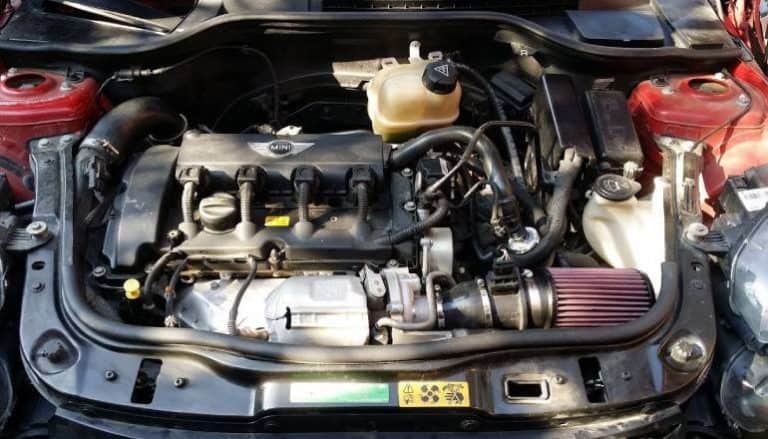
credit: reddit.com
Understanding Oil Pressure in Mini Coopers
Oil pressure indicates how effectively your engine’s lubrication system operates. The oil pump draws oil from the sump, pressurizes it, and circulates it throughout the engine. This pressurized oil creates a protective film between moving metal parts—crankshaft bearings, camshaft journals, pistons, and valve train components.
Normal oil pressure for Mini Cooper engines ranges from 25-65 PSI, depending on engine speed and temperature. At idle when warm, expect 15-25 PSI. At 3,000 RPM, pressure should reach 45-65 PSI.
When pressure drops below safe thresholds, metal-on-metal contact occurs. Friction increases dramatically, generating excessive heat. Components wear at accelerated rates. Within minutes, bearings can score, crankshafts can seize, and engines can suffer irreparable damage.
The oil pressure sensor monitors this critical parameter continuously. When pressure falls too low, it triggers the dashboard warning light and stores diagnostic codes in the engine control module.
Common Causes of Low Oil Pressure
Low Oil Level
The simplest and most common cause. Mini Coopers—especially N14 and N18 turbocharged engines—consume oil during normal operation. Some owners report adding one quart every 1,000-2,000 miles.
When oil level drops, the pump struggles to maintain pressure. During hard cornering or acceleration, remaining oil sloshes away from the pickup tube. The pump momentarily draws air instead of oil, causing pressure to plummet and the warning light to flash.
Mini dipsticks prove notoriously difficult to read. Oil collects in the dipstick tube and smears across the blade, creating false high readings. Many owners believe their oil level is adequate when it’s actually dangerously low.
Faulty Oil Pressure Sensor
The oil pressure sensor itself can fail and send incorrect signals. This creates false warnings when actual pressure remains normal. The sensor typically mounts near the oil filter housing on the driver’s side of the engine block.
Symptoms of sensor failure include intermittent warning lights that disappear after restarting, warnings that occur only during specific conditions like hot idle, and no accompanying engine noises or temperature issues.
Sensor failures cost $160-$310 for replacement including parts and labor. The part itself runs $20-$60, with 1-2 hours labor at $130-$190 per hour.
Oil Pump Failure
The oil pump circulates oil throughout the engine. When internal components wear—gears, rotors, pressure relief valves—the pump loses efficiency and can’t maintain adequate pressure.
Mini Cooper oil pumps incorporate a variable-flow solenoid controlled by the engine computer. This solenoid adjusts oil pressure based on engine load and temperature to improve fuel economy. When the solenoid fails or its wiring harness corrodes, pressure regulation fails.
A common N14/N18 issue involves oil seeping past the solenoid seal, traveling up the wiring harness, and entering the engine control module. This causes electrical faults, erratic pressure readings, and pump malfunctions.
Oil pump replacement costs £547-£1,039 in the UK or $900-$1,400 in the US. The pump itself costs $150-$350, but labor dominates the expense—removing the sump, timing cover, and associated components requires 4-6 hours.
Clogged Oil Pump Pickup Screen
The pickup screen filters debris before oil enters the pump. Over time, sludge, carbon deposits, and timing chain fragments accumulate on this screen. Restricted flow reduces pressure even with a functioning pump.
This issue frequently accompanies timing chain problems on N14 engines. When timing chain guides deteriorate, plastic fragments circulate through the oil system and collect on the pickup screen.
Cleaning requires sump removal. Mechanics report finding screens completely blocked despite owners maintaining regular oil changes.
Worn Engine Bearings
High-mileage engines develop increased clearances between bearings and rotating shafts. Oil flows through these enlarged gaps rather than maintaining pressure in the lubrication system.
Symptoms include pressure that drops progressively as the engine warms—cold starts show 30 PSI, warm idle drops to 10 PSI, and full operating temperature reads 0 PSI. This pattern indicates worn crankshaft or camshaft bearings, allowing excessive oil leakage.
Bearing replacement requires a complete engine rebuild. Costs range from $3,000-$7,000 depending on the extent.
Clogged Oil Filter
Oil filters trap contaminants as oil circulates. When filters clog, the bypass valve opens to maintain flow but pressure downstream drops significantly. The sensor detects this reduced pressure and triggers the warning light.
Mini Cooper oil filters should be replaced every 10,000 miles or annually. Using cheap filters or extending service intervals risks premature clogging.
Incorrect Oil Viscosity
Wrong oil viscosity affects pressure readings. Oil that’s too thin (low viscosity) flows freely but doesn’t maintain pressure. Oil that’s too thick (high viscosity) creates resistance that weak pumps can’t overcome.
Mini Cooper engines from 2007-2015 specify 5W-30 full synthetic. High-mileage engines over 80,000 miles can benefit from 5W-40 to compensate for increased internal clearances. Using 0W-20 or 10W-40 outside specifications causes pressure issues.
VVT Solenoid Problems
Variable Valve Timing solenoids regulate oil flow to camshaft phasers. Failed VVT solenoids can create oil pressure loss by allowing excessive oil flow through valve timing circuits rather than maintaining pressure in main lubrication passages.
Immediate Response When Warning Light Appears
Stop driving immediately when the oil pressure warning light illuminates. Continuing even short distances risks severe engine damage.
Pull over safely, turn off the engine, and wait five minutes for the oil to drain back to the sump. Check the oil level using the dipstick following the correct procedure for accurate reading.
Locate the dipstick near the front of the engine. Pull it out, wipe it completely clean with a lint-free cloth, reinsert it fully, and pull it out again. Rotate the dipstick 180 degrees to check both sides—oil collecting in the tube can create false readings on one side.
The oil level should fall between the two marks on the dipstick blade. The difference between the minimum and maximum marks represents 1.5 quarts. If oil sits below the minimum mark, add oil immediately.
If oil level appears adequate but the warning persists, do not restart the engine. Call roadside assistance or arrange towing to a repair facility. The problem likely involves the pump, sensor, or internal engine damage.
Never ignore oil pressure warnings. One Mini owner continued driving with a flickering light and suffered a cracked engine block requiring $7,500 in repairs.
Proper Diagnosis Procedures
Check Oil Level Correctly
Most Mini owners misread their dipsticks. Follow this procedure for accurate measurements:
Park on level ground. Avoid driveways with slopes or crowned parking lots. Run the engine to operating temperature, then shut it off and wait five minutes. Remove the dipstick, wipe it completely clean from tip to handle, fully reinsert it, and pull it out. Rotate it 180 degrees and check both sides. Look for where oil creates a distinct edge on the dipstick blade—this represents your true oil level.
Some dipsticks feature notches or crosshatching between the minimum and maximum marks. Oil should reach this zone. If the dipstick appears dry below the crosshatching, you’re low.
Verify With Mechanical Gauge
Oil pressure sensors fail frequently. Installing a temporary mechanical gauge confirms whether pressure issues are real or sensor-related.
Remove the sensor from the block. Thread in a mechanical oil pressure gauge. Start the engine and observe readings. Compare to specifications—15-25 PSI hot idle, 45-65 PSI at 2,500 RPM.
If mechanical gauge readings appear normal while the dashboard light illuminates, replace the sensor. If mechanical readings confirm low pressure, proceed to pump and engine diagnostics.
Scan for Diagnostic Codes
Use an OBD-II scanner capable of reading BMW/Mini-specific codes. Generic code readers miss manufacturer-specific fault codes.
Common oil pressure codes include:
- P0520: Oil pressure sensor circuit malfunction
- P0521: Oil pressure sensor range/performance issue
- P0522: Oil pressure sensor circuit low voltage
- P0523: Oil pressure sensor circuit high voltage
- 3401: Oil pressure control valve activation (solenoid circuit fault)
Code 3401 specifically indicates problems with the oil pump’s variable-flow solenoid—a common N14/N18 issue requiring pump replacement.
Inspect for Leaks
Check under the vehicle for fresh oil puddles. Inspect the oil filter housing, valve cover gasket, turbo oil feed lines, and oil pan for seepage. Even small leaks become significant when they reduce the oil level below the safe operating capacity.
Listen for Engine Noises
Low oil pressure causes distinct sounds. Hydraulic lifters tick or clatter when the oil supply drops. Bearing knock produces a deeper metallic knocking that increases with RPM. Timing chain rattle intensifies without adequate oil pressure maintaining the tensioner function.
Run the engine at idle and listen carefully. Rev to 2,000 RPM and note any changes. Unusual noises combined with low-pressure warnings indicate serious internal damage.
Repair Solutions and Costs
Adding Oil
If diagnostics confirm low oil level as the only issue, add the appropriate oil to restore proper level. Mini Coopers require full synthetic 5W-30 meeting BMW LL-01 specifications.
Quality options include Liqui Moly Synthoil, Motul 8100, Castrol Edge, or BMW-branded oil. Avoid cheap synthetics or synthetic blends—these engines demand premium lubricants.
Add oil in half-quart increments, checking the level between additions. Never overfill above the maximum mark—excess oil creates pressure in the crankcase, forces oil past seals, and can damage catalytic converters.
Sensor Replacement
Replacing a failed sensor costs $160-$310. Independent shops charge less than dealerships—expect $180-$240 at quality independents versus $280-$350 at Mini dealers.
The job takes 1-2 hours, depending on access. Some models require removing intake components to reach the sensor.
Parts cost $20-$60 for quality aftermarket sensors or $80-$120 for OEM units. Aftermarket sensors from reputable brands like Bosch or Hella perform identically to OEM at a lower cost.
Oil Pump Replacement
Oil pump replacement represents a major service costing $900-$1,400 in the US or £547-£1,039 in the UK. Labor consumes most expenses—removing the sump, oil pickup, timing cover, and associated components requires 4-6 hours at $150-$200 per hour.
The pump itself costs $150-$350, depending on whether you choose aftermarket or OEM. Many mechanics recommend OEM pumps given the labor involved—saving $100 on parts makes little sense when labor exceeds $800.
This repair requires sump removal, which necessitates new sump gaskets or sealant. Most mechanics apply fresh RTV silicone rather than reusing old gaskets. Allow overnight curing before refilling oil and starting the engine.
Always replace the oil pump solenoid and wiring harness during pump replacement. The corroded wiring that often causes pump failures will simply recreate the problem if not addressed.
Oil Change and Filter
If clogged filters or contaminated oil cause pressure issues, a complete oil and filter change may resolve the problem. Use quality filters—OEM, Mann, or WIX. Cheap filters risk premature clogging.
Change oil and filter every 10,000 miles maximum on N14 engines. These motors run hot and degrade oil quickly. Extended intervals invite sludging and pressure problems.
Oil changes cost $80-$150 at independent shops or $150-$250 at dealerships. DIY oil changes cost $50-$80 for supplies.
Engine Rebuild
Worn bearings, damaged crankshafts, or scored camshaft journals require complete engine rebuilds or replacement. Costs range from $3,000 for basic bearing replacement to $7,500 for used engine swaps or $12,000 for new engine installation.
At these repair costs, many owners total their vehicles rather than investing in repairs exceeding the car’s value.
Prevention Strategies
Check Oil Level Weekly
Mini Coopers consume oil by design. Check levels every week or every other fill-up. This simple habit prevents catastrophic failures due to low oil.
Use Quality Oil and Filters
Premium full synthetic oil and quality filters protect these high-strung turbocharged engines. The $20 difference between cheap and quality oil seems insignificant until you face a $5,000 repair bill.
Maintain Service Intervals
Change oil every 10,000 miles maximum on turbocharged models. N14 engines particularly benefit from 7,500-mile intervals to remove accumulated contaminants.
Address Timing Chain Issues Promptly
N14 engines suffer from timing chain problems that create debris clogging oil systems. If you hear rattling at cold start, address timing chain issues before fragments block your oil pickup screen.
Monitor for Leaks
Check under your Mini regularly for oil spots. Small leaks compound quickly, dropping oil level to dangerous territory before you notice.
Model-Specific Considerations
N14 Engine (2007-2010)
The N14 suffers from notorious reliability issues. Timing chain problems, bore scoring, and oil consumption plague these engines. Low oil pressure warnings on N14s frequently indicate serious internal damage requiring expensive repairs.
Check oil obsessively on N14-equipped Minis. These engines can consume a quart every 1,000 miles. Regular oil changes every 7,500 miles help maintain internal cleanliness.
N18 Engine (2011-2015)
BMW improved the N18 significantly over the N14. Timing chain reliability increased, bore scoring decreased, and overall durability improved. Low oil pressure issues on N18s are more commonly traced to sensors or solenoid problems rather than catastrophic internal damage.
The variable oil pump solenoid remains a weak point. Wiring harness corrosion causes erratic pressure readings and fault codes. Replacing the solenoid and harness during routine maintenance prevents future issues.
B38/B48 Engines (2014+)
Modern turbocharged engines show improved reliability. Low oil pressure warnings less frequently indicate major failures. Sensor issues and low oil levels dominate the causes on these newer platforms.
The Bottom Line
Low oil pressure warnings in Mini Coopers demand immediate attention. Stop driving, check the oil level accurately, and diagnose the root cause before restarting the engine.
Simple causes—low oil level, faulty sensors—cost under $300 to resolve. Complex causes—failed pumps, worn bearings—cost $1,000-$7,000 for repairs. The difference between minor inconvenience and financial catastrophe often comes down to how quickly you respond when that warning light illuminates.
Never gamble with oil pressure warnings. Your engine’s survival depends on adequate lubrication, and continuing to drive with insufficient pressure guarantees expensive damage.
Check your oil weekly. Use quality lubricants. Maintain service intervals. Address warnings immediately. These simple habits keep your Mini running for 200,000+ miles rather than suffering premature failure at 80,000.