What Is Normal Oil Pressure for a Jeep Wrangler? PSI Guide by Model

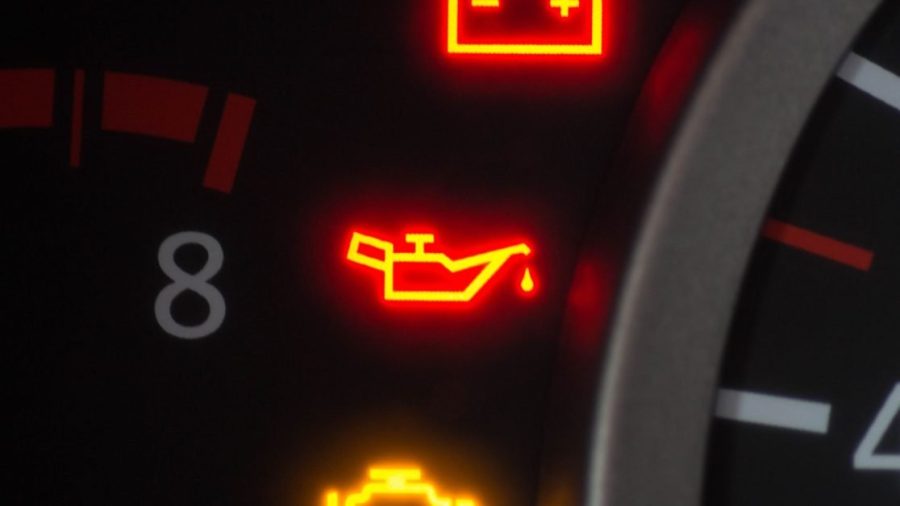
Normal oil pressure for a Jeep Wrangler follows the 10 PSI per 1,000 RPM rule as a general guideline. For the popular 4.0L TJ models, expect 30-40 PSI at idle when the engine is hot, while the 3.6L JL engines typically run around 30 PSI during normal operation and can spike to 75 PSI under high load conditions. Cold engines will show higher pressure readings that drop as the oil warms up—this is completely normal behavior.
Understanding your Wrangler’s oil pressure is crucial for engine longevity, especially given the demanding off-road conditions these vehicles often face. Different generations and engine types have varying pressure specifications, and knowing what’s normal versus what signals trouble can save you from costly engine damage. Whether you’re driving a classic TJ with the bulletproof 4.0L or a newer JL with the 3.6L Pentastar, monitoring oil pressure helps ensure your Wrangler stays reliable for years of adventures.
Normal PSI Ranges by Wrangler Engine and Conditions
TJ vs. JL Differences
The 4.0L inline-six engine found in TJ and YJ Wranglers typically to a healthy 30-40 PSI range when hot at idle. This engine is known for consistent pressure readings that follow the 10 PSI per 1,000 RPM guideline closely. Cold mornings may show readings up to 60 PSI, which gradually decrease as the thicker oil warms and thins.
The 3.6L Pentastar V6 in JL Wranglers operates differently, with normal pressure around 30 PSI during regular driving conditions. However, these engines can spike dramatically to 75 PSI during high-load situations like highway acceleration or steep climbs. Highway driving often shows steady readings of 31-32 PSI, which is perfectly normal for this engine design.
Cold versus hot conditions create the most noticeable pressure variations. Thick, cold oil creates higher initial pressure readings that can seem alarming to new owners. After 45 minutes of driving, especially in temperatures above 80°F, pressure naturally drops to normal hot operating ranges. This temperature-related drop is expected behavior, not a sign of problems.
Most Wrangler oil pressure gauges are essentially “idiot lights” that display either 40 PSI or zero, with the critical threshold being 13 PSI. When actual pressure drops below this minimum safe level, the gauge suddenly reads zero and triggers warning lights. This binary behavior often confuses owners who expect gradual gauge movement like other vehicle systems.
Signs of Low Oil Pressure and Common Causes
When to Worry: zero
When the engine is hot, check the engine lights and unusual engine noise like knocking or ticking. However, many apparent “low-pressure” situations are actually faulty sender unit problems rather than actual oil system issues. The sender unit, which transmits pressure data to your gauge, commonly fails and sends false low-pressure signals.
Testing with a mechanical gauge provides the definitive answer. Connect a mechanical gauge directly to the engine’s oil pressure port to bypass the electrical sender system. If the mechanical gauge shows above 13 PSI minimum at idle, your oil pressure is fine despite what the dashboard indicates. This simple test distinguishes between sender problems and actual low pressure.
Common causes of actual low oil pressure include a worn oil pump, clogged oil passages from sludge buildup, or severely worn engine bearings. However, these conditions typically develop gradually with high mileage. Sudden pressure drops, especially in well-maintained engines, usually point to sender unit failure or oil change timing issues.
RPM-related pressure changes help diagnose problems. Healthy engines show steady pressure at idle that rises predictably under acceleration. If pressure remains low across all RPM ranges on a mechanical gauge, internal engine problems likely exist. However, pressure that only shows problems on the dashboard gauge while running normally suggests electrical rather than mechanical issues.
How is your specific gauge type?
Learn whether your Wrangler has a true pressure gauge or the common binary “idiot light” system. True gauges show gradual changes, while idiot lights only display normal (40 PSI) or critical (zero) readings. Knowing your system prevents unnecessary panic during normal pressure variations.
Maintenance practices significantly impact oil pressure health. Use the correct oil viscosity for your engine to maintain proper pressure ranges—thicker oils increase pressure but may not flow properly when cold, while thinner oils provide better flow but lower pressure readings. Regular oil changes prevent sludge buildup that can block passages and reduce pressure.
Professional testing becomes necessary when dashboard readings seem inconsistent or concerning. A mechanical gauge test costs significantly less than engine repairs and provides definitive pressure readings. If hot idle pressure drops below 10 PSI on a mechanical gauge, inspect the sender unit first before assuming engine problems. Many Wrangler owners report that sender replacement solves apparent low-pressure issues.
Modifications and maintenance should consider the oil pressure impact. Performance modifications that increase engine load may affect pressure readings, while regular maintenance, like filter changes, ensures consistent oil flow throughout the system.
Conclusion
Normal Jeep Wrangler oil pressure ranges from 30-40 PSI at hot idle, following the 10 PSI per 1,000 RPM guideline across different engine speeds. TJ models with 4.0L engines and JL models with 3.6L Pentastar engines both maintain healthy pressure within these ranges, though JL engines may show higher spikes under load. Always verify readings with a mechanical gauge test before assuming engine problems, as sender unit failures commonly create false alarms.
Regular maintenance, proper oil viscosity, and understanding your specific gauge type help maintain optimal oil pressure for reliable Wrangler performance. Whether you’re planning upgraded tires for better traction or simply maintaining your daily driver, monitoring oil pressure ensures your Wrangler’s engine stays healthy for countless adventures ahead.