2015 Jeep Grand Cherokee Oil Type & Capacity: 3.0, 3.6, 5.7L, SRT

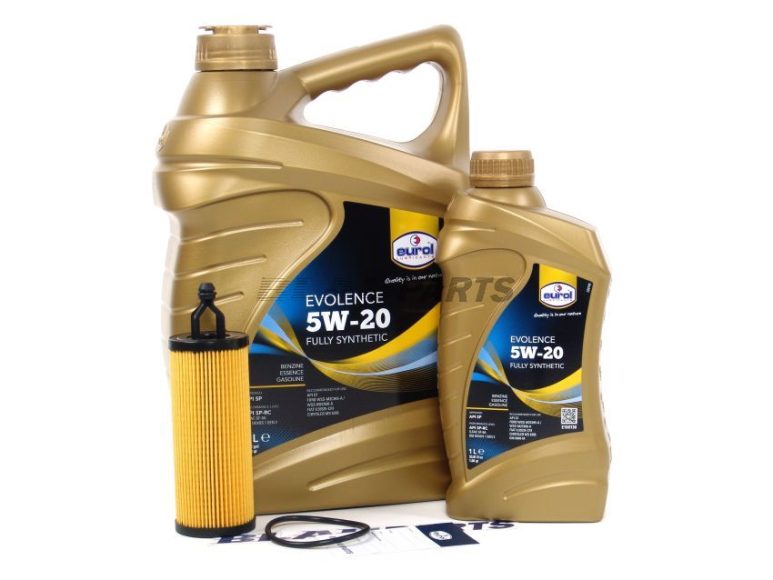
The 2015 Jeep Grand Cherokee requires specific oil types depending on your engine: 5W-20 for the 3.6L V6 and 5.7L V8, 5W-40 for the 3.0L V6 diesel, and 0W-40 for the 6.4L SRT V8. All engines require full synthetic oil to protect variable valve timing components and ensure warranty compliance.
Why Oil Type Matters for Your 2015 Jeep Grand Cherokee
Selecting the correct viscosity protects your engine during cold starts and high-temperature operation. The first number (5W, 0W) indicates cold-flow properties—lower numbers mean better flow when temperatures drop below freezing. The second number (20, 40) reflects high-temperature viscosity and film strength at operating temperatures.
Full synthetic oil resists breakdown better than conventional formulas. Your Grand Cherokee’s Multi-Displacement System (MDS) and variable valve timing (VVT) mechanisms rely on consistent oil pressure and viscosity. Conventional oil breaks down faster, causing sludge buildup that damages these precision components.
Using the wrong viscosity risks seal wear and excessive oil consumption. Too-thin oil (using 5W-20 when 5W-40 is required) reduces high-temperature protection in diesel engines. Too-thick oil (using 5W-40 instead of 5W-20) increases cold-start wear and reduces fuel economy by 2-3%. Both scenarios can void your powertrain warranty if Chrysler traces engine damage to improper oil choice.
2015 Jeep Grand Cherokee Engines and Oil Types
3.0L V6 Diesel Oil Requirements
The 3.0L EcoDiesel requires 5W-40 full synthetic oil meeting ACEA C3 or API CJ-4 specifications. This engine holds approximately 8.1 quarts with the filter. Diesel engines generate more soot and operate at higher compression ratios than gasoline engines, demanding heavier viscosity for adequate film strength. Using gasoline-engine oil (like 5W-20) in your diesel causes rapid wear on injection pumps and turbocharger bearings.
3.6L V6 Gasoline Oil Specs
The 3.6L Pentastar V6 takes 5W-20 full synthetic oil, with a capacity of around 5.9 quarts, including filter. This is the most common engine in 2015 Grand Cherokees. The 5W-20 viscosity balances fuel efficiency with protection for the dual overhead cam design. Some owner’s manuals list 5W-30 as acceptable in extreme heat, but 5W-20 remains the primary recommendation.
5.7L V8 Hemi Requirements
The 5.7L V8 uses 5W-20 full synthetic oil, holding approximately 7 quarts with a filter. The Hemi’s MDS cylinder deactivation system requires precise oil viscosity to function correctly. Thicker oils interfere with the solenoids that activate and deactivate cylinders, triggering check-engine lights and reducing fuel economy.
6.4L SRT V8 High-Performance Needs
The high-performance 6.4L V8 in SRT models demands 0W-40 full synthetic oil, with a capacity of around 7 quarts. The wider viscosity range (0W vs. 5W) provides better cold-start protection during aggressive driving, while the 40-weight maintains film strength at track temperatures exceeding 250°F. Never substitute 5W-20 in an SRT engine—the lighter oil cannot handle sustained high-RPM operation.
Oil Capacity and Change Intervals
| Engine | Recommended Viscosity | Capacity (with filter) | Change Interval |
|---|---|---|---|
| 3.0L V6 Diesel | 5W-40 Full Synthetic | ~8.1 quarts | 10,000 miles / 12 months |
| 3.6L V6 Gasoline | 5W-20 Full Synthetic | ~5.9 quarts | 10,000 miles / 12 months |
| 5.7L V8 Hemi | 5W-20 Full Synthetic | ~7 quarts | 10,000 miles / 12 months |
| 6.4L SRT V8 | 0W-40 Full Synthetic | ~7 quarts | 10,000 miles / 12 months |
Jeep recommends 10,000-mile or 12-month intervals for normal driving conditions. Shorten intervals to 5,000 miles if you frequently tow heavy loads, drive in extreme heat or cold, or make many short trips under 10 miles. These conditions prevent oil from reaching optimal operating temperature, allowing moisture and fuel contamination to accumulate.
Monitor your oil level monthly between changes. The 3.6L and 5.7L engines are known for slight oil consumption after 75,000 miles—normal consumption is up to one quart per 2,000 miles. Adding oil between changes is acceptable, but if you’re adding more than one quart per change cycle, have the PCV valve and valve seals inspected.
How to Read Your Owner’s Manual and Oil Cap
Your owner’s manual lists oil specifications on pages 220-222 (approximate location in the 2015 manual). This section identifies the correct SAE viscosity grade, API service rating, and capacity for your specific engine. Cross-reference the engine code on your VIN decoder to confirm which powerplant you have.
The oil-fill cap shows a simplified viscosity requirement stamped directly on the plastic. Most 3.6L engines display “SAE 5W-20” on the cap. However, cap markings can differ from manual recommendations if Chrysler issued running changes during the model year. When discrepancies occur, follow the manual’s guidance over the cap.
Regional specifications sometimes vary between North American and European markets. Online forums often quote oil requirements from different markets or model years, creating confusion. If you purchased your Grand Cherokee used or outside the US, verify specifications using your VIN with a Chrysler dealership rather than relying on generic advice.
Synthetic Oil Specs: API, ACEA, and OEM Approvals
What API SN and ILSAC GF-6A Really Mean
API (American Petroleum Institute) ratings classify oil performance for gasoline engines. For 2015 Grand Cherokees, look for API SN or the newer SN-Plus designation. The “SN” indicates protection against oxidation, deposits, and wear for modern engines. SN-Plus adds Low-Speed Pre-Ignition (LSPI) protection for turbocharged engines—not critical for the naturally aspirated 3.6L or 5.7L, but won’t harm them.
ILSAC GF-6A is the industry standard for resource-conserving oils—these oils improve fuel economy by 1-2% compared to older formulations. GF-6A oils meet API SN-Plus requirements automatically. Check the oil bottle’s “starburst” symbol indicating ILSAC certification.
OEM-Approved Oils vs Generic Synthetics
Chrysler specification MS-6395 identifies oils tested and approved for Grand Cherokee engines. Pennzoil Platinum, Shell Helix, and Mopar-branded oils carry this certification. MS-6395 oils meet stricter sludge-resistance and viscosity-stability standards than basic API SN oils.
Generic synthetic oils meeting API SN work adequately if they match the correct viscosity. Major brands like Mobil 1, Castrol Edge, and Valvoline Advanced provide solid protection. However, MS-6395 approval gives you documentation for warranty claims. If you file a powertrain warranty claim and use non-approved oil, Chrysler can deny coverage if they link the failure to oil quality.
Read the label’s fine print carefully. Some bottles display multiple viscosity ratings (5W-20/5W-30) but only meet specifications in one grade. The back label lists which viscosity carries which approvals.
Best Oil Choices for Each 2015 Grand Cherokee Engine
Best Oil for 3.6L V6 (Most Common)
Pennzoil Platinum 5W-20 offers MS-6395 approval and excellent cleanliness for high-mileage engines. Made from natural gas using PurePlus technology, it resists thermal breakdown better than conventional Group III synthetics. Expect mid-range pricing—typically around $25-30 for a 5-quart jug.
Mobil 1 Extended Performance 5W-20 works well if you stretch oil changes to 10,000 miles. This formulation includes extra anti-wear additives for extended drain intervals. It lacks MS-6395 certification but meets API SN-Plus, making it warranty-safe.
If your 3.6L has exceeded 100,000 miles, consider Valvoline High Mileage 5W-20. This formula includes seal conditioners that reduce oil seepage around valve covers and the rear main seal—common leak points on high-mileage Pentastar engines. Budget-friendly pricing around $20-25 for 5 quarts makes it economical for frequent changes.
Best Oil for 5.7L V8 and 6.4L SRT
The 5.7L Hemi uses the same 5W-20 oils as the 3.6L. Pennzoil Platinum and Mobil 1 both handle the Hemi’s cylinder deactivation system well. Some owners report smoother MDS operation with Pennzoil due to its lower volatility.
For the 6.4L SRT, Mobil 1 FS 0W-40 European Car Formula is the top choice. This full-synthetic handles track days and sustained high-speed driving. The 0W rating ensures instant oil flow during cold starts, critical for turbocharged or supercharged builds. Premium pricing around $35-45 for 5 quarts reflects its performance capability.
Castrol Edge 0W-40 offers similar performance at a slightly lower cost. Both oils exceed the 6.4L’s demands for street driving. Reserve cheaper 0W-40 oils for engines that won’t see track use or aggressive driving.
Best Oil for 3.0L Diesel Grand Cherokee
Shell Rotella T6 5W-40 Full Synthetic is the diesel standard. Originally designed for heavy-duty trucks, it provides exceptional soot-handling and thermal stability. The ACEA C3 and API CJ-4 ratings confirm compatibility with diesel particulate filters. Expect pricing around $25-30 per gallon.
Mobil Delvac 1 ESP 5W-40 is another excellent choice for the EcoDiesel. This oil specifically targets emission-controlled diesel engines, with low ash content to prevent DPF clogging. Slightly higher cost ($30-35 per gallon) buys extra DPF protection.
Avoid gasoline-engine oils even if the viscosity matches. Gasoline oils lack the detergency and TBN (Total Base Number) needed to neutralize diesel combustion acids.
How to Change Oil on a 2015 Grand Cherokee (DIY Checklist)
Warm your engine for 5 minutes, then shut it off and let it rest for 10 minutes. Warm oil drains faster, but shouldn’t be scalding hot. Position your drain pan underneath the drain plug—it’s on the passenger side of the oil pan, accessible from underneath.
Remove the drain plug with a 13mm socket (3.6L) or 15mm (5.7L, 6.4L, 3.0L). Let the oil drain completely for 10-15 minutes. The oil filter mounts on the passenger side of the engine block near the front. Use an oil filter wrench to remove it—expect residual oil to spill when it breaks free.
Install the new filter hand-tight after rubbing clean oil on the gasket. Tighten until the gasket contacts the mount, then add three-quarters of a turn. Over-tightening crushes the gasket and causes leaks. Replace the drain plug with a new crush washer if available—aluminum washers deform after one use and leak when reused.
Refill with the correct capacity minus 0.5 quarts, then check the dipstick. Add remaining oil in 0.25-quart increments until the level reaches the full mark. Start the engine and let it idle 30 seconds, then shut off and wait 5 minutes before rechecking. The level will drop as oil fills the new filter. Dispose of used oil at any auto parts store or municipal recycling center.
Common Mistakes and FAQs
Overfilling damages engines by causing oil foaming—aerated oil loses lubrication capacity. If the dipstick shows more than 0.5 quarts over the full mark, drain excess immediately. Underfilling by more than 1 quart triggers low-oil-pressure warnings and accelerates wear on bearings and cam lobes.
Mixing viscosities (adding 5W-30 to a 5W-20 crankcase) alters the oil’s flow properties unpredictably. While it won’t destroy your engine immediately, it compromises protection until you perform a complete oil change. If you must add oil and only have the wrong viscosity, add the minimum needed and schedule a full change within 500 miles.
Can I use 5W-30 instead of 5W-20?
Only in sustained high-heat conditions (above 100°F ambient for weeks). The 5W-30 provides slightly better high-temperature film strength but reduces fuel economy and increases cold-start wear. Stick with 5W-20 unless you live in desert climates and tow frequently.
Is 0W-20 okay if my manual says 5W-20?
Yes, 0W-20 provides better cold-start protection with identical high-temperature performance. The 0W designation simply means it flows better below 0°F. Use 0W-20 if you live where winter temperatures regularly drop below freezing.
Can I use diesel oil in gasoline engines?
No. Diesel oils contain higher levels of detergents and anti-wear additives that interfere with gasoline engines’ catalytic converters. The extra calcium and zinc damage emission-control systems over time. Use oil formulated for your fuel type.