Chain Snaps in Jeep and Hits Man: Complete Incident Analysis and Safety Implications

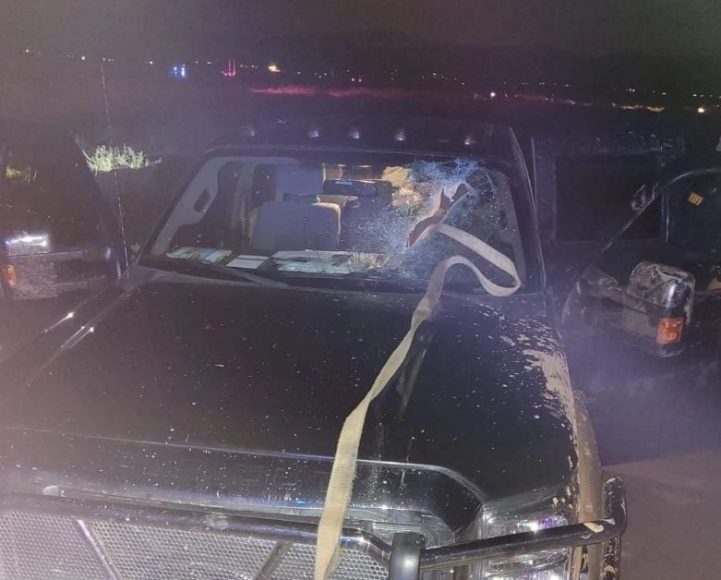
A shocking video showing a recovery chain snapping and striking a man near a Jeep has sparked intense discussion about off-road safety protocols. The incident highlights critical gaps in recovery operation safety that could have prevented serious injury.
This analysis examines what happened, why the equipment failed, and how similar accidents can be avoided through proper safety measures.
What Happened in the Jeep Chain Incident
The incident occurred during what appeared to be a routine vehicle recovery operation. A heavy-duty chain under extreme tension suddenly snapped, whipping back with tremendous force to strike a bystander.
Video footage shows the man standing too close to the recovery zone when the failure occurred. The chain’s rapid recoil demonstrates the dangerous energy stored in stretched recovery equipment under load.
Initial reports suggest the operation involved pulling a stuck or disabled Jeep from difficult terrain. Multiple people were present during the recovery attempt, with at least one person positioned in the direct line of potential equipment failure.
Video Breakdown and Key Moments
The footage reveals several critical safety violations. The victim stood within 1.5 times the chain length – well inside the recommended safety zone for recovery operations.
No warning was given before applying maximum tension to the recovery equipment. The chain appeared to fail at or near its working load limit, suggesting possible overloading or equipment degradation.
Understanding the Mechanical Failure
Recovery chains fail when stress exceeds their material limits. Most heavy-duty recovery chains have working load limits between 3,000 and 15,000 pounds, depending on grade and link diameter.
The failure likely occurred due to one of three primary factors: exceeding the chain’s rated capacity, using damaged equipment, or applying shock loading through rapid acceleration.
Temperature affects metal strength significantly. Cold weather reduces chain flexibility and can lower breaking strength by 10-20% compared to room temperature conditions.
Common Chain Failure Points
Chain failures typically occur at connection points, damaged links, or areas with manufacturing defects. Welded repair points create weak spots that fail under high stress loads.
Corrosion weakens metal structures over time. Chains exposed to salt, moisture, or chemicals lose strength gradually until catastrophic failure occurs without warning.
Load Rating vs. Real-World Conditions
Manufacturer load ratings assume perfect conditions and gradual loading. Real recovery situations involve shock loading, angular pulls, and environmental stresses that reduce effective capacity by 50% or more.
Dynamic loading from vehicle momentum can triple the static forces on recovery equipment. A 5,000-pound vehicle pulling with momentum can generate 15,000+ pounds of force on the chain.
Safety Protocols for Jeep Recovery Operations
Proper recovery operations require establishing clear safety zones before applying any tension. All personnel must remain outside 1.5 times the equipment length during pulling operations.
Communication protocols prevent accidents through clear signals between the pulling vehicle operator and ground personnel. Hand signals or radio communication eliminate confusion during critical moments.
Recovery equipment inspection before each use identifies potential failure points. Visual inspection should check for cracked links, worn connection points, and corrosion damage.
The safety triangle principle keeps all personnel positioned away from the direct line between vehicles. This positioning protects against equipment failure recoil in any direction.
Recovery vehicle operators must apply tension gradually, avoiding sudden acceleration that creates shock loading. Smooth, steady pulls distribute forces evenly across equipment components.
Essential safety equipment includes:
- Recovery dampers to reduce recoil energy
- Heavy blankets or tarps draped over tensioned lines
- Safety flagging to mark danger zones
- Communication devices for coordinated operations
- First aid supplies for emergency response
Legal and Insurance Implications
Recovery operations create liability exposure for all participants. The person conducting the recovery may face negligence claims if proper safety protocols weren’t followed.
Standard auto insurance policies typically exclude coverage for off-road recovery activities. Specialized recreational vehicle insurance or off-road club coverage may be required for protection.
Documentation of equipment condition, safety briefings, and proper procedures provides legal protection. Photos of equipment inspection and witness statements establish due diligence efforts.
Property damage from failed recovery attempts often exceeds personal injury costs. Damaged vehicles, property, and equipment can generate significant financial liability for recovery operators.
Expert Reactions and Industry Response
Off-road community leaders emphasize that this incident represents preventable negligence rather than an unavoidable accident. Proper safety training eliminates most recovery-related injuries through risk awareness.
Equipment manufacturers have issued renewed warnings about working load limits and safety zone requirements. Several companies now include prominent safety decals with new recovery equipment.
Professional recovery operators report that 90% of serious accidents involve untrained personnel using improper techniques. Formal training programs significantly reduce incident rates in commercial operations.
The Tread Lightly! The organization has updated safety guidelines to address viral video incidents and social media influence on risky behavior.
How to Prevent Similar Accidents
Equipment inspection prevents most failure-related accidents through early detection of damage. Check chains for cracked links, elongated connections, and surface corrosion before each use.
Pre-operation inspection checklist:
- Visual examination of all links and connections
- Measurement of critical dimensions against specifications
- Load test with 25% of rated capacity
- Documentation of inspection results and date
- Replacement of any questionable components
Training programs teach proper positioning, communication, and risk assessment skills. Certified off-road recovery training reduces accident rates by 85% compared to self-taught techniques.
Recovery dampers absorb recoil energy when equipment fails, reducing injury potential by 60-80%. These devices should be standard equipment for any recovery operation using chains or cables.
Alternative equipment, like synthetic winch lines offer significant safety advantages over traditional chains. Synthetic ropes store less energy and create minimal recoil when failure occurs.
Equipment upgrade priorities:
- Synthetic rope instead of steel cable or chain
- Recovery dampers for all tensioned lines
- Properly rated shackles and connection hardware
- Communication equipment for team coordination
- Emergency response supplies and training
Regular maintenance extends equipment life and prevents unexpected failures. Annual professional inspection identifies wear patterns and replacement needs before critical failure occurs.
Final Thoughts
The chain snapping incident serves as a powerful reminder that off-road recovery operations require serious safety commitment. Proper training, equipment, and procedures prevent accidents that can cause permanent injury or death.
Professional-grade safety protocols protect both participants and bystanders from the extreme forces involved in vehicle recovery operations.