Why Your Jeep Heater Is Blowing Cold Air: 7 Causes and Proven Fixes

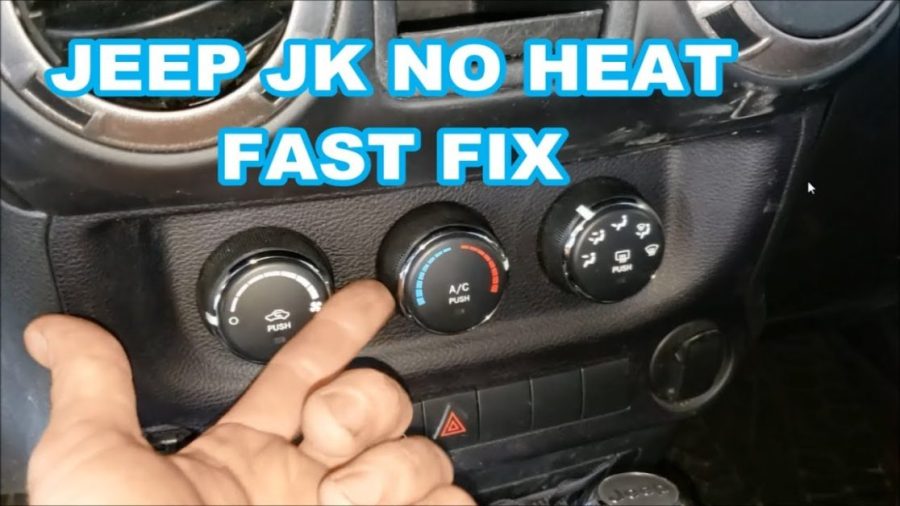
A Jeep heater blowing cold air during winter turns an inconvenience into a genuine safety concern. You’re shifting focus from the road to shivering, your windows fog up from trying to demist manually, and frustration builds quickly. This problem affects Jeep owners across all model years—from older TJs to newer Cherokees and Wranglers—but the underlying causes cluster around a few specific components.
The good news: diagnosing your heater issue follows a logical progression. You’ll start with the simplest checks (fuses, coolant level) and move to component-specific tests only if needed. This guide walks you through each cause in priority order, complete with testing methods, repair estimates, and DIY solutions where practical.
Start Here: The 60-Second Diagnosis Check
Before diving into complex troubleshooting, run these quick tests right now. They eliminate the most common issues in minutes.
Check your coolant level. Open your hood with the engine cold. Locate the coolant reservoir (usually a translucent plastic tank). The level should sit between the minimum and maximum marks. Low coolant is the #1 easy fix—top it off with a 50/50 coolant mix and test your heater. If it works now, your problem was simple. If not, you have a leak somewhere that needs attention.
Verify the engine reaches operating temperature. Start your Jeep and let it run for five minutes. Watch the temperature gauge. The needle should move from cold toward the middle or hot zone. If it stays cold or climbs abnormally, your thermostat or water pump isn’t functioning correctly.
Feel both heater hoses at the firewall. With the engine warm, carefully touch the two rubber hoses running behind your engine to the heater core (inside the dashboard). Both should feel hot. If one is cold and the other hot, a blend door is stuck. If both are cold, your water pump or thermostat needs checking.
These three checks take 10 minutes and often reveal your problem immediately.
Cause #1: Stuck Blend Door Actuator (Most Common Culprit)
The blend door actuator is the leading cause of cold heater air on Jeeps—particularly Wranglers from 2007 onward and newer Cherokees. This small motor controls a flap inside your HVAC box that directs air through either the heater core (warm) or around it (cool). When it fails, the door gets stuck in the cold position, and no amount of adjusting your temperature dial changes anything.
Why it fails: The actuator contains plastic gears and electrical contacts that wear out. Manufacturing defects cause some to fail as early as 7,000 miles, while others last 100,000+. Common failure points include cracked gears from temperature cycling, corroded motor contacts, or a motor that simply stops responding to electrical commands.
Symptoms to confirm: Your temperature dial moves freely, but the heat never increases. The heater blows either ice-cold or slightly warm air regardless of settings. You might hear clicking sounds from behind the dashboard as the actuator tries to move but fails. On dual-zone systems (driver and passenger separate), one side blows hot while the other stays cold.
How to test it: Turn your heater to the coldest setting and listen for a clicking motor sound behind the dash. Switch it to full heat and listen again. If the motor clicks in both positions but the air temperature doesn’t change, the actuator is stuck.
Repair cost: Wrangler owners typically pay $108–$138 for parts and labor at independent shops. Grand Cherokee owners face higher costs of around $640–$902 because the actuator sits in a more labor-intensive location. Dealerships charge more; some report quotes around $1,300–$2,000 for labor-intensive dash removal on certain models.
DIY potential: Blend door replacement requires significant dashboard disassembly on most Jeeps. Unless you’re experienced with automotive interior work, professional help is the safer choice. Some owners have reported success disconnecting the battery for a few hours to reset the actuator, though results are inconsistent.
Professional diagnosis cost: $95–$180 for HVAC inspection.
Cause #2: Thermostat Stuck Open or Closed
Your thermostat is a spring-loaded valve that opens when engine coolant reaches operating temperature (typically 180–195°F depending on your model). When it opens, hot coolant flows to your heater core. If it gets stuck in the open position, cold radiator coolant constantly mixes with hot engine coolant, preventing the engine from reaching the proper temperature. Stuck closed, the thermostat blocks all coolant flow until excessive heat builds.
Why it fails: Years of thermal cycling—the constant expansion and contraction from heating and cooling—weaken the spring inside. Debris in the coolant system can wedge the valve partially open. Cheap or incorrectly replaced thermostats sometimes stick prematurely.
Symptoms to confirm: The heater blows cold air consistently, even after 15–20 minutes of driving, when the engine should be fully warm. Your temperature gauge reads low or climbs erratically. You might notice the engine running hotter than normal (temperature gauge climbing into the red zone).
How to test it: The boiling water test is the most reliable method for removing thermostats. Remove the thermostat from the housing (consult your Jeep’s service manual for location). Place it in a pot of boiling water. A working thermostat should open as the water heats. If it stays closed in boiling water, it’s faulty.
While the engine is running at operating temperature, squeeze the upper radiator hose with a gloved hand and rev the engine briefly. You should feel pressure surge in the hose as the water pump pushes coolant. If the hose feels slack and doesn’t pressurize, your water pump may be failing instead.
Repair cost: Thermostat replacement runs $200–$400, including parts and labor at most shops. DIY enthusiasts can save $100–$150 in labor on many Jeep models where the thermostat sits in an accessible location.
Professional diagnosis cost: Included in HVAC inspection or cooling system diagnostic ($95–$180).
Cause #3: Clogged Heater Core
Your heater core functions like a miniature radiator. Hot coolant flows through delicate tubes, and a blower fan pushes cabin air across those tubes to pick up heat. Over time, sediment, rust, and debris—particularly casting sand left from engine manufacturing—accumulate inside the tubes. The blockage restricts coolant flow, starving your heater of hot fluid.
Why it clogs: Jeep engines, especially older models, sometimes retain manufacturing debris inside the coolant passages. Mixing incompatible coolant types (switching from green to orange, for example) causes chemical reactions that create sludge. Low coolant levels allow air to enter the system, and when it escapes, it leaves behind dissolved particles.
Symptoms to confirm: Heat output is weak or inconsistent. You notice a sweet-smelling odor from your vents—this indicates coolant seeping from cracks in the heater core caused by pressure buildup behind the blockage. The issue often affects one side of the vehicle (driver or passenger) first, then spreads. Temperature fluctuates between warm and cold as the blockage partially clears and reforms.
How to test it: Feel both heater core inlet and outlet hoses at the firewall with the engine running at operating temperature. Both should be equally hot. If one is noticeably cooler than the other, the core is partially clogged. If both are cold and the engine is warm, your thermostat or water pump is the problem instead.
Repair cost: A DIY back-flush costs nearly nothing ($0–$50 for hose adapters if you don’t have them). Garden hose pressure alone often clears minor clogs. Professional heater core flushing runs $300–$500 as part of a cooling system service. Complete heater core replacement costs $500–$1,500, depending on labor intensity and parts cost for your specific Jeep model.
DIY potential: This is one of the most accessible DIY cooling repairs. You can perform a back-flush in your driveway in 1–2 hours with basic tools. Here’s the process:
Safely raise your Jeep on jack stands. Locate the two heater hoses running to the firewall (usually rubber tubes about ½ inch in diameter). Loosen the hose clamps with a screwdriver or pliers and slide the hoses off. Place a catch pan underneath to collect coolant.
Attach a clear tube to a garden hose adapter. Connect the clear tube to the heater core’s outlet (the hose that normally flows back toward the engine). Place the other end of the clear tube into a bucket. Connect another clear tube to the inlet (the hose coming from the engine). Turn on the garden hose at low to moderate pressure—high pressure can rupture the heater core.
Water will flow backward through the heater core and out the inlet hose. Run water for 5–10 minutes until it flows clear. Disconnect the tubes, reinstall the heater hoses, refill your coolant system with fresh 50/50 coolant, and bleed the system.
Professional diagnosis cost: Included in cooling system inspection ($95–$150).
Cause #4: Low Coolant Level with System Leak
Coolant is essential to heating. Without sufficient volume, your water pump can’t maintain proper flow to the heater core, resulting in weak or no heat. Low levels almost always indicate a leak somewhere in the system—radiator, hoses, water pump gasket, or thermostat housing.
Why it happens: Cooling systems age. Rubber hoses crack and weep. Metal radiators develop tiny pinholes from internal corrosion. Gaskets around the water pump or thermostat housing fail. Even a small leak that loses a quart of coolant every few weeks will eventually starve your heater.
Symptoms to confirm: Coolant reservoir sits below the minimum mark. You notice a sweet smell under the hood (coolant’s distinctive scent) or see puddles under your Jeep after it’s parked. The heater works briefly after a fresh coolant fill, then gradually weakens as the level drops again.
How to test it: Check your coolant level with the engine completely cold. Open the radiator cap carefully (use a thick rag to avoid burns if any pressurized steam escapes). The fluid inside should reach the filler neck. If it’s low, add a 50/50 premixed coolant. Drive your Jeep for several days and recheck. Dropping more than a quarter-inch over a few days signals an active leak.
To locate a leak, look under your Jeep after parking. Fresh coolant is bright green, orange, or pink, depending on type. Trace any puddles backward to find the source. Common leak points: the lower radiator hose, heater hose connections at the firewall, and the water pump gasket on the passenger side of the engine block.
Repair cost: A simple hose replacement costs $50–$150, including parts and labor. Radiator leaks typically require replacement ($300–$600). Water pump gasket leaks are more expensive ($400–$800) because the pump must be removed.
DIY potential: Hose replacement is straightforward if you have basic mechanical skills. Radiator or water pump work demands more experience and special tools.
Professional diagnosis cost: $95–$150 for a pressure test to locate the leak source.
Cause #5: Water Pump Failure
Your water pump is a belt-driven mechanical device that circulates coolant throughout the engine and heating system. When the impeller (internal fan-like rotor) wears out, breaks, or the seal fails, coolant flow drops dramatically. You get heat only at high engine RPM when the pump works harder, or no heat at all if the failure is severe.
Why it fails: Water pumps operate under constant pressure and temperature cycling. Bearing wear is inevitable after 100,000+ miles. Manufacturing defects occasionally cause premature failure. Cavitation—when coolant pressure drops suddenly, creating vapor bubbles that collapse violently—can destroy the impeller.
Symptoms to confirm: The heater works only when revving the engine to high RPM. Heat output is weak despite the engine reaching full operating temperature. You notice coolant leaking from the small weep hole at the pump’s bottom (this is by design—it tells you the seal is failing before catastrophic leakage occurs). You hear a grinding or squealing noise from the front of the engine, particularly when cold.
How to test it: Squeeze the upper radiator hose with a gloved hand while the engine idles at operating temperature. Rev the engine briefly. You should feel pressure surge in the hose—almost like a heartbeat—as the pump pushes coolant. If the hose stays slack and soft, the pump isn’t circulating fluid effectively.
Alternatively, watch the overflow reservoir with the engine running. Bubbles rising from the bottom indicate the pump is pushing coolant through the system. A still reservoir signals pump failure.
Repair cost: Water pump replacement ranges from $400–$800 depending on your Jeep model and whether additional components (radiator hose, thermostat) are replaced simultaneously.
DIY potential: Water pump replacement requires belt removal and some mechanical skill. It’s not a beginner project, but experienced DIYers can handle it with proper guidance.
Professional diagnosis cost: $95–$150 for cooling system inspection.
Cause #6: Blown Fuses or Electrical Faults
Your HVAC system relies on multiple fuses, relays, and electrical connections. A single blown fuse can disable heating without affecting air conditioning or any other system. On some Jeep models, the blower motor fuse, heater relay, or climate control module fuse controls heating.
Why it fails: Fuses blow when the electrical current exceeds the rated amperage. This happens when a component shorts out or develops a fault that draws excessive current. Corroded connections increase resistance, forcing higher current flow through the fuse.
Symptoms to confirm: Your heater blower motor doesn’t work—no air moves through the vents. All other electrical systems function normally. On some models, the heating system is completely dead with no sounds or vibrations from the blower.
How to test it: Locate your Jeep’s fuse panel. Most Jeeps have one under the hood on the driver’s side near the battery, and another inside the cabin (usually behind the glove box or under the steering column). Consult your owner’s manual or the fuse panel cover diagram to identify heater and blower-related fuses. Common fuses: #8 (10A blower motor), #39 (heater control), #65 (climate control), and #79 (double-mic-three-blade fuse on some models).
Pull each fuse and inspect the metal strip inside. A blown fuse shows a broken or blackened strip. Replace with a new fuse of identical amperage rating. Test your heater.
If the fuse immediately blows again, stop. You have a short circuit or component fault that requires professional diagnosis. Continuing to replace blown fuses risks electrical fire.
Repair cost: Fuse replacement is free if you do it yourself ($0–$10). If a component is faulty, the repair cost depends on what failed: blower motor resistor ($50–$150), blower motor ($200–$400), or climate control module ($300–$600).
DIY potential: Fuse replacement is the simplest automotive repair possible. Anyone can do it in under five minutes with no tools other than a fuse puller.
Professional diagnosis cost: $95–$150 for an electrical system diagnostic.
Cause #7: Air Pockets in the Cooling System
After coolant service—whether you replaced the thermostat, flushed the system, or fixed a leak—air can become trapped in the cooling system. Because the heater core is mounted high in your dashboard, air bubbles migrate there first. They create an air lock that prevents hot coolant from reaching the heater core, leaving you with cold air.
Why it happens: The cooling system must be carefully bled after opening to remove all air. Improper bleeding procedures leave pockets of air inside hoses and passages. The air occupies space that should be filled with coolant.
Symptoms to confirm: Heater blows cold immediately after coolant service (thermostat replacement, radiator flush, hose replacement). The temperature was fine before the service. Heating may be intermittent—sometimes warm, sometimes cold—as air pockets move through the system during driving.
How to test it: With the engine cold, remove the radiator cap. Start the engine and let it run. Turn the heater to full heat and all vents to open. Watch the radiator opening. Bubbles should emerge as the system warms. Once bubbles stop, the system is bled. If heat doesn’t improve after 20 minutes of running, the problem is something else.
How to fix it: Many Jeeps have a bleed screw on the thermostat housing or upper radiator hose. Loosen this screw until coolant (not air) flows out, then retighten. You can also fill the radiator slowly while running the heater, allowing air to escape naturally. Some owners use a shop vac on the cooling system to create a vacuum that pulls air out—this method works but requires a cooling system vacuum fill tool ($50–$200).
Repair cost: DIY bleeding is free and takes 15–30 minutes. Professional bleeding as part of a service runs $50–$150.
DIY potential: This is straightforward. Follow your Jeep’s service manual for the specific bleeding procedure for your model year.
Professional diagnosis cost: No additional cost if performed during service. Standalone bleeding diagnostic costs $50–$100.
Quick Cost Summary: What Repairs Cost
| Issue | DIY Cost | Labor Cost | Total Professional |
|---|---|---|---|
| Coolant top-off | $0–20 | N/A | $20–50 |
| Fuse replacement | $0–10 | N/A | $20–50 |
| Heater core flush | $0–50 | N/A | $300–500 |
| System bleeding | $0 | N/A | $50–150 |
| Thermostat replacement | $50–100 | $100–150 | $200–400 |
| Blend door actuator | $50–100 | Difficult | $108–900 |
| Water pump | $200–300 | $200–300 | $400–800 |
| Full heater core | $300–500 | $300–600 | $600–1,500 |
Costs vary by Jeep model, location, and shop rates. Dealerships typically charge 20–40% more than independent shops.
Diagnostic Decision Tree: Know What to Check First
- Coolant low? → Add coolant, retest. Fixed? Stop. Leaking? Locate and repair the leak.
- Engine not reaching operating temperature? → Test thermostat with boiling water. Likely culprit: stuck thermostat.
- Both heater hoses cold, engine warm? → Water pump or thermostat issue. Feel upper radiator hose pressure test.
- One heater hose hot, one cold? → Blend door actuator stuck.
- Both heater hoses are equally warm, but low heat output? → Clogged heater core. Perform back-flush.
- Blower motor not running at all? → Check fuses first. Then test blower motor directly with jumper wires if fuses are good.
- Heat was fine before recent service? → Air in the system. Bleed cooling system.
- Unable to diagnose at home? → Schedule HVAC diagnostic ($95–$180) or cooling system pressure test ($95–$150) with a shop.
Prevention: Keeping Your Jeep’s Heater Healthy
Maintain your heating system with these straightforward practices. Replace your cabin air filter every 15,000–30,000 miles—a clogged filter forces the blower motor to work harder and can contribute to electrical faults. Check the coolant level monthly and maintain it at the maximum fill line. Never mix coolant types; if topping off, use the same type already in your system.
Flush your entire cooling system every 30,000–50,000 miles (consult your owner’s manual for your specific Jeep). This removes sediment before it clogs the heater core. At the first sign of weak heat—even if it’s still functioning—have a mechanic inspect the heater hoses and thermostat. Early detection prevents expensive repairs.
When replacing a thermostat or doing any cooling system work, use OEM (Original Equipment Manufacturer) parts when possible. Aftermarket thermostats sometimes stick. Bleed your cooling system completely after any service where you opened the system. Don’t rush this step—it’s the difference between a working heater and weeks of cold-air frustration.
When to Call a Professional
Schedule an appointment with a mechanic if you’re uncomfortable working on cooling or electrical systems, if you lack the proper diagnostic tools, or if your DIY troubleshooting doesn’t pinpoint the problem. HVAC diagnostics and pressure tests ($95–$180) are worth the money when you’re uncertain.
Get professional help immediately if you smell coolant, see puddles under your Jeep, or notice the temperature gauge climbing toward the red zone. These indicate active leaks or overheating that can cause engine damage if ignored.
Your heating system isn’t a luxury—it’s critical for visibility (defogging windows), safety (staying warm in cold weather), and comfort during long drives. A $150 diagnostic now beats a $1,500 emergency repair later.
Final Thoughts
Ready to tackle your Jeep’s heating problem? Start with the 60-second diagnosis checks. Most cold-heater issues resolve with a simple fix: topping off coolant, replacing a fuse, or bleeding air from the system. For problems requiring component replacement, gather a few professional quotes before committing to any repair. Your Jeep will be blowing hot air again soon.