How to Program a Mini Cooper Key Fob: Complete Step-by-Step Guide 2026

Programming a Mini Cooper key fob depends heavily on your model year. Older models from 2004 to roughly 2013 allow straightforward DIY programming using ignition cycles and button sequences. Newer models, particularly those from 2020 onward, feature encrypted immobilizer systems requiring dealership software or specialized OBD2 tools.
This guide walks through the exact programming procedures for different Mini Cooper generations, explains when professional help becomes necessary, and covers troubleshooting for common issues.
credit: www.bimmer-tech.net
Understanding Mini Cooper Key Fob Systems
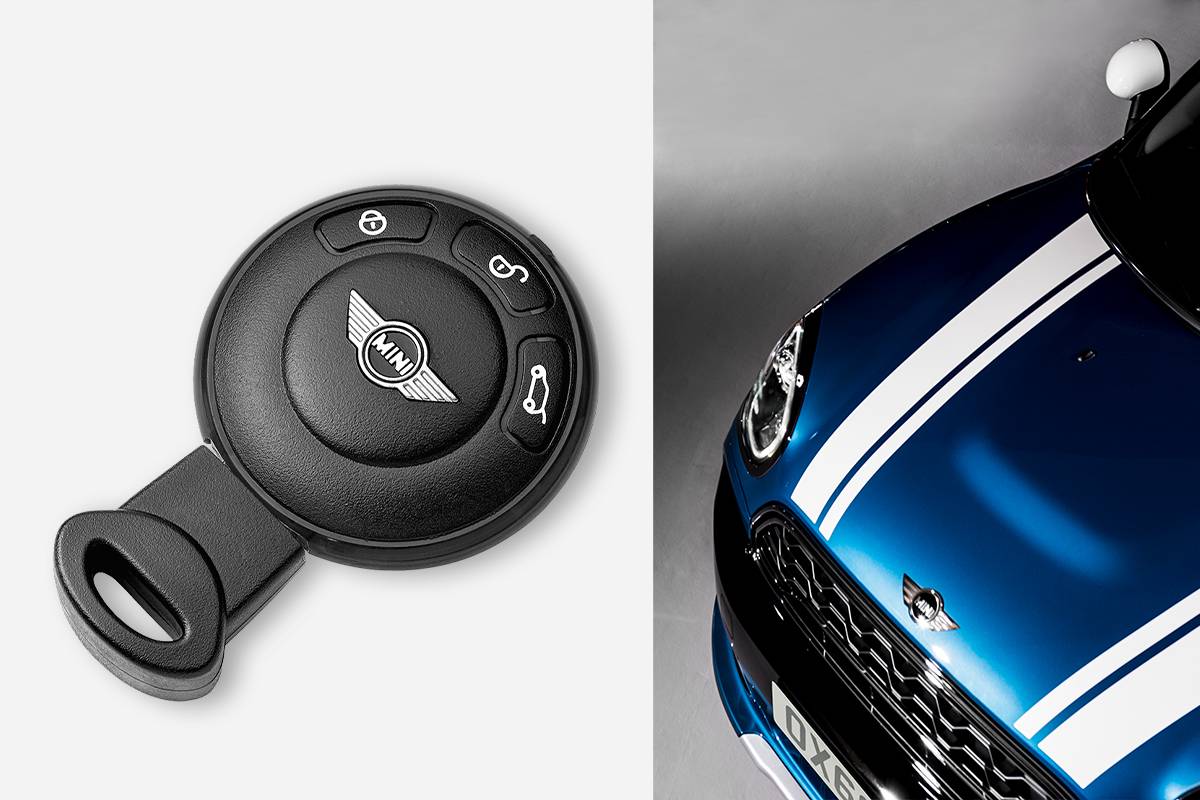
Mini Cooper key fobs combine two independent functions: remote central locking and engine immobilization. The central locking portion communicates through radio frequencies at either 314 MHz or 433 MHz, while the immobilizer uses a transponder chip that syncs with the Car Access System module located under the dash.
Programming the remote function can be done independently through button sequences, but activating the immobilizer chip requires either an existing working key or direct access to the CAS module. This dual-layer system prevents unauthorized key duplication and protects against theft.
The CAS module stores encrypted data about which keys are authorized to start the vehicle. When you program a key fob, you’re essentially updating this authorization list. Newer vehicles use rolling codes that change with each use, making aftermarket programming increasingly difficult without dealer-grade equipment.
DIY Programming for 2004–2013 Models
Older Mini Coopers support manual key fob programming without any diagnostic tools. This method works for R50, R52, R53, R55, R56, R57, and R58 chassis codes through approximately 2013, depending on when your vehicle received CAS software updates.
Standard Programming Method
This procedure programs the remote locking function only. Sit in the driver’s seat and close all doors. Turn the ignition key to position 1, where dashboard lights illuminate, but the engine doesn’t start. Immediately turn the key back to the off position and remove it within 5 seconds.
Within 30 seconds of removing the key, press and hold the unlock button on your key fob. While continuously holding the unlock, press the lock button three times in quick succession. After the third press, release both buttons simultaneously.
The central locking system will cycle automatically, locking and unlocking the doors to confirm successful programming. This entire sequence must be completed within the 30-second window. If the doors don’t cycle, restart the process from the beginning.
Programming Multiple Key Fobs
If you need to program additional key fobs, repeat the button sequence for each fob within 30 seconds of completing the previous one. All existing key fobs must be reprogrammed during the same session. Any key not programmed during this session will no longer operate the vehicle’s remote functions.
Hold each key fob near your left shoulder during programming. The remote receiver antenna is located in that area of the cabin, and proximity improves signal reception during the pairing process.
Alternative Quick-Cycle Method
Some owners report success with a faster method when no working remote exists. Turn the key to position 1 five times very quickly, then remove the key. Immediately press and hold the unlock button, then press the lock button three times while holding unlock. Release both buttons and wait for the door cycle confirmation.
If programming additional keys, perform the same button sequence within 30 seconds. Turn the ignition to position 1 one final time to complete the process.
Programming 2014–2019 Models with Smart Keys
Mini Coopers from 2014 onward increasingly use smart key fobs with proximity sensing and push-button start. These models often support remote programming for the locking functions, but require OBD2 tools or dealership assistance for full immobilizer programming.
Remote Function Activation
For remote locking programming on newer models, gather all key fobs you want to activate and ensure the car battery is fully charged. Get inside and close all doors. Insert the key into the ignition slot and turn to the first accessory position labeled KLR, which powers electronics without starting the engine.
Immediately turn the key back to off and remove it from the ignition within 5 seconds. Within 30 seconds of removing the key, press and hold the unlock button. While holding the unlock, quickly press and release the lock button three separate times. After the third press, release both unlock and lock buttons at the same time.
The central locking system will cycle to confirm activation. Test the key fob immediately to ensure the lock and unlock functions work correctly. If you have more key fobs to activate, repeat the button sequence for each within 30 seconds of the previous fob. Turn the ignition back to position 1 to complete the process.
Starting with a Dead Key Fob Battery
When the key fob battery dies on 2014–2021 models, you’ll see a “Hold Remote Control To Steering Column” message. Place the smart key fob next to the key icon on your steering column. The steering column contains an NFC reader that can communicate with the key fob even when its battery is depleted. Start the vehicle normally once the fob is positioned correctly.
Replace the CR2032 battery as soon as possible. Pry open the key fob case using a small flathead screwdriver at the designated slot. Pop out the old battery and insert the new one with the positive side facing up. Snap the case back together and test the remote functions.
Professional Programming for 2020+ Models
Mini Coopers from 2020 onward feature enhanced security systems using rolling codes and encrypted communication between the key fob and CAS module. These vehicles typically cannot be programmed using manual methods. Dealerships use BMW’s ISTA software suite, which communicates with the CAS module through the OBD2 port to authorize new keys.
The programming process involves reading the immobilizer security number from the CAS module, then writing key authorization data that matches your specific vehicle identification number. This process takes 8 to 11 minutes for newer CAS modules with ISTA-P software versions 41 and above.
Automotive locksmiths with specialized equipment can program keys for newer models at lower costs than dealerships. They use OBD2 key programmers designed for BMW and Mini Cooper vehicles. These devices disable the factory alarm during programming and read encrypted data from the CAS module to properly sync new keys.
Using OBD2 Key Programming Tools
Professional-grade OBD2 key programmers offer a middle ground between DIY methods and dealership service. Tools like the Autel IM608 or specialized BMW/Mini Cooper key programmers connect to your vehicle’s diagnostic port and interface directly with the CAS module.
These devices perform several critical functions. They read the immobilizer security number from the vehicle’s computer, program blank transponder chips to match your VIN, and update the CAS module’s authorized key list. The process typically takes 10 to 15 minutes for older CAS versions and 8 to 11 minutes for newer encrypted modules.
Key programming through OBD2 works best when you have at least one working key. The tool reads data from the working key to establish baseline authorization, then writes similar data to the new key. For all key loss situations, the tool must extract security data directly from the CAS module, which takes longer and carries a higher risk.
Before using an OBD2 programmer, connect the vehicle to a battery charger or voltage stabilizer. Programming requires stable electrical power throughout the entire process. Voltage drops can corrupt data in the CAS module, potentially requiring expensive module replacement or bench programming.
When to Remove the CAS Module
Some Mini Cooper models, particularly those with CAS 3++ modules running ISTAP software, cannot be programmed through OBD2. The only option becomes removing the CAS module and programming it on a bench setup using direct connections to the module’s circuit board.
Accessing the CAS module in Mini Coopers requires removing most of the upper dashboard, as the module sits behind the center of the dash above the steering wheel. This labor-intensive process takes 2 to 3 hours and requires specialized equipment. Most owners choose professional service for bench programming rather than attempting it themselves.
Bench programming becomes necessary when the CAS module has been updated with encrypted firmware that blocks OBD2 access, when all keys are lost, and the vehicle won’t enter programming mode, or when previous programming attempts have corrupted the module’s memory.
Cost Breakdown and Service Options
Key fob programming costs vary significantly based on model year, service provider, and whether you need a new key cut or just programming for an existing key.
Dealership Services
Mini dealerships charge $300 to $550 for complete key replacement, including cutting and programming. They order keys pre-coded to your VIN, which arrive in 1 to 2 weeks. Dealerships guarantee OEM parts and provide warranties on their work. This option works best for 2020+ models with encrypted systems or when scheduling other maintenance services.
Automotive Locksmiths
Certified automotive locksmiths charge $150 to $350 for key replacement and programming, offering 30 to 50 percent savings compared to dealerships. Many provide mobile service and same-day availability. Locksmiths work well for mid-generation Minis from 2010 to 2019, though they may lack software access for the newest models.
DIY Programming
Self-programming costs nothing for 2004–2013 models supporting manual methods. You only pay for blank key fobs, which cost $50 to $150 depending on whether you purchase OEM or aftermarket units. For OBD2 programming, tool costs range from $500 for basic programmers to $2,500 for professional-grade units like the Autel IM608.
Troubleshooting Common Programming Issues
If the doors don’t lock and unlock during programming, you’ve likely exceeded the timing window. The entire sequence from ignition cycling to button presses must be completed within 30 seconds. Practice the button sequence before starting to improve your speed.
When programming multiple keys, any delay longer than 30 seconds between keys exits programming mode. All keys must be programmed in continuous succession. If you miss the window, restart the entire process from the beginning.
Some owners find programming works better when attempting keys in reverse order. If programming key 1 then key 2 fails, try programming key 2 first, then immediately program key 1. The CAS module sometimes responds differently to initialization order.
Security System Interference
Factory alarm systems can interfere with key programming. Some OBD2 tools include alarm disable functions to prevent interruption during programming. For manual programming, ensure the alarm isn’t triggered before starting the sequence. An active alarm prevents the CAS module from entering programming mode.
Battery Voltage Issues
Low battery voltage causes programming failures. Charge your battery to at least 12.6 volts before attempting key programming. For OBD2 programming, connect a battery maintainer or voltage stabilizer to prevent power drops during the 8 to 11 minute programming window.
Dashboard warning lights after programming indicate the key has paired with the remote system but hasn’t synced with the immobilizer. This requires OBD2 programming or dealership service to complete the immobilizer authorization process.
Aftermarket Key Fob Considerations
Aftermarket key fobs cost significantly less than OEM units but come with compatibility limitations. For models through 2015, aftermarket fobs generally work reliably for remote locking functions. The transponder chip still requires proper programming to disable the immobilizer and allow engine starting.
Newer Mini Coopers from 2016 onward use anti-cloning chips that reject most aftermarket keys. These vehicles verify encrypted signatures from the key fob that aftermarket units cannot replicate. Stick with OEM keys for 2016+ models to avoid compatibility issues.
When purchasing aftermarket keys, verify they match your frequency. North American Mini Coopers typically use 315 MHz keys, while European models use 433 MHz. Using the wrong frequency prevents the key from communicating with your vehicle.
Maintaining Your Key Fob
Replace the CR2032 battery annually or whenever you notice reduced operating range. Most key fobs show warning messages when battery voltage drops below functional levels. Waiting until complete battery failure can cause you to lose programming data in some key fob designs.
Store spare key fobs away from your primary key. Keeping multiple keys together in strong magnetic fields or near other electronic devices can cause signal interference. Store one key fob in your home and carry only the keys you need daily.
Avoid water exposure and physical impacts that can damage the internal circuit board. If your key fob gets wet, remove the battery immediately and let the unit air dry for 24 hours before reinserting the battery and testing functionality.
Test all programmed key fobs monthly by checking both lock and unlock functions from various distances. This ensures all keys remain properly synced with the vehicle. If one key stops working, reprogram all keys during the same session to restore full functionality.