2016 Jeep Cherokee Won’t Start but Has Power: Troubleshooting Tips & Solutions

Your 2016 Jeep Cherokee’s dashboard lights up perfectly. The radio plays, headlights shine bright, and every electrical accessory works normally. Yet when you press the start button, nothing happens. This frustrating situation affects countless 2016 Cherokee owners, but understanding the specific causes for this model year leads to quick solutions.
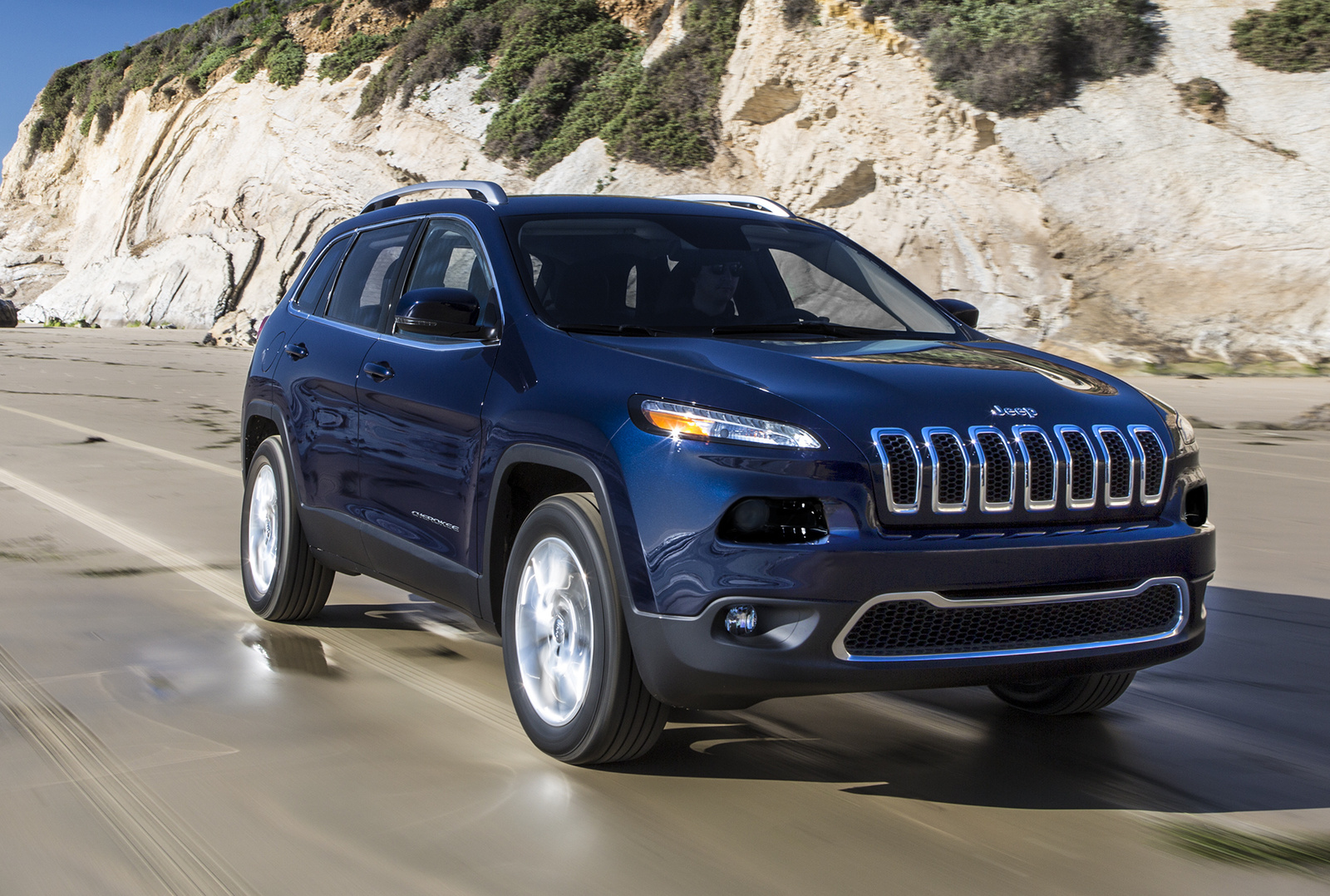
credit: www.cargurus.com
Understanding Why Accessories Work But the Engine Won’t Start
Power flowing to accessories doesn’t guarantee starting capability. Your Cherokee requires sufficient cranking amps to turn the starter motor, far exceeding the power needed for lights and electronics. A battery reading 12 volts might illuminate the dashboard yet lack the 200-400 cold cranking amps needed to engage the starter.
The 2016 Cherokee’s push-button start system adds complexity beyond traditional key ignition. Multiple electronic modules must communicate properly—the Body Control Module, Powertrain Control Module, and Radio Frequency Hub all coordinate to authorize starting. A single communication failure keeps your Cherokee parked.
Three critical systems must align for engine ignition: electrical power from the battery and charging system, proper starter engagement, and electronic authorization from security modules. When accessories function but the start fails, one of these systems has broken down.
Battery Issues Disguised by Working Accessories
A weak battery represents the most common cause of no-start conditions despite apparent power. Your 2016 Cherokee’s battery should measure 12.6 volts or higher when fully charged. Readings between 12.2-12.4 volts indicate partial discharge. Below 12 volts means insufficient starting power.
Test battery voltage with a multimeter at the terminals. Accessories draw minimal current—the radio uses 5-10 amps while headlights consume 10-15 amps combined. The starter motor demands 150-300 amps during cranking. A battery providing adequate voltage for accessories simply cannot deliver the massive current burst needed for starting.
Jump-starting confirms battery diagnosis immediately. If your Cherokee fires up with jumper cables connected, the battery lacks capacity regardless of the voltage readings. Replace batteries showing voltage drop under load testing, even if they measure adequately at rest.
2016 Cherokee owners report bizarre symptoms from failing batteries. The dashboard may display “Engine Temperature Too Hot” during frigid weather when the vehicle hasn’t run for days. “4WD System Temporarily Unavailable” messages accompany battery failures. These false warnings disappear after battery replacement.
Battery terminals corrode over time, creating resistance that prevents current flow. Green or white crusty buildup on terminal posts blocks electrical contact. Clean terminals thoroughly with a wire brush and baking soda solution. Tighten connections until snug—loose terminals cause intermittent starting failures that worsen over time.
Push-Button Start System Failures
The 2016 Cherokee’s keyless ignition introduces unique failure points absent in traditional systems. The start button itself fails occasionally, requiring replacement. More commonly, the Radio Frequency Hub loses communication with the key fob, preventing start authorization.
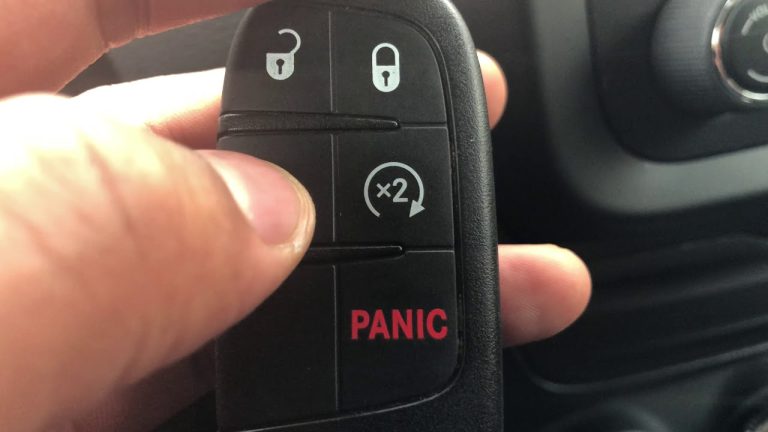
Try holding your key fob directly against the start button while pressing both simultaneously. This backup proximity sensing overrides standard wireless detection. If the engine starts this way, the fob’s battery may be weak, or the RF antenna has failed.
Insert the key fob into the start button slot if your Cherokee includes this feature. Some 2016 models allow mechanical key insertion as a backup starting method. This workaround functions for weeks or months before the underlying electronic issue requires proper repair.
“Key Damaged” or “Key Not Detected” messages indicate communication problems between the fob and vehicle. Replace the coin battery inside the fob first—CR2032 batteries cost less than $5. If new batteries don’t resolve the issue, the Radio Frequency Hub or Body Control Module may need diagnosis.
A diagnostic workaround exists when push-button start completely fails. Remove the start button assembly and locate the ignition cylinder behind it. Insert your physical key blade and turn to start the engine. This mechanical override proves useful for reaching a repair facility when electronic systems malfunction.
Brake Pedal Issues Preventing Start Authorization
Push-button start systems require firm brake pedal pressure before allowing ignition. A stiff, hard brake pedal before starting is completely normal—the brake booster needs engine vacuum to provide assist. Many drivers press too lightly, failing to trigger the brake switch that authorizes starting.
Press down hard on the brake pedal, using significantly more force than expected. The brake switch requires approximately 10-15 pounds of pressure to close the starting circuit. If standard pressure fails, try this sequence: pump the brake pedal three times rapidly, then press the start button while maintaining maximum brake pressure.
The brake switch itself fails occasionally, preventing start authorization despite proper pedal pressure. This switch mounts to the brake pedal arm above the floorboard. Testing requires a multimeter to check continuity when the pedal is depressed. Replacement costs $30-60 for the part plus 30 minutes of installation time.
Remote start functions bypass the brake switch requirement on many Cherokees. If the start button fails but remote start from your key fob works normally, the brake switch or its wiring has failed. This diagnostic distinction saves unnecessary parts replacement.
Gear Shifter Module Problems in 2016 Cherokees
A surprising number of 2016 Cherokee no-start conditions trace to the gear shifter bezel assembly. The electronic module inside this trim piece communicates transmission position to the Powertrain Control Module. When this module fails, the Cherokee believes it’s not in Park, preventing starting.
“Service Shifter” messages on the dashboard indicate this failure. Diagnostic codes U1465 and P1C86-1D confirm the diagnosis. Jeep issued Technical Service Bulletin 08-054-18 addressing this widespread problem affecting 2014-2018 Cherokee models.
The shifter bezel costs approximately $120 from dealerships or online parts suppliers. This assembly cannot be disassembled—the internal module is permanently integrated. Installation takes 45-60 minutes for DIY mechanics comfortable with interior trim removal.
Remove the center console trim panels to access the shifter assembly. Disconnect three wiring harnesses beneath the bezel before lifting it away. The replacement bezel includes updated electronics that resist the failures plaguing original equipment. This repair permanently resolves shifter-related no-start issues.
Try shifting to Neutral and attempting to start. If the engine cranks in Neutral but not Park, the shifter module has failed or requires adjustment. This temporary workaround confirms the diagnosis before purchasing replacement parts.
TIPM Failures Creating Random No-Start Conditions
The Totally Integrated Power Module controls numerous electrical circuits in your 2016 Cherokee. This computer module manages everything from fuel pump relays to door locks. TIPM failures produce bizarre, intermittent symptoms that perplex owners and mechanics alike.
Classic TIPM failure symptoms include random starting problems accompanied by unrelated electrical gremlins. Doors may lock spontaneously. Windshield wipers activate without input. Horn chirps randomly. These seemingly unrelated issues all trace to failing TIPM internal circuits.
The fuel pump relay inside the TIPM fails frequently on 2014-2016 Cherokee models. When this relay sticks open, the fuel pump never activates, preventing engine start despite perfect cranking. You’ll hear the starter motor spinning normally without engine ignition.
Diagnostic trouble codes B2100, B210D, B2112, and U110E indicate TIPM communication failures. Scan tools reveal these codes, pointing directly to power module issues. However, TIPMs sometimes fail without triggering any codes, complicating diagnosis.
TIPM replacement requires approximately $400-600 for remanufactured units from suppliers like O’Reilly Auto Parts. Dealer TIPMs cost $800-1200 but include programming and warranty. Installation takes 2-3 hours, mostly spent accessing the module beneath the dashboard.
After TIPM installation, perform the initialization procedure. Turn the ignition to RUN for 12 seconds minimum, then to OFF. Turn back on and start the engine. The CAN bus system programs the new TIPM automatically in most cases. Some vehicles require scan tool programming to complete the “Restore Vehicle Configuration” function.
Starter System Diagnosis for 2016 Cherokee
The starter motor itself fails less frequently than supporting components. When you hear rapid clicking from under the hood, either the starter solenoid has failed, or insufficient power reaches the starter. A single loud click indicates starter motor failure.
Check fuses before replacing expensive starter components. Open the underhood fuse box on the driver’s side. Locate fuse F19—a 40-amp blade fuse protecting the starter solenoid circuit. Test this fuse with a multimeter or visually inspect for a broken element.
Relays K1 and K3 control starter operation. K1 powers the starter motor while K3 activates the solenoid. These black plastic cubes plug into the fuse box and cost $15-25 each. Swap them with identical relays from other circuits to test functionality without purchasing parts.
The ignition switch wire connection at the starter commonly fails on 2016 Cherokee models. This small wire terminal on the starter solenoid sends the start signal from the ignition system. Corrosion or looseness at this connection prevents starter engagement despite a perfect battery.
Access the starter through the wheel well on the driver’s side. Remove the plastic inner fender liner to expose the starter motor bolted to the transmission bell housing. Clean all connections and test voltage at the small terminal during cranking attempts—12 volts should appear when the start button is pressed.
Module Communication Failures and Logic Locks
Electronic modules in the 2016 Cherokee occasionally fall into “logic lock” conditions where they stop communicating. Diagnostic codes U0168 and U1514 indicate these failures. The vehicle won’t start because the modules cannot verify proper conditions for engine operation.
Perform a complete electrical reset to clear logic locks. Disconnect the negative battery cable and wait 10 minutes minimum. Longer disconnection periods—15-20 minutes—improve success rates for stubborn logic locks. Reconnect the battery and immediately attempt to start.
Scan tools with bidirectional controls can reset individual modules. The Powertrain Control Module, Body Control Module, and Radio Frequency Hub each have separate reset functions. Performing all three resets in sequence clears accumulated errors causing no-start conditions.
The “Proxy Configuration Alignment” function synchronizes module communication. This procedure requires professional-grade scan tools capable of accessing Jeep’s proprietary protocols. Independent shops with proper equipment perform this service for $100-150, far less than dealer diagnostic fees.
Aftermarket accessories improperly wired into factory circuits trigger logic locks. Trailer brake controllers, remote starters, and security systems must connect to dedicated circuits, not be spliced into existing wiring. Review any recent electrical work if logic lock codes appear suddenly.
Fuel System Issues When Everything Else Checks Out
The fuel pump must prime when you turn the ignition to ON. Listen carefully near the rear seat—a brief humming sound for 2-3 seconds indicates proper fuel pump operation. Silence during this key-on cycle suggests pump failure or relay problems.
Test fuel pressure with a gauge connected to the test port on the fuel rail. Your 2016 Cherokee should build 55-62 psi within seconds of key-on. Lower pressure indicates weak pump performance or clogged filters. Zero pressure means the pump isn’t running.
Fuel pump fuses and relays hide in the underhood fuse box. The fuel pump relay often makes an audible click during the prime cycle. If you hear clicking but no pump noise, the relay functions while the pump has failed. No clicking means relay failure or no power to the relay circuit.
Clogged fuel filters restrict flow enough to prevent starting while allowing accessories to function normally. The 2016 Cherokee integrates the fuel filter with the pump assembly inside the fuel tank. Replacement requires tank removal, typically costing $600-800 at repair facilities.
Alternator Testing When Jump-Starting Works
If jump-starting gets your Cherokee running, test the charging system immediately. A failed alternator prevents battery charging, leaving you with repeated no-start conditions. The alternator should produce 13.5-14.5 volts while the engine runs at idle.
Disconnect jumper cables after starting. If the engine immediately stalls, the alternator has completely failed. A functioning alternator maintains power without battery support. Voltage dropping below 12.5 volts during operation indicates alternator weakness requiring replacement.
Listen for whining or grinding noises from the alternator pulley. Failing alternator bearings create metallic sounds at higher RPMs. Burning smells from the engine bay suggest internal alternator shorts and overheating electrical components. Either symptom demands immediate alternator replacement.
Alternator failures damage batteries when not addressed promptly. Attempting to start repeatedly with a bad alternator deeply discharges the battery, causing permanent capacity loss. Replace the battery after extended alternator failure periods, even if the alternator gets fixed.
Systematic Diagnostic Approach
Start with the simplest tests and progress to complex diagnoses. Verify adequate fuel in the tank—running completely dry happens more often than drivers admit. Confirm the transmission shifter sits fully in Park or try starting in Neutral.
Test battery voltage first using a multimeter or voltmeter. This two-minute check eliminates the most common cause. Battery voltage above 12.4 volts doesn’t guarantee sufficient cranking amps—load testing at auto parts stores reveals true battery condition.
Document all symptoms precisely. Note whether the starter cranks, what warning messages appear, and any unusual sounds during attempts. These observations guide technicians toward accurate diagnosis, saving diagnostic fees when professional help becomes necessary.
Use an OBD-II scanner to retrieve diagnostic trouble codes. Most auto parts stores scan codes for free. Codes pointing to specific sensors or modules focus repair efforts. No codes suggest mechanical issues with the starter, battery connections, or fuel delivery.
When Professional Diagnosis Makes Sense
Intermittent problems challenge even experienced mechanics. If your Cherokee starts normally sometimes, then fails randomly without a pattern, a professional diagnosis with advanced equipment identifies elusive faults. Data logging tools capture failures during occurrence, revealing problems that disappear by shop arrival.
TIPM diagnosis requires specialized knowledge of Jeep’s electronic architecture. Independent shops experienced with Chrysler products cost less than dealers while providing equivalent expertise. Verify shop familiarity with TIPM issues before authorizing expensive diagnostic fees.
Mobile mechanics handle simple repairs at your location for $50-100 less than brick-and-mortar shops. Battery replacement, starter swaps, and relay changes happen in your driveway. Complex electrical work still requires lifts and specialized diagnostic equipment available only at shops.
Understanding related Cherokee problems helps diagnose overlapping symptoms. Stalling issues share common causes with no-start conditions. Electrical problems affecting one system often cascade to others through module communication failures.
Preventive Measures for Reliable Starting
Replace your battery proactively at the four-year mark. Don’t wait for roadside failure during winter weather. Load testing at parts stores reveals weak batteries before complete failure strands you inconveniently.
Clean battery terminals twice yearly using a wire brush and baking soda solution. This five-minute maintenance prevents the most common starting failures. Spray terminals with battery protector after cleaning to slow future corrosion.
Address “Service Shifter” messages immediately upon appearance. This warning provides advance notice before complete failure prevents starting. Delaying replacement saves nothing—the module will fail eventually, leaving you unable to drive.
Keep a portable jump starter in your Cherokee. Modern lithium units cost $60-100 and fit under the seat. A single roadside incident requiring tow truck assistance costs more than the jump starter. This insurance against battery failures proves invaluable during emergencies.
Cost Expectations for Common Repairs
Battery replacement runs $150-200 for quality AGM units. Standard flooded batteries cost $100-150. Installation is free at most retailers. Batteries for stop-start systems require AGM technology—flooded batteries fail rapidly with this feature.
Starter motor replacement costs $300-500 at independent shops. The part itself runs $150-250. Labor varies based on accessibility—some require extensive disassembly. DIY installation saves $150-200 for mechanically inclined owners.
Push-button start assembly replacement costs $200-350 installed. The switch itself costs $50-100, with labor comprising the majority. This repair requires interior trim removal and connector access behind the dashboard.
TIPM replacement represents a major expense at $600-900 total. Remanufactured units from O’Reilly or AutoZone cost $400-600. Dealer units run $800-1200 with programming included. Shop labor adds $200-300 for installation and initialization.
Gear shifter bezel replacement costs $200-250 at independent shops. The part runs $120-150, with 1-1.5 hours of labor. DIY saves the entire labor cost—this repair suits moderately skilled owners comfortable with interior trim work.
Your 2016 Cherokee will start reliably once you identify and repair the underlying cause. Battery problems account for most cases where accessories work but starting fails. Proper electrical system maintenance prevents many common failures. Systematic testing eliminates guesswork, saving time and money on unnecessary repairs.