Can You Flat Tow a Jeep Grand Cherokee? Complete Setup Guide & Requirements

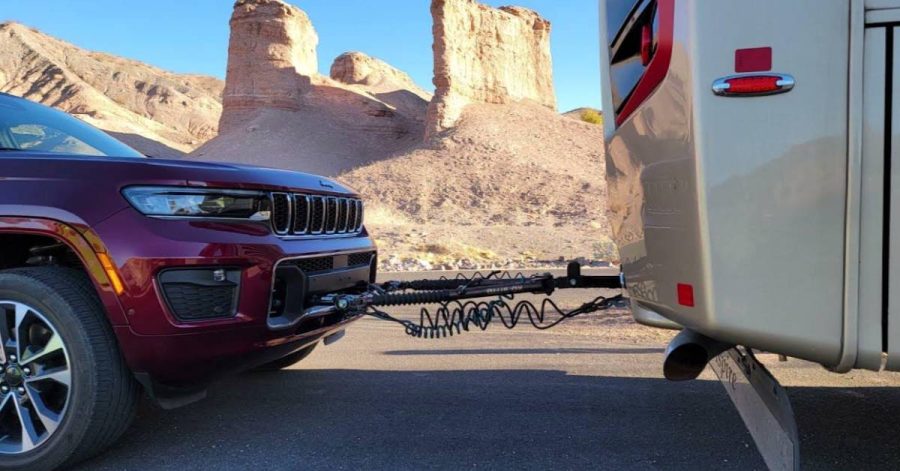
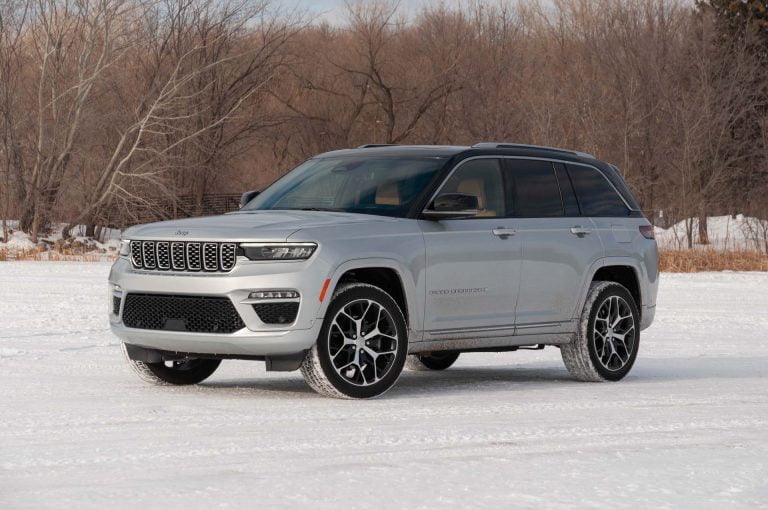
Yes, you can flat tow a Jeep Grand Cherokee. Only 4WD models with specific transfer case systems qualify. Proper setup prevents transmission damage and ensures safe highway travel.


Which Jeep Grand Cherokee Models Support Flat Towing
4WD models only. Your Grand Cherokee must have four-wheel drive to qualify for flat towing. Two-wheel-drive models lack the transfer case neutral required for safe disconnection from the transmission.
Required transfer case systems: Quadra-Trac II, Quadra Drive II, or Command-Trac II with low range. These systems include neutral capability—the mechanism that disconnects your wheels from the transmission. Without this neutral position, flat towing forces the transmission to spin without lubrication, causing bearing failure and repairs costing $3,000-$5,000.
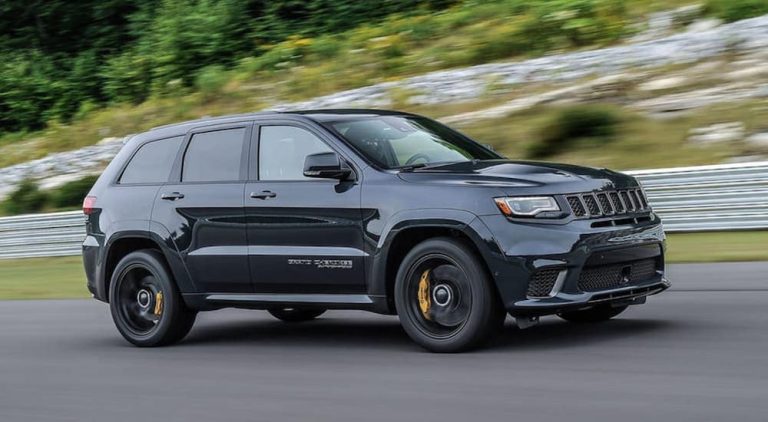
Compatible model years: 2011-2025. The 2011-2021 WK2 generation and 2022-2025 WL generation both support flat towing. Check your vehicle’s window sticker or owner’s manual to confirm your specific 4WD system.
Two-wheel-drive considerations: 2WD models require driveshaft removal, which demands professional disconnection and storage. This process eliminates flat towing’s primary advantage—simplicity and convenience.
How Transmissions and Transfer Cases Work During Flat Towing
Transmission and transfer case positioning differ from what many assume. This distinction prevents catastrophic damage.
Transmission position: PARK. Your transmission must stay in park, not neutral. During flat towing in neutral, the transmission output shaft spins while the internal pump sits inactive. This causes bearing starvation and failure. Park locks the output shaft, preventing rotation and damage.
Transfer case position: NEUTRAL. Your transfer case shifts into neutral, which disconnects the wheels from the transmission entirely. This allows wheels to roll freely behind your motorhome while the transmission stays protected.
The engagement procedure: Locate the small button marked “N” (neutral) on or near your gear shifter. Push and hold this button while the vehicle runs. You’ll see a light indicator activate on your dashboard. After confirmation, turn off the ignition. The transmission goes to park automatically while the transfer case remains neutral—this dual state is correct and necessary.
Verification test: Start the engine and shift into drive. Your wheels should not move because the transmission is in park. Test reverse as well. Turn off the engine. If wheels moved, repeat the neutral engagement procedure until proper positioning is confirmed.
Electronic Steering and Tracking Stability
Grand Cherokees from 2016 onward experienced flat towing issues tied to electronic power steering. Understanding this concern matters for 2016-2025 model owners.
The death wobble issue
When the ignition turns off during towing, the electronic steering control computer also shuts down. This caused the front wheels to lose electronic guidance, resulting in violent shaking of both vehicles during turns. Pre-2015 hydraulic steering systems didn’t experience this because mechanical systems remained responsive without electronic controls.
Jeep’s solution
The manufacturer released a wiring harness designed specifically for 2016-2025 two-row Grand Cherokees. This modification addresses flat towing compatibility concerns. Most new models include this update from the factory. Verify its presence during vehicle purchase if flat towing is your intended use.
Safe operation
Owners who successfully flat tow post-2016 models report that careful tow bar alignment and maintaining level positioning minimize vibration. If violent shaking develops during towing, stop immediately and disconnect the tow bar. Never power through a death wobble—it indicates tracking failure that risks accidents.
Essential Equipment for Flat Towing
Five components comprise a complete flat towing setup: base plates, tow bars, safety cables, lighting, and supplemental braking systems.
Base plates
These metal brackets bolt directly under your Grand Cherokee’s front bumper. Custom designs distribute towing loads across frame mounting points. Installation requires no welding. Cost: $300-$600.
Tow bars
These connect your motorhome’s hitch to the base plate. Select capacity ratings of 10,000-15,000 pounds—exceeding your Jeep’s 4,238-4,784 pound curb weight. Blue Ox and Roadmaster offer quality options. Cost: $400-$1,200.
Safety cables
These provide backup attachment in case primary connections fail. Aircraft-grade interlock designs connect from the motorhome frame to the Jeep frame in alternating patterns. If one fails, the other prevents complete separation. Cost: $50-$150.
Lighting adapters
These connect your Jeep’s taillights to the motorhome’s electrical system. Your brake lights, turn signals, and running lights function through towing vehicle controls. Cost: $100-$200.
Supplemental braking systems
These automatically apply your Jeep’s brakes when the motorhome brakes, preventing dead weight from pushing the entire rig. Legally required in 33 states for vehicles exceeding 3,000 pounds, and in 17 states for 1,000-10,000 pound vehicles.
Portable systems (Blue Ox Patriot, CURT RVibrake) cost $800-$1,200 and sit on your floorboard. Integrated hydraulic systems cost $1,200-$1,800 and provide faster response times.
Total setup cost: $2,000-$3,500, including all components and professional installation.
Step-by-Step Pre-Towing Setup
Follow this procedure every time you prepare for flat towing.
Inside the vehicle:
- Close all doors and fasten your seatbelt
- Insert your key and turn to the “on” position (not started)
- This unlocks your steering column
Air suspension adjustment (if equipped):
- Select normal ride height through your infotainment menu
- This action requires the door to be closed, the seatbelt fastened, and the brake depressed
Transfer case neutral engagement:
- Locate the “N” button near your shifter
- Push and hold until the dashboard light indicator illuminates
- Release the button after confirmation
- You’ll hear a subtle mechanical engagement
Ignition shutdown:
- Turn off the engine
- The transmission is now in park; the transfer case remains in neutral
Verify proper positioning:
- Restart the engine
- Attempt to shift into drive—wheels should not rotate
- Test reverse as well
- Turn off the ignition
Parking brake check:
- Ensure the electronic parking brake is fully disengaged
- Confirm the brake release via the dashboard indicator light
Exterior connections:
- Install safety cables first in an alternating left-to-right pattern
- Insert tow bar pins and secure with clevis pins and safety locks
- Pull on each connection point to verify tightness
Electrical and braking:
- Connect the 6-pin or 7-pin electrical connector
- Test all brake lights, turn signals, and running lights
- Install a supplemental braking system per the manufacturer’s instructions
Pre-highway test:
- Drive 10-20 feet forward
- Watch for brake light illumination from the motorhome
- Confirm rear wheels are rolling
- This takes 10-15 minutes with practice
Critical Safety Considerations
Flat towing puts demands on your motorhome’s braking system that standard towing doesn’t create. Your 4,500-pound Jeep becomes dead weight—it has no engine braking.
Tow bar alignment affects handling directly. An improperly leveled tow bar multiplies lateral forces during cornering and braking. Check alignment with a level tool before your trip and adjust if necessary.
Speed management matters. Keep highway speeds at or below 60 mph. Reduce speed further in crosswinds, rain, or tight curves. Many RVers set a 55 mph speed governor for consistent handling.
Cornering radius increases significantly. A 40-foot motorhome towing a Jeep requires wider turning arcs. Plan route turns in advance and verify clearance on unfamiliar turns.
Tire pressure and braking systems affect safety. Check Jeep tire pressure before towing and ensure all four match sidewall specifications. Underinflated tires create drag and instability. Inspect brake pads and fluid condition—the braking system carries primary responsibility during flat towing.
Death wobble response: If violent shaking develops during towing, stop immediately and disconnect the tow bar. This indicates tracking failure that risks accidents. Contact your Jeep dealer about the electronic steering wiring harness update.
Cost Breakdown and Equipment Comparison
Realistic budgets range from $2,000 for basic setups to $4,500 for premium equipment with professional installation.
Economy setup ($2,000-$2,500):
- Baseplate: $300-$400
- Used or budget tow bar: $400-$600
- Safety cables and hardware: $100-$150
- Lighting wiring: $100
- Portable braking system: $800-$1,000
- DIY installation saves $500-$1,000
Mid-range setup ($2,500-$3,500):
- Quality baseplate: $400-$600
- New tow bar with quick-disconnect: $600-$1,000
- Safety cables and hardware: $150-$200
- Professional-grade lighting: $150-$250
- Integrated brake system: $1,000-$1,300
- Professional installation: $500-$700
Premium setup ($3,500-$4,500):
- Heavy-duty baseplate with skid protection: $600-$800
- Top-tier tow bar with LED lights: $900-$1,500
- Aircraft-grade safety cables: $200-$300
- Complete electrical harness with backup camera wiring: $250-$400
- Wireless proportional braking system: $1,200-$1,500
- Professional installation with alignment: $700-$1,000
Real-world consideration: Many RVers find their motorhome’s factory trailer-tow packages already include heavy-duty components. Your motorhome’s hitch receiver capacity often exceeds what a Jeep requires—the limiting factor is your Jeep’s baseplate and tow bar.
Model-Year-Specific Considerations
2011-2015 Grand Cherokee (WK2 First Generation): Hydraulic power steering systems were standard. Electronic steering issues don’t apply. Many RVers report these as the most trouble-free flat towing experiences. For flat towing, older models offer simplicity advantages.
2016-2021 Grand Cherokee (WK2 Refreshed): Electronic power steering introduced the death wobble issue. Jeep’s wiring harness solution effectively addresses this concern. Most 2016+ models sold today include this modification or can have it installed by dealers.
2022-2025 Grand Cherokee L and WL Generation: Factory wiring modifications designed for flat towing are standard. These models represent the most refined flat towing experience with no known tracking issues. The 4xe hybrid variants (2.0L Turbo PHEV) are fully flat-towable and provide better fuel efficiency than gasoline versions.
Advanced features: Newest models feature adaptive suspension and electronic controls that work seamlessly with flat towing procedures. Air suspension automatically adjusts to towing mode when you engage the flat tow procedure.
State Requirements and Legal Compliance
Flat towing regulations vary across North America. Verify requirements for your home state and any extended travel areas.
Mandatory supplemental brake states (33 states): These require auxiliary braking if your towed vehicle weighs over 3,000 pounds. Your Grand Cherokee exceeds this threshold. Violations carry fines of $100-$500 in most states.
Mandatory braking range states (17 states): These require supplemental brakes for vehicles between 1,000-10,000 pounds.
Areas without legal requirements: Even where regulations don’t mandate supplemental brakes, insurance companies often require them as policy conditions. Safety benefits are non-negotiable—supplemental brakes reduce stopping distances by 25-40% and prevent brake fade on long descents.
Required documentation:
- Jeep title and proof of insurance
- Copy of flat towing procedures from your owner’s manual
- Canadian border crossings require documentation of proper equipment
Troubleshooting Common Issues
Motorhome pulling to one side: Check tow bar alignment for level positioning. A drop hitch or rise hitch may be needed if your motorhome’s hitch height doesn’t match your Jeep’s baseplate.
Excessive vibration or shaking: Verify transfer case is in neutral and transmission is in park. Check that the tow bar pins are fully inserted and locked. Loose connections amplify road imperfections. If vibration persists during turning, this may indicate death wobble—stop and investigate before continuing.
Lights not functioning: Check the electrical connector for corrosion or loose pins. Clean all contacts with electrical contact cleaner if corrosion appears. Verify your motorhome’s electrical system detects the trailer load correctly.
Braking system not engaging: Test whether your motorhome is actually braking. Confirm your portable unit is plugged into 12V power and the indicator lights show activation. For integrated systems, verify brake line connections are tight, and the system is bled of air.
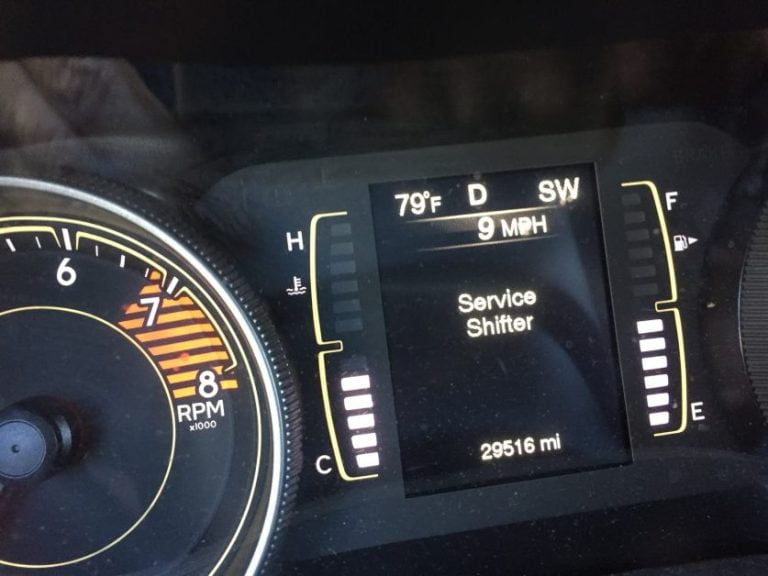
Transmission warning lights after disconnecting: Modern Grand Cherokees occasionally display transmission fault codes after flat towing, even with the correct setup. These typically clear after 10-20 miles of normal driving as the transmission fluid recirculates. If lights persist beyond this, contact your Jeep dealer.
Flat tire while towed: Roadside assistance is required to lower the Jeep and change the tire. Never attempt to drive the motorhome with one flat Jeep tire—asymmetrical loading creates pulling forces that compromise motorhome control.
Long-Term Maintenance After Flat Towing
Regular inspections after towing trips identify wear patterns and damage requiring attention.
Transmission fluid condition: Check fluid color and smell after extended trips. Dark or burned-smelling fluid indicates overheating. Change transmission fluid every 30,000 miles of flat towing for $150-$250. This prevents $3,000+ repairs.
Brake system inspection: Test brakes at normal speeds and check for soft pedal feel. Flat towing demands more of your brakes—inspect pads and rotors for wear every 6 months if you tow regularly.
Tire condition and alignment: Check all four tires for uneven wear. Flat towing can create slight toe-in changes. Have alignment checked annually if you flat tow more than 10,000 miles per year.
Transfer case fluid: Check the level annually and inspect for leaks at the neutral shift mechanism. Unlike transmission fluid, transfer case fluid doesn’t need frequent changes during normal flat towing.
Suspension components: Every 10,000 miles of flat towing, visually inspect suspension components, bushings, and baseplate mounting points for cracks or separation. Flat towing creates different stresses than normal driving.
Planning Your First Flat Tow
Start with confidence in your setup and understanding of procedures. Don’t attempt your first flat tow on multi-day highway trips. Plan a 50-100 mile test drive with your fully-equipped motorhome instead.
Verify that your motorhome’s owner’s manual addresses flat towing compatibility. Some older or lighter motorhomes may not safely handle a 4,500-pound Jeep despite adequate hitch capacity. Weigh your motorhome’s front and rear before towing to confirm balanced loading.
Join RV clubs or online communities focused on flat towing. Experienced RVers share model-specific guidance, equipment recommendations, and troubleshooting solutions. Many regional clubs organize group trips where you can observe other setups and learn from others’ experiences.
Insurance confirmation: Call your insurance agent and specifically confirm that flat towing is covered, that policy limits extend to towed vehicles, and that equipment damage is included. Some policies exclude flat towing entirely—this conversation is essential before your first trip.
Final Summary
Your Jeep Grand Cherokee is genuinely flat-towable when properly equipped and set up. Initial procedures seem complex, but become routine after a few hookup cycles. Thousands of RVers confidently flat tow Grand Cherokees across North America, enjoying the flexibility and simplicity this method provides.
Key points:
- Only 4WD models with Quadra-Trac II or Quadra Drive II are flat-towable
- Transmission stays in park; transfer case goes to neutral (critical distinction)
- Five essential components: baseplate, tow bar, safety cables, lights, and braking system
- Budget $2,000-$3,500 for complete setup with installation
- Post-2015 models may need an electronic steering wiring update
- Supplemental braking is legally required in most states and essential for safety
- Regular maintenance prevents transmission and brake damage
- Test your setup thoroughly before extended trips