How to Change the Battery in Your Jeep Key Fob: Complete Guide

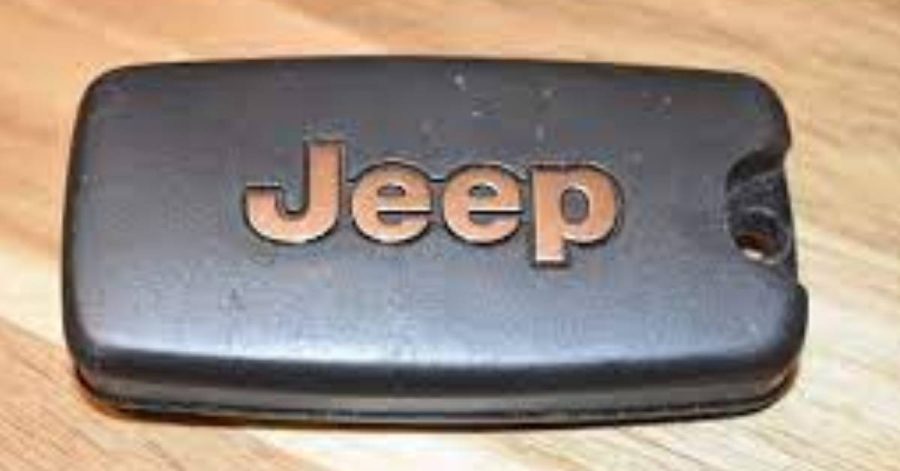
Replacing your Jeep key fob battery takes five minutes and costs $2-10. You avoid dealership charges exceeding $300. This guide shows you exactly what to do.
| Preview | Product | |
|---|---|---|

|
Energizer CR2450 Lithium Battery, 3v ECR2450, Qty 6 | Check Price |

|
DURACELL CR2032 3V Lithium Battery, Child Safety Features, 2 Count Pack, Lithium Coin Battery for… | Check Price |
Identify Your Battery Type
Your Jeep requires a specific battery. Purchase the wrong type, and your fob fails.
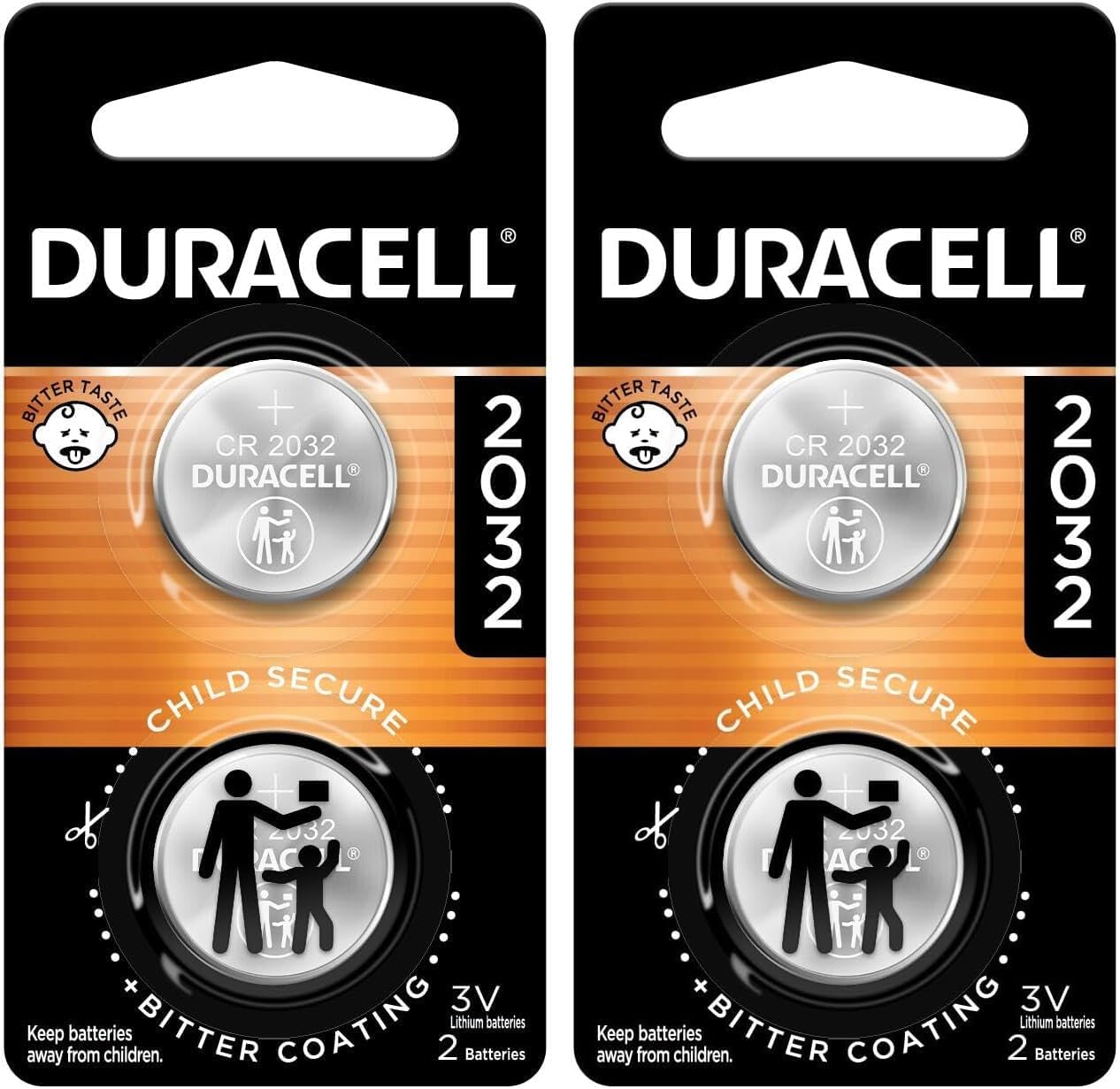
CR2032 batteries fit 2007-2018 Wranglers, 2014-2021 Cherokees, Compasses, and Renegades. This battery measures 20mm in diameter and 3.2mm thick. It stores 240mAh of power.

CR2450 batteries fit 2018+ Wrangler JL, 2019+ Grand Cherokee, Gladiator, and newer Renegades. This battery measures 24.5mm in diameter and 5mm thick. It stores 620mAh of power.
The numbers tell you the exact dimensions. “CR2032” means 20mm diameter and 3.2mm thickness. “CR2450” means 24.5mm diameter and 5.0mm thickness. A CR2032 will not fit in a CR2450 slot.
Check your owner’s manual for your exact battery type. The manual lists battery requirements on the key fob page. You can also look at your current dead fob—the battery type is printed on the back.
Gather Your Tools
You need only a few items to complete this job.
Essential tools:
- Small flathead screwdriver (1.4mm to 2.4mm width)
- Replacement battery
- Plastic pry tool (preferred over screwdriver)
Helpful additions:
- Cotton gloves or lint-free cloth
- Tweezers for precision handling
- Clean workspace
Avoid oversized screwdrivers or excessive force. A loose-fitting tool will slip and damage your fob’s plastic. Patience matters more than strength.
Open Your Key Fob
The case separates with gentle, steady pressure. Rushing causes cracks.
Step 1: Remove the emergency key insert
Press the release button on your fob’s bottom. This button is marked with a key icon. Removal gives you better access to the case seams.
Step 2: Locate the opening seam
Find the seam running around your fob’s edge. Most Jeep fobs have a small indentation or notch at the base, near the key ring attachment point.
Step 3: Insert your tool
Place your flathead screwdriver or pry tool into the indentation. Many fobs feature notches designed to accept your tool’s edge. This makes initial separation easier.
Step 4: Pry the case open
Apply firm, steady pressure. Work around the fob’s circumference like you’re peeling an orange. Reposition your tool frequently. This distributes the opening force across multiple fastening points.
Never twist the screwdriver or force the case. Forcing causes cracks in plastic and bends internal components. Stop if resistance increases. Reposition your tool instead of pushing harder.
See more: How to Open Mini Cooper Key Fob?
Remove and Replace the Battery
Opening reveals your battery and circuit board. Handle the battery only.
Step 1: Verify battery orientation
Before touching anything, note which direction the battery faces. On most newer Jeeps (CR2450), the positive side faces upward. On some older models (2007-2018 Wrangler), the positive side faces downward.
Take a photo of the battery’s position. This reference prevents installation errors.
Step 2: Remove the old battery
Use your screwdriver tip, tweezers, or fingernail to pop the battery out. If metal clips hold the battery, gently lift it. If a sliding metal catch secures the battery, move the catch first.
Avoid scraping the battery on circuit board contacts. Damaged batteries leak electrolyte onto internal components.
Step 3: Install the new battery
Hold your new battery with the correct orientation. Insert one edge first. Press down gently until the battery seats under the retaining clips.
You’ll feel slight resistance as the battery settles. This confirms proper seating.
Step 4: Wipe the battery
Never touch battery contacts with bare fingers. Oils and salts from skin accumulate on contacts and reduce electrical conductivity. If you’ve already touched the battery, wipe it with a clean, lint-free cloth before final installation.
Reassemble Your Fob
Careful reassembly prevents internal damage.
Step 1: Verify internal layout
Confirm all internal components sit correctly before snapping the case shut. Rubber seals should rest on top of the battery. Buttons on the opposite side should not be bent or misaligned.
Take another reference photo if you’re unsure.
Step 2: Align and close the case
Look for tabs or notches that guide alignment. Press firmly around the entire perimeter. Work your way around like you did when opening it.
You’ll hear and feel small clicks as fasteners engage. Pay special attention to corners and the seam where the key ring attaches—these spots need firm pressure to seat fully.
Step 3: Test the fob
Press each button and confirm responsive operation. Buttons should feel firm and produce a clicking sensation. If buttons feel soft or unresponsive, the case isn’t fully closed. Open it again and reseat the halves.
Avoid These Mistakes
Wrong moves damage your fob permanently.
Wrong battery orientation causes failure. Install a CR2032 with its negative side up when you should install it positive side up, and your fob won’t send signals. The battery makes contact, but electrical polarity reverses. Signals cannot transmit with reversed polarity. Always verify orientation before final installation.
Excessive force cracks plastic. Applying force beyond gentle pressure causes hairline cracks that spread over time. These cracks may seem invisible initially but create weak points where the case separates. Moisture enters through cracks, corroding internal circuitry. Work slowly and reposition your tool frequently rather than applying more pressure.
Disturbing internal wiring disables the fob permanently. The circuit board contains programming that links your fob to your vehicle. Pulling it loose erases that connection, requiring professional reprogramming at a dealership ($50-150 in programming fees). Handle the battery only. Don’t touch antenna wires, resistors, or other components inside.
Using incorrect battery types creates problems. A CR2032 in a CR2450 slot won’t sit flush and makes poor contact. Power delivery fluctuates, causing intermittent operation. Always confirm your exact model year before purchasing.
Touching battery contacts with bare hands deposits harmful oils. Over weeks, oils oxidize on metal surfaces. This oxidation layer reduces electrical conductivity. Your fob works initially but gradually becomes unreliable. Wear gloves or use cloth when handling new batteries.
Installing old or cheap batteries causes problems. Budget batteries from unknown suppliers often ship partially discharged or with manufacturing defects. Intermittent operation results even in properly assembled fobs. Quality coin cells from Duracell, Energizer, or OEM manufacturers maintain stable voltage. The cost difference is minimal—$2-8 for quality batteries—but reliability differences are significant.
Troubleshoot If Your Fob Doesn’t Work
Follow these steps if your fob fails after battery replacement.
Check battery orientation first. Open the fob again. Verify that your battery’s positive side faces the correct direction. Flip it if reversed. This solves roughly 40% of post-replacement failures.
Clean battery contact surfaces. Over months, light corrosion builds on contact points, creating resistance. Dip a cotton swab in isopropyl alcohol and gently wipe the two metal clips that press against your battery. Do this while the fob is open. Allow everything to dry completely before reassembling.
Check battery contacts for looseness. Some fobs have adjustable prongs that clip over the battery’s edge. If prongs have bent downward, they won’t make solid contact. Gently lift each prong slightly forward using a fingernail or small tool. Reseat the battery afterward. This adjustment restores contact pressure without requiring battery replacement.
Resync your fob with your vehicle. Newer Jeeps (2014 onward) sometimes lose synchronization when the battery disconnects. Sit in your vehicle with all doors closed. Simultaneously press your fob’s lock and unlock buttons, holding them for 5 to 10 seconds. If your Jeep’s lights flash, synchronization succeeded.
For push-button start models (2019+ Grand Cherokee), hold the fob near the start button and cycle the ignition instead.
Use quality replacement batteries. If you installed a budget battery and experience intermittent operation, replace it with a battery from Duracell, Energizer, or your vehicle’s manufacturer. Some off-brand batteries ship depleted or with internal defects that cause poor electrical output.
Contact your dealership for persistent issues. Intermittent operation persists across multiple batteries and careful reinstallation in rare cases. This indicates a problem with your vehicle’s receiver, not the fob. Your Jeep should still start using the physical key or by pressing the key against the push-button start sensor. Contact your dealership if troubleshooting steps fail.
DIY vs. Dealership Costs
DIY replacement saves significant money.
DIY battery replacement costs $2-10 for the battery. You likely already own a flathead screwdriver, eliminating tool costs. Total investment is roughly $5. The task takes under five minutes.
Dealership battery replacement costs $5-25, depending on location. Some dealerships offer battery replacement for free when you bring in your vehicle. However, an appointment and travel time represent hidden costs.
Full fob replacement at a dealership costs $150-500. A basic replacement fob runs $179-199. Laser-cutting the emergency key costs $50. Programming adds another $50-100. The total typical dealership cost is $280-400.
DIY battery replacement costs $5. Full dealership fob replacement costs $280-400. You save $275-395 by replacing the battery yourself.
How Often to Replace the Battery
Lifespan depends on usage and battery quality.
Typical replacement intervals are 12 to 24 months. Your fob’s battery drains every time you press a button. Heavy use exhausts batteries faster than occasional use. Users who press their fob 20+ times daily need replacement sooner.
Warning signs appear before complete failure. Range decreases—you need to stand closer to your Jeep for buttons to respond. Your vehicle displays a “key battery low” message on the dashboard. Buttons respond inconsistently, working sometimes but not others.
Quality batteries last longer than budget alternatives. Duracell and Energizer batteries maintain rated capacity for their full shelf life. Budget batteries often ship partially discharged or degrade quickly, requiring replacement in 6-12 months. The extra $3-5 for quality batteries pays for itself through extended lifespan.
Replace batteries at the first sign of range loss or intermittent operation. A fully dead battery in an inconvenient location creates genuine stress. Proactive replacement prevents this scenario.
Model-Specific Information
Different Jeep generations have minor variations.
2007-2018 Wrangler uses CR2032 batteries with the positive side facing downward during installation. The prying technique is standard—look for the indentation at the base and work around the case perimeter. Reassembly requires firm pressure, particularly where the key ring attaches.
2014-2021 Cherokee features an opening method using your emergency mechanical key. Insert the key into the small slot designed for this purpose and gently twist. This method avoids scratches that a screwdriver might cause. Once open, remove the CR2032 battery using the standard technique.
2018+ Wrangler JL and Gladiator use CR2450 batteries, which are noticeably thicker than CR2032s. Battery compartments sit deeper. When installing your CR2450, ensure it seats completely under the retaining clips. Incomplete seating leaves gaps that prevent secure reassembly.
2019+ Grand Cherokee with push-button start sometimes includes additional protective covers over the battery compartment. Older Grand Cherokees (2014-2018) use direct battery access. Review your model year before disassembly. If you encounter an unexpected metal or plastic cover, gently remove it and set it aside. These covers prevent accidental contact but don’t require tools to remove.
Compass and Renegade models (2015+) use CR2032 batteries accessed through straightforward side-prying. These compact fobs have less internal space. Work extra carefully to avoid shifting the circuit board or internal springs.
Some rare Jeep fobs contain small metal springs inside the battery compartment. These springs hold the battery in place against spring tension. Note the spring’s position before removing the battery. During reassembly, slide the battery under the springs—they won’t snap over it as clips do. Compress the spring slightly using your tool if needed.
Key Success Tips
Follow these practices for reliable results.
Take reference photos before opening your fob, showing battery orientation and internal layout. These images become invaluable if components shift. A simple photo prevents hours of troubleshooting.
Buy quality batteries from established manufacturers, not unknown sellers. Duracell, Energizer, and vehicle OEM batteries cost $2-3 more but deliver reliability that generic batteries don’t match. Cheap batteries create false warnings and intermittent operation, negating your time savings.
Work slowly and patiently. This task rewards deliberation over speed. Rushing increases the risk of forcing the case and cracking the plastic. You’ll spend more on fob replacement than you saved on labor.
Don’t disturb internal electronics. Your focus remains entirely on the battery compartment. Internal wiring, resistors, and the circuit board never need touching. Avoid them completely.
Test your fob immediately after reassembly. Press each button and confirm responsive operation. If buttons feel mushy or unresponsive, the case isn’t fully seated. Open it again and reseat the halves before use.
Replacing your Jeep key fob battery transforms a dead remote into a fully functional unit. Use five minutes and basic tools. Follow these steps, avoid common mistakes, and you’ll never pay dealership fees for simple battery replacement again.