
Is the Jeep EcoDiesel Reliable? What Owners Need to Know

The Jeep EcoDiesel’s reliability depends heavily on model year and generation. First-generation models (2014-2016) suffer from high failure rates and expensive repairs, while third-generation engines (2020-2023) deliver significantly improved reliability with 80% redesigned components. Expect 200,000-300,000 miles with proper maintenance, though repair costs often exceed $5,000 when major components fail.
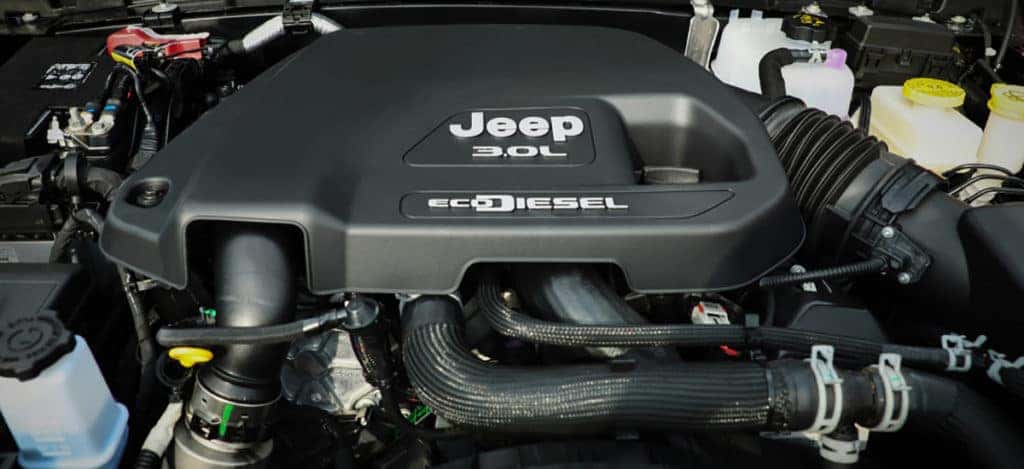
credit: www.kendalldodgechryslerjeepram.com
Understanding EcoDiesel Generations
Stellantis produced three distinct EcoDiesel generations across nine model years. Each iteration addressed previous failures with varying success. Generation 1 engines (2014-early 2016) earned the worst reputation through oil cooler failures, EGR cooler cracks, and catastrophic engine damage. Generation 2 (late 2016-2019) incorporated minor improvements but retained fundamental design flaws. Generation 3 (2020-2023) rebuilt 80% of engine components, delivering the most dependable version yet.
The original VM Motori design produced 240 horsepower and 420 pound-feet of torque through a high-pressure EGR system that frequently failed. Third-generation engines increased output to 260 horsepower and 480 pound-feet while implementing dual low-pressure and high-pressure EGR systems that reduce carbon buildup. A redesigned crankshaft, lighter block, and variable geometry turbocharger with lower friction bearings address earlier bottom-end failures.
These improvements matter. Owners researching what transmission is in the Jeep Gladiator will find the ZF 8HP75 automatic paired with EcoDiesel engines from 2021-2023, handling the diesel’s 442 pound-feet of torque compared to the gasoline V6’s 260 pound-feet.
Most Common EcoDiesel Problems
Oil Cooler Failure
Oil cooler failures plagued 2014-2016 models under heavy towing or mountainous driving conditions. When coolers fail, engine oil mixes with coolant, contaminating the entire cooling system and accelerating internal engine wear. Symptoms include rising engine temperatures, visible oil in the coolant reservoir, black exhaust smoke, and performance degradation.
Repair costs range from $1,500 to $3,000 for cooler replacement plus complete cooling system flushing. Fiat Chrysler settled a class-action lawsuit extending warranties to 10 years or 120,000 miles for affected models. Aftermarket coolers like the CFT Performance unit offer superior reliability compared to OEM replacements.
EGR Cooler Cracks and Engine Fires
The EGR cooler represents the most dangerous failure mode across all EcoDiesel engines. Cracks develop in the cooler, leaking coolant directly into the intake manifold. Severe cases cause engine hydrolock and complete engine failure, requiring $15,000 to $25,000 replacements. White exhaust smoke, coolant loss, rough idle, and check engine lights signal impending failure.
Multiple owners reported engine fires from EGR cooler failures. Fiat Chrysler knew about cracking issues since 2014, but delayed issuing a recall until October 2019. A Quebec class-action lawsuit targets this delayed response. Generation 3 engines reduce—but don’t eliminate—EGR cooler problems through redesigned dual-pressure systems that minimize carbon accumulation.
High-Pressure Fuel Pump Destruction
All EcoDiesel generations use the Bosch CP4.2 high-pressure fuel pump designed for European diesel formulations with higher lubricity. American diesel fuel lacks sufficient lubrication, causing pumps to self-destruct internally. Metal shavings circulate through the entire fuel system, destroying injectors and fuel lines.
Symptoms include sudden power loss while driving, fuel leaks, hard starting, and rough idle. Complete fuel system replacement costs $8,000 to $15,000. Stellantis recalled approximately 60,000 vehicles for fuel pump replacement. Buyers comparing Jeep Gladiator Overland vs Rubicon with EcoDiesel options should budget for high-quality fuel additives that increase lubricity and extend pump life.
Timing Chain and Camshaft Issues
First-generation engines experienced timing chain stretch and camshaft gear slipping, particularly at high mileage. Neglected oil changes or oil contamination from failed coolers accelerate wear. Symptoms include engine rattle on startup, rough idle, misfires, and check engine lights. In extreme cases, slipping camshaft gears cause valves to collide with pistons, resulting in catastrophic failure requiring complete engine rebuilds costing $15,000 to $25,000.
Third-generation engines addressed these concerns with redesigned timing gear setups. However, owners must maintain oil change intervals every 5,000 to 8,000 miles rather than the manufacturer-recommended 10,000 miles to prevent premature wear.
Reliability by Model Year
Avoid 2014 and 2015 models entirely unless heavily discounted with extended warranty coverage. These first-year engines experience the highest failure rates across all problem areas. Oil cooler failures, EGR cooler cracks, and fuel pump issues occur most frequently in this generation.
Model year 2016 showed moderate improvements as Fiat Chrysler addressed some oil cooler design flaws. However, EGR cooler problems persisted through 2019. Years 2017-2019 represent marginal upgrades over earlier models but retain fundamental reliability concerns.
Generation 3 engines (2020-2023) deliver the best reliability through comprehensive redesigns. The 80% new parts include a strengthened crankshaft, improved EGR systems, and enhanced cooling capacity. While CP4 fuel pump risks remain, overall failure rates dropped significantly. Owners seeking how much can a Jeep Gladiator tow will find EcoDiesel-equipped trucks rated at 6,500 pounds compared to 7,700 pounds for gasoline V6 models.
| Year Range | Generation | Reliability Rating | Key Issues |
|---|---|---|---|
| 2014-2016 | Gen 1 | 2/10 | Oil cooler, EGR cooler, fuel pump |
| 2017-2019 | Gen 2 | 4/10 | EGR cooler, fuel pump, timing chain |
| 2020-2023 | Gen 3 | 6/10 | Fuel pump, occasional EGR issues |
High-Mileage Performance and Longevity
EcoDiesel engines reach 200,000 to 300,000 miles with proper maintenance despite reliability concerns. Multiple owners report exceeding 280,000 miles on original engines and transmissions. One 2014 Ram 1500 documented 450,000 kilometers (280,000 miles) without major repairs beyond routine maintenance and recall work.
Common factors among high-mileage success stories include frequent towing that keeps diesel particulate filters regenerating properly, predominantly highway driving rather than city stop-and-go, oil changes every 5,000 to 8,000 miles, and strict adherence to warmup and cooldown periods. Many high-mileage owners tune and delete emissions equipment—an illegal modification that dramatically improves reliability by removing failure-prone EGR and DPF systems.
Owners report consistent 25-30 mpg highway fuel economy and 700-mile range per tank. This efficiency advantage partially offsets higher repair costs compared to gasoline alternatives.
Critical Maintenance Requirements
Standard maintenance intervals prove insufficient for EcoDiesel longevity. Oil changes must occur every 5,000 to 8,000 miles using high-quality synthetic diesel oil rated 5W-40. Manufacturers recommend 10,000-mile intervals, but shortened schedules prevent timing chain stretch and bearing wear.
Add fuel additives at every fill-up to increase diesel lubricity and protect CP4 fuel pumps. Change fuel filters every 20,000 to 30,000 miles—more frequently if using lower-quality diesel. Monitor DEF levels and use only high-quality diesel exhaust fluid to prevent sensor failures and system contamination.
Driving habits significantly impact reliability. Schedule at least one 30-minute highway drive weekly to regenerate the diesel particulate filter. Short city trips below normal operating temperature clog DPF systems, triggering check engine lights and reducing power. Allow engines to warm up before heavy acceleration and idle for 2-3 minutes after towing or spirited driving to cool turbochargers properly.
Emissions Lawsuit and Extended Warranties
Fiat Chrysler settled a $307 million emissions cheating lawsuit in May 2019 affecting 100,000 vehicles. The company admitted installing eight defeat devices that disabled emissions controls during normal driving to improve fuel economy, range, and performance. Affected 2014-2016 Ram 1500 and Jeep Grand Cherokee owners received $3,075 payouts for current owners or $990 for former owners.
The settlement included free emissions software updates and extended warranties covering emissions components for 10 years or 120,000 miles from the original sale date. This extended coverage protects against EGR cooler, DPF, and DEF system failures—the most expensive repair categories. Buyers purchasing used EcoDiesel vehicles should verify settlement participation and remaining warranty coverage before purchase.
DPF Regeneration and City Driving Challenges
Diesel particulate filters require regular high-temperature regeneration to burn accumulated soot. City driving and frequent short trips prevent filters from reaching regeneration temperatures, causing clogging that reduces power and triggers check engine lights. Cleaning clogged filters costs $500 to $1,500, while replacement runs $2,000 to $3,500.
EcoDiesel engines suit highway commuters and towing applications better than urban drivers. If daily driving involves routes under 10 miles with frequent stops, gasoline engines prove more reliable and cost-effective. Buyers researching best choice Jeep upgrades should prioritize extended highway trips if selecting EcoDiesel powertrains.
Comparison to Competitors
Mercedes OM642 diesel engines deliver superior reliability through simpler emissions systems and more conservative tuning. Toyota diesel powertrains in overseas markets consistently outperform EcoDiesel in longevity studies. Ford’s 3.0-liter Power Stroke diesel and GM’s 3.0-liter Duramax both match or slightly exceed EcoDiesel reliability while offering similar fuel economy and performance.
The EcoDiesel’s primary advantage lies in availability across Jeep’s off-road-capable lineup. No competitor offered diesel power in vehicles matching the Grand Cherokee or Gladiator’s off-road capabilities until recent Ford Bronco diesel rumors. Buyers prioritizing reliability over capability should consider gasoline alternatives or competitor diesel trucks.
Should You Buy an EcoDiesel?
Purchase 2020-2023 third-generation models if your driving profile includes regular highway commutes exceeding 30 minutes, frequent towing within the 6,500-pound capacity, annual mileage exceeding 15,000 miles, and budget flexibility for $5,000 to $15,000 repair contingencies. Secure extended warranty coverage beyond factory coverage to mitigate catastrophic failure costs.
Avoid EcoDiesel engines if your driving consists primarily of short city trips, you require maximum reliability without repair concerns, you’re considering 2014-2016 models without extended warranties, or you can’t absorb unexpected major repairs. Gasoline V6 alternatives deliver adequate power with significantly lower repair costs and complexity.
The EcoDiesel offers impressive fuel economy and torque for towing applications. However, repair costs and failure rates exceed gasoline alternatives across all generations. Third-generation engines represent the best option, though they still carry a higher risk than competitors’ diesel offerings or Jeep’s gasoline powertrains.