
What Do Jeep Dashboard Lights Mean? Quick Color Guide

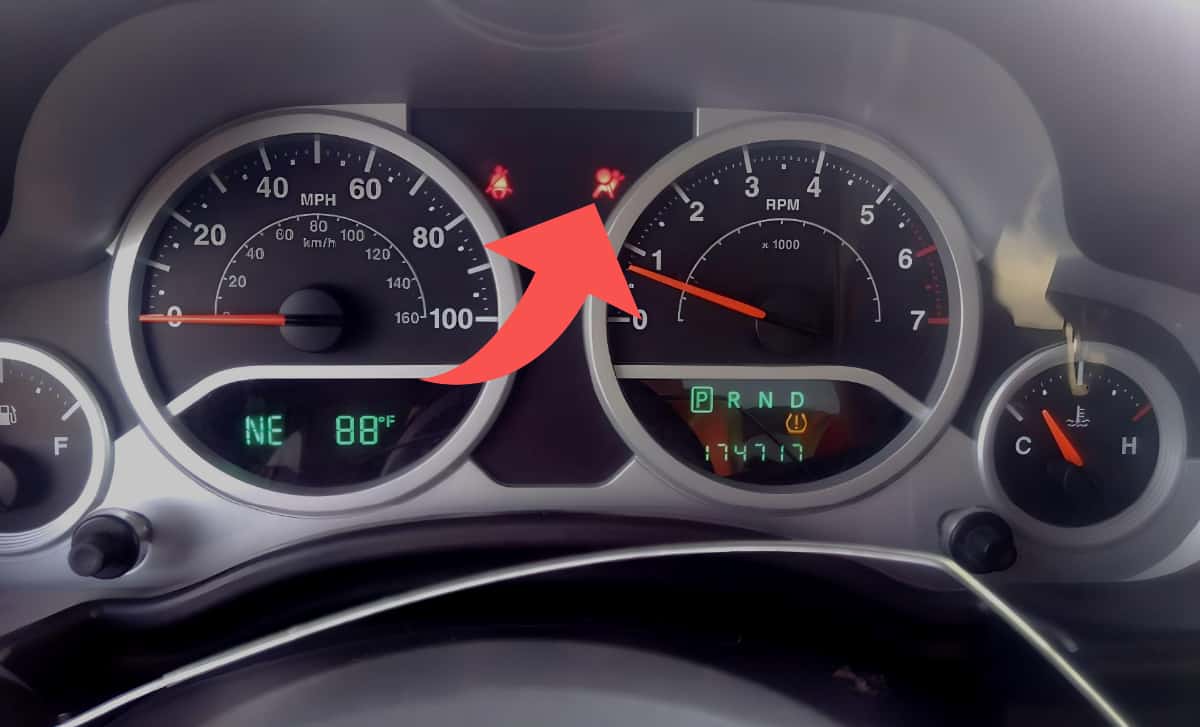
Dashboard lights are your Jeep’s way of communicating critical information about its systems and performance. Whether you’re driving a rugged Wrangler or a family-friendly Compass, understanding these visual alerts can prevent costly repairs and keep you safe on the road.
Jeep dashboard lights follow a universal color-coded system that makes prioritizing your response simple: red lights demand immediate action, yellow lights need attention soon, and green or blue lights are purely informational. Learning this system helps you make quick decisions about whether it’s safe to continue driving or if you need to pull over right away.
Red Lights – Stop and Act Immediately
Red dashboard lights indicate urgent safety threats that require immediate attention. When you see a red light, pull over as soon as safely possible and avoid driving until the issue is resolved.
The most critical red warning lights include:
- Brake warning light: Often displays “BRAKE” text or a red circle with an exclamation point
- Engine overheating: Shows a red thermometer or temperature gauge
- Oil pressure warning: Displays a red oil can icon
- Battery/charging system: Shows a red battery symbol
- Power steering failure: Indicates loss of power assist
These warnings signal problems that can cause immediate vehicle breakdown, engine damage, or safety hazards. For example, ignoring an overheating warning can warp your engine block, while a brake system failure puts you and other drivers at risk.
Action required: Do not ignore red lights. Contact a mechanic the same day or avoid driving entirely. If you experience a 2012 Jeep Wrangler misfire or similar engine problems, red warning lights often accompany these serious issues.
Yellow/Orange Lights – Schedule Service Soon
Yellow or orange dashboard lights indicate caution situations. While usually safe to finish your current trip, these warnings mean you should schedule service within days to prevent more serious problems.
Common yellow warning lights include:
- Check engine light (steady): Emissions or engine management issue detected
- Tire pressure monitoring system (TPMS): Low tire pressure warning
- ABS light: Anti-lock brake system malfunction
- Electronic Stability Control (ESC): Traction control system issue
- Maintenance required: Scheduled service reminder
The distinction between flashing and solid lights is crucial. A steady check engine light typically indicates a minor emissions problem, while a flashing check engine light means active engine misfiring—treat this as urgently as a red light and pull over immediately to prevent catalytic converter damage.
If your Jeep enters limp mode along with yellow warning lights, learn how to get your Jeep Compass out of limp mode to safely address the issue.
Action required: Steady yellow lights mean schedule service within a few days. Flashing yellow lights require immediate attention—pull over and seek help right away.
Green & Blue Lights – System Status Updates
Green and blue lights are purely informational, confirming that various systems are working correctly. These require no action from you—just acknowledgment that a feature is active.
Green indicator lights include:
- Turn signals: Green arrows showing left or right
- Fog lights: Green beam symbols
- Cruise control: Green “CRUISE” text or speedometer icon
- 4WD active: Confirms four-wheel drive engagement
Blue indicator lights typically show:
- High beam headlights: Blue headlight symbol
- Auxiliary lighting: Additional light systems are activated
These lights simply keep you informed about which features you’ve activated. They’ll turn off automatically when you deactivate the corresponding system or complete your turn.
Whether you’re considering the best Jeep Wrangler for daily driving or already own one, understanding that green and blue lights are normal operational indicators helps reduce unnecessary concern.
Master Warning Light & What It Means
The master warning light—typically a triangle with an exclamation point—indicates that your Jeep’s computer has detected one or more problems. This light rarely appears alone and usually pairs with another specific warning light for context.
For example:
- Master warning + battery icon = charging system problem
- Master warning + brake symbol = brake system malfunction
- Master warning + engine symbol = powertrain issue
The master warning light essentially acts as an attention-getter, ensuring you notice the accompanying specific warning. Always check what other lights are illuminated to determine the actual problem and appropriate response level.
Action required: Get your vehicle inspected promptly. The urgency depends on what other warning light appears alongside it—red companion lights mean immediate action, while yellow companion lights allow time for scheduled service.
Regular maintenance can prevent many warning light situations. Understanding how much a Jeep Wrangler oil change costs helps you budget for preventive care that keeps warning lights at bay.
Your Quick Decision Guide
Remember the color code system: Red means pull over now, yellow means schedule service soon, and green or blue means relax—it’s just informational. When multiple lights appear together, prioritize based on the most urgent color present.
Modern Jeeps are designed to communicate clearly with their drivers, and Jeep Wranglers are generally reliable vehicles when properly maintained. Warning lights are simply your vehicle’s way of helping you maintain that reliability through timely attention to emerging issues.
When in doubt, consult your owner’s manual for model-specific symbols or contact a certified Jeep service center for professional diagnosis.