
What Is a Jeep XJ? The Complete Beginner’s Guide to the Iconic Cherokee

A Jeep XJ is the internal code name for the Jeep Cherokee built from 1984 to 2001 model years in the U.S., a compact SUV that used a unibody chassis instead of the traditional body-on-frame truck layout. In simple terms, when enthusiasts say “XJ,” they usually mean the square-body Jeep Cherokee that became a legend for its durability, off-road capability, and simple mechanical design.
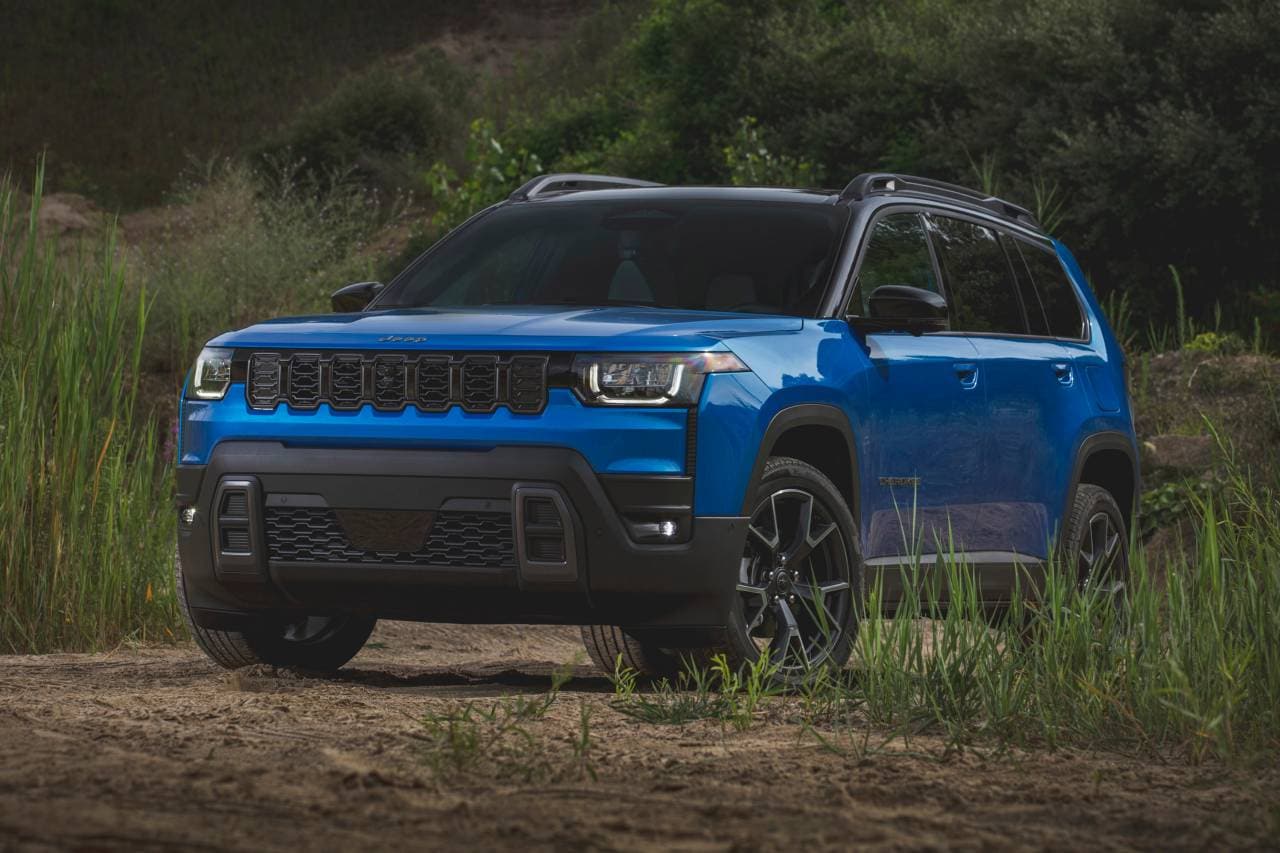
credit: www.edmunds.com
Jeep XJ Basics and Definition
In Jeep language, letters like XJ, YJ, TJ, or MJ are platform codes that identify a specific generation and chassis design. The XJ code refers to the compact Jeep Cherokee unibody platform that replaced the earlier, full-size, body-on-frame Cherokee known as the SJ.
- The Jeep Cherokee XJ is a front‑engine, rear‑ or four‑wheel‑drive SUV sold primarily from 1984 to 2001 in North America and later in other markets up to 2014.
- It was offered in both two‑door and four‑door body styles, each seating up to five passengers.
- Enthusiasts often use “XJ” as shorthand: “I daily an XJ,” or “That XJ has a 4.0 and a lift.”
Compared with many SUVs of its time, the XJ was relatively compact, light, and boxy, which helped visibility on trails and made it easy to park in cities.
Brief History of the Jeep Cherokee XJ
The XJ marked a major shift in how SUVs were engineered and marketed.
- American Motors Corporation (AMC) developed the Cherokee XJ, and it was introduced for the 1984 model year.
- Production in the United States continued through the 2001 model year, while some international factories built XJs into the 2010s.
- It was produced in several locations, including Toledo (Ohio, USA), Beijing (China), Ferreyra (Argentina), and Valencia (Venezuela).
The XJ is often described as one of the first modern crossover-style SUVs, combining passenger‑car comfort with genuine 4×4 hardware. Its success helped push SUVs into the mainstream and influenced decades of later designs.
Chassis, Unibody Design, and 4×4 Hardware
Most earlier Jeeps and SUVs used a body‑on‑frame layout, with the body bolted to a separate ladder frame like a pickup truck. The XJ broke that pattern.
- The Cherokee XJ used a unibody (monocoque) structure, meaning the body and chassis formed one integrated shell.
- This approach reduced weight, improved stiffness, and helped ride quality compared with traditional truck‑based designs.
- Despite being lighter, the XJ still offered solid front and rear axles in 4×4 versions, which many off‑roaders prefer for strength and articulation.
The combination of unibody construction with proven Jeep 4×4 systems made the Cherokee XJ both tough and relatively refined for its era.
Engines, Drivetrains, and Key Specs
Across its long run, the XJ received several engines and drivetrain options.
Common engines included:
- 2.5‑liter AMC inline‑four gasoline engine, typically around 105–130 horsepower depending on year and fuel system.
- 2.8‑liter Chevrolet V6 in early years, around 110–115 horsepower.
- 4.0‑liter AMC inline‑six, the most famous XJ engine, with outputs climbing from roughly 173 horsepower to about 190+ horsepower in “High Output” trims during the 1990s.
- Regional diesel options, including a 2.1‑liter Renault turbodiesel and a 2.5‑liter VM Motori turbodiesel, are used mainly outside the U.S.
Transmissions included manual gearboxes as well as automatic units paired with rear‑wheel drive or selectable four‑wheel drive systems like Command‑Trac and Selec‑Trac. These systems allowed drivers to choose between 2H for regular driving and 4H/4L for slippery or off‑road conditions.
Why the XJ Became an Off‑Road Favorite
Many drivers still consider the XJ one of the best “starter” off‑road rigs.
- The boxy body gives excellent sight lines over the hood and around obstacles on the trail.
- Solid axles, good approach and departure angles, and a relatively short wheelbase give it capable stock off‑road performance.
- Parts availability is strong, and the underlying mechanical layout is comparatively simple, which keeps maintenance and modification accessible for DIY owners.
When lifted with bigger tires and upgraded suspension, a two‑door XJ gets even more agile because its wheelbase is about 8 inches shorter than the four‑door version, improving breakover angle and turning radius on tight trails. That mix of practicality and trail ability is a core reason the XJ has such a loyal fan base.
Everyday Use, Comfort, and Practicality
The XJ was designed to be more than a trail toy; it functioned as a family SUV and commuter vehicle.
- It provides seating for five, fold‑down rear seats, and a relatively large cargo area for its footprint.
- Compared with older full‑size Jeeps, the XJ offered better fuel economy and more car‑like handling thanks to its lighter unibody construction.
- Later models added more comfort and convenience features, and official right‑hand‑drive sales expanded to markets like the UK in the early 1990s.
That balance—easy to drive daily, yet serious off‑road—helped it appeal to both families and enthusiasts, especially in the 1990s SUV boom.
Common Trims, Variants, and the MJ Pickup
Over the years, Jeep sold the XJ platform under several trims and related models.
- Cherokee XJs appeared as base models, Sport, Country, Limited, and other market‑specific trims, each with different equipment and styling details.
- Both two‑door and four‑door versions used the XJ chassis and shared most mechanical components.
- The Jeep Comanche (MJ) pickup truck used the XJ platform, adapting the same unibody front section with a frame extension under the bed.
Enthusiasts sometimes refer to the broader “XJ platform” to include both the Cherokee SUV and the Comanche pickup because of their shared engineering.
Why Enthusiasts Still Love the Jeep XJ Today
Even decades after production ended, prices and demand reflect how much people still value the XJ.
- Many owners appreciate its straightforward mechanical design, which avoids the heavy electronics and complex driver‑assist suites of modern SUVs.
- Nostalgia plays a major role; the XJ represents an era where SUVs focused on function, rugged styling, and simple interiors rather than screens and luxury trim.
- The strong aftermarket and online communities make it easy to find lift kits, armor, bumpers, and engine or axle upgrades.
Because of this, a clean, largely rust‑free Cherokee XJ is now viewed by many buyers as a future classic off‑roader—something you can still drive and modify while it slowly becomes more collectible.
Should You Care About the XJ Code?
If you are shopping, wrenching, or just learning Jeep terminology, understanding “XJ” helps you communicate clearly.
- Saying “Jeep XJ” immediately identifies the 1984–2001 Cherokee generation, which avoids confusion with later Cherokees that share the name but are built on different platforms.
- Many online guides, parts catalogs, and forums label components and provide advice specifically for XJs, so using the code helps you find accurate information.
- For enthusiasts, the XJ label carries an implied package of traits: square body, unibody chassis, solid axles, and the legendary 4.0‑liter straight‑six in many examples.
So, a Jeep XJ is more than a name—it’s shorthand for a particular era of Cherokee that blended compact size, serious 4×4 hardware, and everyday usability in a way that still resonates with drivers today.
