
What Is a TIPM on a Jeep? Complete Guide to Jeep’s Power Module

A TIPM (Totally Integrated Power Module) is a complex fuse and relay box that controls all electrical functions in Jeeps, Dodge, Chrysler, and RAM vehicles manufactured from 2007 to 2015. This electronic brain manages everything from fuel pumps to lights and windows, replacing traditional fuse boxes with sophisticated computer-controlled circuits that make vehicles more efficient but also more vulnerable to expensive failures.
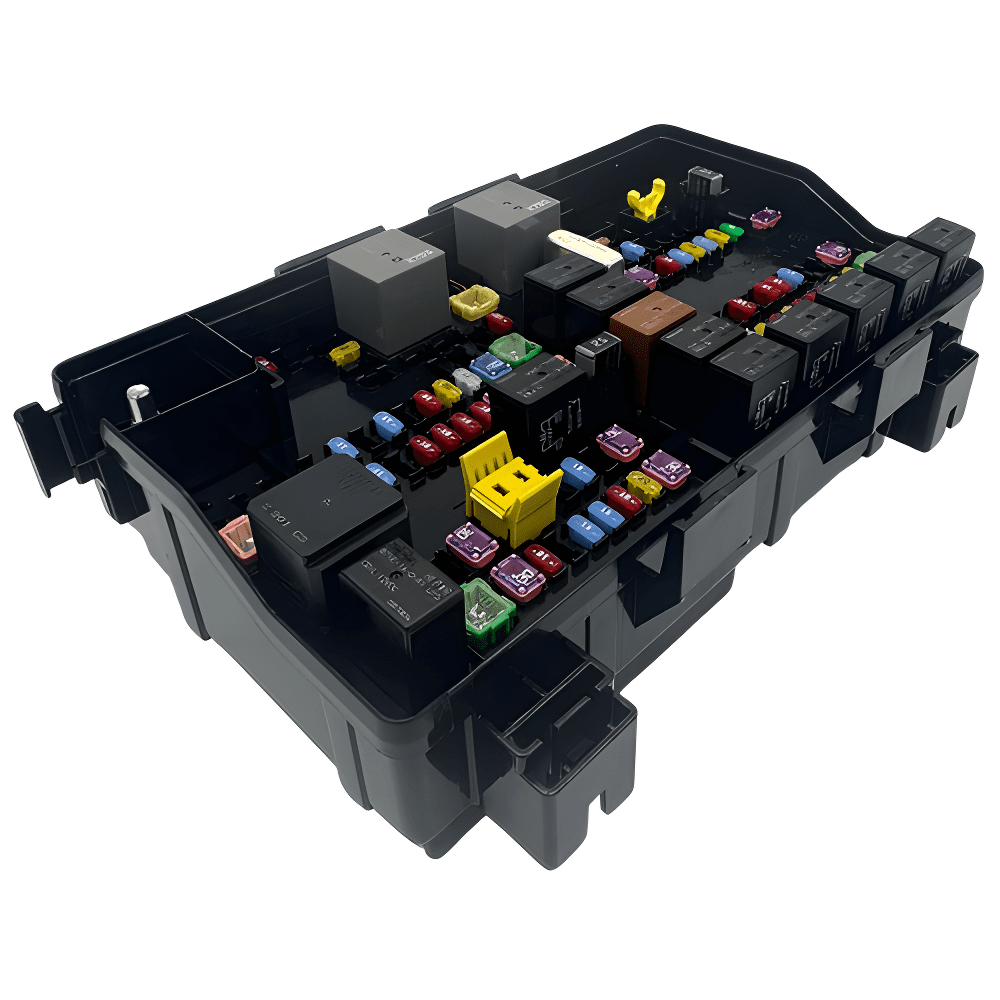
credit: www.histamineintolerance.org.uk
Definition and Core Function
The TIPM serves as the central electrical control hub in modern Jeep vehicles. Unlike traditional fuse boxes that simply distribute power through mechanical relays, the TIPM integrates solid-state electronics with microprocessor control to manage dozens of electrical systems simultaneously. This black plastic housing—typically located under the hood near the battery—contains both the circuit board and the relays needed to operate critical vehicle functions.
The module receives commands from your Jeep’s other computers, including the powertrain control module (PCM) and body control module (BCM), then distributes power to specific components when needed. When you turn your key, press a button, or activate a switch, the TIPM processes that signal and energizes the appropriate relay or circuit. This intelligent power distribution reduces wiring complexity throughout the vehicle and enables features such as automatic lighting, programmable door locks, and fuel-system management.
TIPM vs. Traditional Fuse Boxes
Traditional fuse boxes rely on direct electrical connections—flip a switch, and power flows through a fuse to the component. The TIPM adds a digital layer between the switch and the component, allowing programmable control, diagnostic capabilities, and integration with other vehicle systems. However, this complexity creates a single point of failure that can disable multiple systems simultaneously, unlike older mechanical designs, where individual fuse failures rarely caused cascading problems.
Jeep Models Affected
The TIPM design primarily affects FCA vehicles produced between 2007 and 2015, with Jeep models bearing the brunt of reported failures. The 2007-2011 Jeep Wrangler JK experienced widespread issues, particularly with fuel pump relay failures, causing no-start conditions. The 2011-2014 Jeep Grand Cherokee WK2 ranks among the most complaint-heavy models, with owners reporting electrical gremlins appearing suddenly under 40,000 miles.
Other affected models include the 2007-2017 Jeep Compass, 2007-2017 Patriot, 2008-2012 Liberty, and various Dodge and Chrysler vehicles sharing the platform. Newer Jeeps from 2016 onward use revised TIPM designs with improved sealing and different relay configurations, though the fundamental architecture remains similar. If you’re experiencing electrical problems in your Jeep Wrangler or Grand Cherokee, the TIPM should be your first suspect.
| Model | Years Affected | Common Part Numbers |
|---|---|---|
| Jeep Wrangler JK | 2007-2018 | 04692236AB, 68089321AC |
| Jeep Grand Cherokee WK2 | 2011-2014 | 68089321AC, 68105502AF |
| Jeep Liberty KK | 2008-2012 | 04692236AA, 68089321AC |
| Jeep Compass/Patriot MK | 2007-2017 | 04692236AB, 68089321AC |
Common TIPM Failure Symptoms
TIPM failures manifest in unpredictable and often intermittent electrical malfunctions that worsen over time. The fuel pump issue ranks as the most dangerous symptom—the pump runs continuously even with the key off, draining your battery overnight, or fails to activate at all, leaving you stranded. Owners report turning the key to find complete silence, then returning hours later to discover the vehicle starts normally, creating frustrating diagnostic challenges for mechanics.
Lighting problems appear frequently: headlights, taillights, or interior lights flicker randomly, stay on when parked, or refuse to illuminate. The horn may honk without input or fail when needed. Power windows operate erratically, moving partially or stopping mid-travel. Windshield wipers activate spontaneously in clear weather or ignore commands during rain. The airbag warning light illuminates despite no collision, potentially disabling critical safety systems.
More subtle symptoms include mysterious battery drain, intermittent starting problems that occur every few days or weeks, and warning lights that come and go without corresponding mechanical issues. Some owners notice their Jeep’s dashboard lights behaving strangely before complete TIPM failure. The module rarely fails completely at once; instead, individual circuits within the unit malfunction progressively as solder joints crack or moisture causes corrosion.
Model-Specific Symptoms
2011 Grand Cherokee owners frequently report fuel pump issues combined with stalling while driving. Wrangler JK models exhibit more lighting-related failures, particularly with headlamp circuits. Compass and Patriot vehicles show higher rates of airbag light activation and window control problems. If you’re shopping for a used Jeep, understanding which Grand Cherokee years to avoid can help you sidestep TIPM headaches.
Causes of TIPM Problems
The root cause of most TIPM failures traces to poor solder joint quality on internal relays and inadequate moisture protection. FCA used lead-free solder in these modules to meet environmental regulations, but the solder joints crack over time from thermal cycling and vibration. Each time the relay clicks on and off, the mechanical movement stresses the solder connection until it fails, creating intermittent shorts or open circuits.
Moisture intrusion accelerates the problem. Despite sealed housings, condensation forms inside the module from temperature changes, and tiny gaps in weatherproofing allow water penetration. Once moisture reaches the circuit board, corrosion begins attacking traces and component leads. Off-road enthusiasts who ford streams or drive through deep puddles face higher failure rates, though sealed units still fail in bone-dry climates from condensation alone.
Aftermarket modifications can overload TIPM circuits not designed for high-draw accessories. Installing multiple LED light bars, winches, or audio upgrades without proper relays forces more current through the module than engineers intended, causing premature relay wear. Voltage instability from failing alternators or weak batteries also stresses the solid-state components, shortening TIPM lifespan. Understanding how to maintain your Jeep’s electrical system prevents many premature failures.
Diagnosis and Troubleshooting
Begin diagnosis with a visual inspection—open the hood and locate the TIPM (usually on the driver’s side near the battery). Look for obvious damage: melted plastic, burn marks, or green corrosion around connectors. Check all ground connections, particularly the body ground near the TIPM mount, as poor grounds cause symptoms identical to module failure. Examine battery terminals and cables for corrosion, which creates voltage drops that confuse the TIPM’s logic circuits.
The hard reset test often reveals TIPM issues: disconnect the negative battery cable and leave it off overnight (at least 8 hours). Reconnect in the morning and test the vehicle. If problems disappear temporarily but return within days or weeks, the TIPM likely requires service. This reset clears the module’s memory and sometimes allows corroded relays to make contact again, providing temporary relief.
Use a multimeter to test individual circuits—measure voltage at fuse outputs while activating each function. A properly working circuit shows battery voltage (12-14V) when activated and near-zero when off. Fluctuating voltage or readings that don’t match the switch position indicate TIPM relay problems. OBD-II scan tools reveal stored fault codes, though many TIPM failures don’t trigger codes because the module controls the diagnostic system itself. For persistent electrical issues in your Jeep Compass, a professional diagnosis may be necessary.
Repair vs. Replacement Options
DIY enthusiasts can sometimes resurrect a failing TIPM by replacing individual relays—the module uses standard automotive micro-relays available at auto parts stores for $5-15 each. This approach works when a single relay has failed, but leaves you vulnerable if multiple circuits are compromised. YouTube tutorials demonstrate the disassembly process, though opening the TIPM voids any remaining warranty and requires soldering skills for permanent repairs.
Professional rebuilding services offer the most cost-effective solution for confirmed TIPM failure. Companies like Circuit Board Medics and MAKS TIPM Rebuilders charge $300-800 to repair your existing module, addressing solder joints, replacing relays, and improving moisture sealing. Turnaround takes 3-5 business days plus shipping. These services often include warranties and eliminate the programming issues that plague new unit installation.
New TIPM units cost $1,000-2,000 from dealers, and aftermarket alternatives run $600-1,200. New modules require VIN-specific programming at a dealer or by a locksmith with the right equipment, adding $100-300 to installation costs. Avoid used TIPMs from junkyards—they likely have the same defects as your failed unit and will repeat the cycle. Understanding the typical maintenance costs for your Jeep helps you budget for this repair.
Prevention and Maintenance Tips
Protect your TIPM by maintaining stable voltage in your electrical system. Replace your battery at the first sign of weakness—most batteries last 3-5 years, and a dying battery forces the alternator and TIPM to work harder. Have your alternator tested annually; charging systems that over or undercharge accelerate TIPM failure. Keep battery terminals clean and tight, and ensure all ground connections are corrosion-free.
Seal the TIPM housing against moisture. Some owners apply dielectric grease to connector pins and add weatherproofing to housing seams using silicone sealant designed for automotive applications. Avoid pressure-washing the engine bay directly at the TIPM, and inspect the module’s weatherproof cover for cracks or missing seals. If you frequently drive through water, consider relocating sensitive electronics or adding extra sealing.
Install proper relays when adding aftermarket accessories. Never tap directly into TIPM-controlled circuits for high-draw items like winches or light bars—use the TIPM signal to trigger a separate high-current relay instead. This isolates the load from the module and prevents premature wear. For those modifying their Jeep Wrangler, proper electrical planning is essential.
Legal and Recall History
FCA faced multiple class-action lawsuits over TIPM defects affecting hundreds of thousands of 2007-2015 vehicles. The most significant case alleged that Chrysler knew about widespread failures but refused to issue recalls, forcing owners to pay $1,200+ for repairs on vehicles often under 40,000 miles. While the company settled certain claims, no comprehensive recall was ever issued for TIPM failures, leaving many owners without recourse.
The National Highway Traffic Safety Administration (NHTSA) received thousands of complaints about TIPM-related stalling, no-start conditions, and loss of vehicle control. Complaint data shows the 2011 Grand Cherokee as the highest-reported model, with owners describing sudden stalling in traffic and complete electrical system failures while driving. These safety issues prompted investigations but resulted in limited manufacturer action beyond technical service bulletins for dealers.
Current owners facing TIPM failure should document all symptoms, repair attempts, and correspondence with dealers. Some owners have successfully argued for goodwill assistance from FCA even on out-of-warranty vehicles by demonstrating the defect’s widespread nature and safety implications. Check the NHTSA complaint database to see if your VIN falls under any investigation, and consider adding your experience to the record if you’re experiencing TIPM issues in your Jeep Cherokee or other FCA vehicle.
