How to Check Coolant Level? Jeep Grand Cherokee Essential Guide

As the engine hums and the pavement stretches out before you, you feel a sense of exhilaration behind the wheel of your Jeep Grand Cherokee.
But amidst the thrill of the open road, there lies a hidden danger – coolant leaks and overflow tank issues.
In this guide, we will explore the crucial task of checking and maintaining coolant levels in your Jeep Grand Cherokee, ensuring a smooth and worry-free journey.
So buckle up and let’s dive into the world of coolant monitoring.
How to check the coolant level jeep grand cherokee
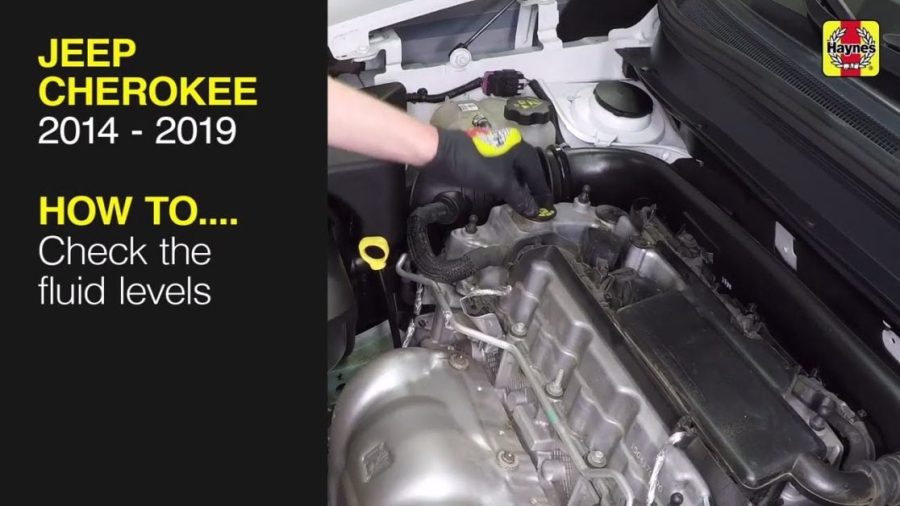
To check the coolant level in a Jeep Grand Cherokee, start by ensuring that the engine is cold.
Open the hood and locate the radiator, which is usually at the front of the engine compartment.
Look for the coolant overflow tank, which is connected to the radiator.
Make sure the vehicle is on a level surface.
The coolant level in the overflow tank should be between the “low” and “full” marks.
If the coolant level is low, it may indicate a leak in the system that needs to be addressed.
It is possible for the coolant level in the radiator to decrease while remaining the same in the overflow tank, which could indicate a leak.
It is crucial to fix any leaks promptly to prevent engine damage.
The overflow tank has an overflow port to allow excess fluid to escape, preventing it from reaching a dangerously high level.
However, it is essential to monitor the coolant level and avoid overfilling the overflow tank, as excessive fluid can lead to problems.
When adding coolant, it is recommended to use the proper antifreeze for your specific Jeep Grand Cherokee model.
Refer to your owner’s manual for the recommended type and relevant part numbers.
You can purchase the recommended antifreeze on websites like Amazon.
For Jeep Grand Cherokee WK2 models, it is worth noting that OAT (Organic Acid Technology) coolant is used and should not be mixed with any other type of coolant.
Mixing different coolant types can lead to damage and decreased effectiveness.
In conclusion, checking the coolant level in a Jeep Grand Cherokee involves inspecting the coolant overflow tank when the engine is cold.
Monitoring and maintaining the proper coolant level is vital for the overall health and performance of your vehicle’s engine.
Key Points:
Ensure the engine is cold before checking coolant level in a Jeep Grand Cherokee
Open the hood and locate the radiator, which is typically at the front of the engine compartment
Look for the coolant overflow tank, connected to the radiator
Ensure the vehicle is on a level surface
The coolant level in the overflow tank should be between the “low” and “full” marks
Address any leaks promptly to prevent engine damage
💡 Did You Know?
- The Jeep Grand Cherokee has a self-monitoring system that can automatically alert you if the coolant level is low. This is particularly useful in preventing engine overheating and potential damage.
- Did you know that coolant, also commonly known as antifreeze, serves multiple purposes in an engine? Apart from keeping the engine from freezing during cold weather, coolant also prevents overheating by absorbing and dissipating excess heat.
- The coolant used in the Jeep Grand Cherokee is usually a mixture of water and ethylene glycol or propylene glycol. These additives are vital in providing the necessary protection against corrosion and cavitation, which can lead to engine damage.
- Coolant color can vary depending on the brand and type used. While many coolants are typically green or orange, some manufacturers, including Jeep, use a reddish-pink colored coolant. If checking the coolant level visually, make sure to identify the correct color specific to your Jeep Grand Cherokee.
- Maintaining the correct coolant level in your Jeep Grand Cherokee is essential as inadequate coolant can cause major engine problems. Always ensure the engine is cool before checking coolant levels, and if needed, add the recommended coolant mixture as specified in the owner’s manual.