Why Your Jeep Won’t Go Into Gear: Diagnostic Guide and Solutions

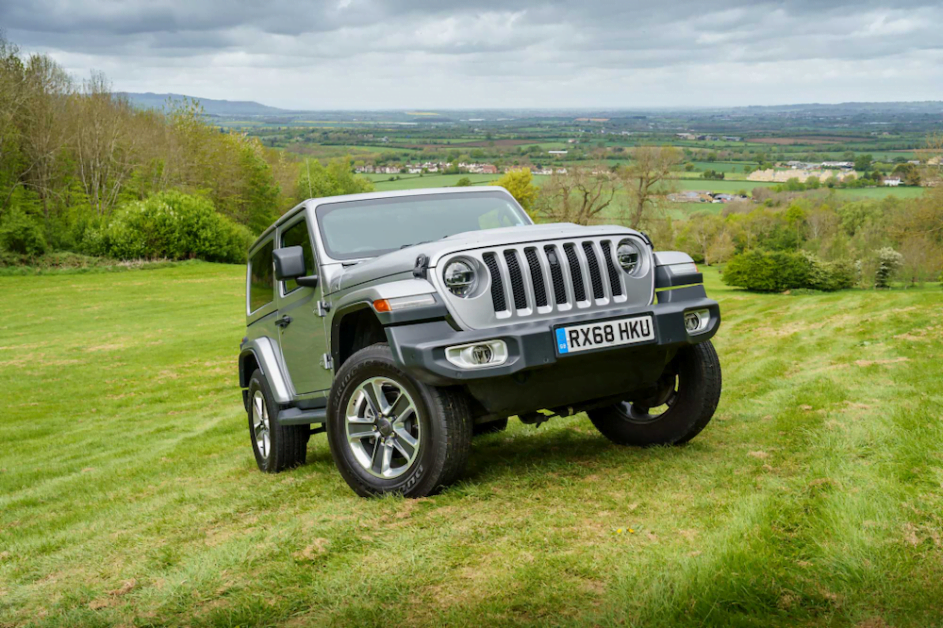
Your Jeep refuses to engage gears. The shifter moves freely, but nothing happens. You’re stuck in neutral—or worse, stranded in park.
This transmission problem stops your adventure immediately. Most owners feel anxious about repair costs and complexity. The good news: common problems resolve quickly when you identify the actual cause.
Most Jeep transmission issues cost $20–$500 to fix. Shift linkage bushings, brake switches, and transmission fluid problems account for 70% of cases. Only severe internal damage requires expensive rebuilds costing $5,000–$7,000.
Understanding what goes wrong lets you make smart decisions between DIY repairs and professional service.
How Your Jeep’s Transmission System Works
Your transmission comprises interconnected components that work together. Automatic transmissions use hydraulic pressure to shift gears through solenoids controlled by your engine computer. Manual transmissions rely on your clutch to disconnect the engine while you select a new gear.
Shift cables or linkages physically connect your gear selector to the transmission. Hydraulic fluid provides lubrication and pressure. Sensors and electrical components detect shifts as they occur.
When “won’t go into gear” happens, the breakdown occurs at one specific point in this system. The shifter moves, but the transmission doesn’t respond. This disconnect points to linkage issues, fluid problems, or electrical failures—rarely internal transmission damage.
Shift Linkage Bushing Failure: The Most Common Problem
Shift linkage bushings are small rubber components connecting your shifter to the transmission’s shift fork. Over time, these bushings degrade and crack. This problem strikes 2003–2016 Wranglers and other Chrysler vehicles most frequently.
When a bushing fails, slack develops in the linkage. You move the shifter freely, but it no longer communicates with the transmission. The transmission stays in neutral regardless of your selection—you can’t access park, drive, or any gear.
How to diagnose this issue:
Get under your vehicle. Have someone move the shifter while you watch the transmission linkage at both connection points. Look for missing bushings or visible gaps. If the linkage moves but doesn’t follow shifter motion, you’ve found your problem.
DIY solution:
Bushing repair kits cost $19.99 and include everything needed for a five-minute installation. You can complete this fix in your driveway.
Professional solution:
Mechanic bushing replacement runs $200–$300 per end. Many mechanics prefer replacing the entire cable ($360–$440 installed) for lasting results.
When to get professional help:
If either linkage end is disconnected or severely damaged, professional reinstallation ensures proper alignment and function.
Brake Light Switch and Shift Interlock Solenoid Problems
Your Jeep includes a safety mechanism that prevents shifting without proper braking. The brake light switch detects the pressure applied to the pedal. This switch signals the shift interlock solenoid to release the locking mechanism. Without this signal, the shifter stays locked in park.
When the brake switch fails, it can’t send power to the solenoid. You press the brake, but the shifter won’t budge. The vehicle treats no brake signal as a safety concern and locks the transmission.
Diagnose the brake switch:
Press the brake pedal hard while checking your brake lights. Have someone look behind your vehicle, or watch them in a reflection. No lights? Brake switch failure is your problem. Lights don’t respond consistently? The switch needs replacement.
Test the solenoid:
Try shifting without pressing the brake. If the shifter moves freely but won’t engage gears, the solenoid itself might be locked electrically. Some newer Jeeps have a hidden mechanical release that lets you force the transmission into neutral without electrical power—check your owner’s manual.
Repair costs:
Brake light switches cost $20–$80 for the part. Labor adds $50–$150. Shift interlock solenoids cost $60–$200 for parts alone. Total repairs typically run $150–$350.
Transmission Fluid: The Silent System Requirement
Low or contaminated transmission fluid silently sabotages shifting. Automatic transmissions are hydraulic systems. Fluid pressure does the work—it cools components, lubricates gears, and creates pressure for shifts. Without adequate fluid, pressure drops and shifts fail.
Cold transmission fluid thickens, making shifts difficult or impossible until the system warms. On manual transmissions, thick gear oil prevents synchronizer engagement, leaving you unable to shift into any gear while running. Shifting works when the engine’s off because the synchronizers don’t need to match speed.
Check your fluid properly:
Check your fluid when the engine runs. Most Jeeps display the level on a dipstick or electronic gauge. Pull the dipstick and wipe it clean. Reinsert it fully, then pull it again to read the level. Healthy transmission fluid appears bright red and smells slightly sweet.
Dark brown or burnt smell signals oxidation and contamination. If your fluid looks black or feels grainy, your transmission needs immediate service.
Address low fluid:
If fluid is low, locate and fix any leaks before topping off. Look under your vehicle for fluid drips. Check connection points and the transmission pan gasket. Topping off without fixing leaks wastes money—you’ll be low again soon.
Handle dirty fluid:
If the fluid is dirty, schedule a transmission fluid drain and fill. A complete flush ($150–$300) cycles new fluid through the system to remove particles and sludge. Many shops recommend this preventative step at 60,000-mile intervals.
Low fluid alone can prevent gear engagement. Topping it off might restore function immediately. Dirty fluid typically requires flushing for lasting results.
Shift Cable Disconnection and Wear
The shift cable connects your gear selector to the transmission’s shift fork. Road salt, vibration, and age cause cables to stretch, fray, or disconnect at either end.
A loose cable at the transmission end means the shifter movement doesn’t transmit power. A disconnected end at the shifter creates the same problem—you move the shifter, but the cable doesn’t pull.
Diagnose cable problems:
Get under the Jeep with the engine off. Move the shifter from park through reverse and into drive while watching the transmission linkage. The linkage should move smoothly in response. If it doesn’t, the cable is disconnected or stretched.
Inspect for damage:
Look along the cable path for crimps, kinks, or split sheathing. A kinked cable can’t transmit shifter movement. Corrosion at the cable ends also prevents proper function.
Repair options:
Reattaching a loose cable takes five minutes. If the cable is kinked, the sheath is split, or end fittings are damaged, cable replacement becomes necessary ($360–$440 total installed).
Fuse and Relay Failures
Modern Jeeps rely on multiple fuses controlling transmission operation. A single blown fuse can prevent shifting entirely.
Critical fuses include number 14 (transmission control), 28 (solenoid), 53 (shift solenoid), 77, and 93. Electronic stability control and ABS module fuses also interact with the transmission function. When the ABS or stability control module fails, it can prevent transmission shifts as a safety measure.
Check your fuses:
Open your fuse panel inside the driver’s door jamb or under the hood. Look for fuses that appear burnt or discolored. The metal filament inside should be intact. A broken filament means a blown fuse.
Replace blown fuses:
Replace blown fuses with the correct amperage marked on the fuse panel cover. If a fuse repeatedly blows, you have a deeper electrical issue requiring professional diagnostics.
Inspect connectors:
Check all related module fuse connectors—transmission control, shift solenoid, ABS, and stability control. Sometimes the problem isn’t the fuse but its connector. Corrosion or loose wires prevent power flow despite an intact fuse.
Manual Transmission Clutch System Failures
Manual transmission owners face distinct challenges. When you can’t shift into gear while the engine runs but can shift with the engine off, your clutch system isn’t fully disengaging.
The culprit is usually the hydraulic clutch system. Your master cylinder pressurizes fluid near the brake pedal. This fluid travels to the slave cylinder near the transmission, which engages the clutch release bearing. If this hydraulic line leaks, air enters, or components wear, the clutch can’t fully disengage—synchronizers can’t match gear speeds.
Identify clutch system problems:
- The shifter moves freely, but the gears won’t engage when running
- Cold weather worsens the problem temporarily
- The shifter feels loose or won’t reach gear positions smoothly
- Grinding noise occurs when you attempt to shift
- The clutch fluid reservoir is empty or low
Check clutch fluid:
Check your clutch master cylinder fluid, usually a separate reservoir from brake fluid. If it’s empty or low, you leak. Inspect under the vehicle near the slave cylinder for fluid stains.
Repair clutch system issues:
Clutch slave cylinder replacement costs $272–$362 total. Master cylinder replacement runs similar costs. If you suspect air in the hydraulic line, a technician can bleed the system for $75–$150.
Transmission gear oil viscosity also affects manual transmissions. Redline MT-90 or equivalent gear oil designed specifically for manual transmissions, flows better in cold weather than older, thicker formulations. A transmission fluid change ($100–$200) sometimes resolves cold-weather shifting difficulty.
Transfer Case Engagement Issues
Four-wheel drive Jeeps include a transfer case controlling power distribution between front and rear axles. When the transfer case won’t shift, many owners mistake this for transmission failure.
Transfer cases require specific shifting procedures. With the engine running, you must first shift the transmission into neutral. This is critical. Then, with your foot on the brake, engage the transfer case lever. The transfer case won’t shift when the transmission is in gear.
The correct shifting sequence:
- Shift transmission into park (automatic) or neutral (manual)
- Keep engine running (or off, depending on your Jeep model)
- Press the brake pedal firmly
- Move the transfer case lever to the desired position
On modern Jeeps, the transfer case electronic shift motor sometimes sticks. Putting the transmission in neutral and attempting transfer case shifts with a rolling vehicle (2–3 mph) often frees them. Stop trying to force a locked transfer case while stationary. You’ll damage gears.
When the transfer case shifts get stuck:
Try rolling at a slow speed while attempting the shift. The motion helps internal mechanisms align. Never force the lever—apply steady pressure and wait. If it doesn’t move within 10 seconds, stop and try again later.
Transmission Control Module (TCM) and Sensor Failures
Electronic transmission controllers regulate shift timing and pressure. When these sensors or the transmission control module fail, gear engagement stops despite healthy fluid and proper linkage.
Symptoms include delayed shifts, shifts that fail entirely, or dashboard warning lights indicating transmission problems. A scan of your vehicle’s diagnostic computer reveals error codes pinpointing the failed component.
Common sensor failures:
- The turbine speed sensor measures the internal transmission speed
- The vehicle speed sensor determines when to shift
- The throttle position sensor tells the transmission how aggressively you’re driving
- Pressure solenoids activate individual clutches
Get a proper diagnosis:
Most shops charge $75–$150 for computer diagnostics that reveal the exact problem. This investment prevents wasting money on incorrect repairs. Write down any error codes displayed—they guide technicians directly to the failed part.
Repair costs:
Sensor replacement runs $100–$300 per sensor, depending on location and vehicle model. Some issues are resolved with TCM software updates ($200–$400). A technician can reprogram your transmission control module to address shifting problems without physical part replacement.
When Internal Transmission Damage Occurs
If your transmission slips between gears, makes grinding noises, or won’t engage after you’ve addressed linkage, fluid, and electrical issues, internal damage exists.
Signs of severe transmission problems include metal shavings in the fluid pan, burnt smells, whining noises during operation, or gear slipping where engine revs increase but the vehicle doesn’t accelerate.
Inspect the fluid pan:
Schedule a transmission drain-and-fill service. During this service, the technician removes the pan, inspects it for metal particles, and checks the filter. Metal shavings indicate internal gear wear or bearing failure. Clean pans suggest your problem is electrical or external.
Understand repair options:
Transmission rebuild ($2,200–$7,200 depending on transmission type) involves removing the transmission, disassembling it completely, replacing worn parts, and reassembling it. Quality shops include 3-year/36,000-mile warranties. Rebuilds take 3–5 days.
Transmission replacement with a remanufactured unit ($1,500–$4,400 parts plus $500–$1,000 labor) means installing a transmission that’s already been professionally rebuilt and tested. Used transmissions cost less but come with shorter warranties. This option takes 1–3 days.
Make the rebuild vs. replacement decision:
Rebuilding works for vehicles you plan to keep long-term if damage is localized. Replacement makes sense for high-mileage Jeeps over 150,000 miles, where multiple systems show wear. Severely cracked cases or stripped gears typically require replacement rather than rebuild.
Compare the repair cost against your vehicle’s value. If repairs exceed 50–60% of the vehicle’s worth, replacement becomes the wiser financial decision.
Diagnostic Steps You Can Perform Now
Perform these checks before scheduling expensive shop visits. You’ll identify simple problems and save hundreds of dollars.
Step 1: Check transmission fluid level
Start your engine. Locate the transmission dipstick. Wipe it clean, reinsert it fully, then pull it again. Check where the fluid reaches. Top off if low. Test shifting immediately.
Step 2: Examine fluid color and smell
Bright red fluid with a slightly sweet smell is healthy. Dark brown or burnt-smelling fluid indicates contamination. Schedule service if the color is dark. Black fluid means your transmission is in trouble—seek professional help soon.
Step 3: Verify brake lights work
Press the brake pedal firmly. Have someone watch from behind your vehicle or check reflections. Brake lights should illuminate clearly. If they don’t light, your brake switch needs replacement.
Step 4: Inspect transmission fuses
Open your fuse panel inside the driver’s door or under the hood. Look at transmission-related fuses. Replace any with broken filaments. Use the correct amperage marked on your panel cover.
Step 5: Check the shift cable condition
Get under your Jeep safely. Have someone move the shifter while you watch the transmission linkage. The linkage should move smoothly. If it doesn’t move when the shifter does, your cable is loose or disconnected.
Step 6: Test shifting without braking
Try moving the shifter without pressing the brake pedal. If it shifts freely, your brake switch is faulty. If the shifter won’t move, the solenoid is likely locked.
Step 7: Check clutch fluid (manual transmissions)
Locate your clutch master cylinder reservoir. Check the fluid level. If it’s empty or low, you leak. Inspect under the vehicle near the slave cylinder for fluid stains.
Step 8: Verify transfer case procedures (four-wheel drive)
Confirm your transmission is in neutral before attempting transfer case shifts. Never try shifting the transfer case while the transmission is in gear. Follow the correct sequence outlined above.
When to See a Professional
Schedule professional diagnostics if:
- Fluid checks and fuse replacements didn’t restore function
- You hear grinding or whining noises during operation
- The transmission slips between gears
- Dashboard warning lights stay on after your repairs
- You suspect internal transmission damage
- Metal particles appear in the transmission pan
A professional diagnostic costs $75–$150 and identifies the exact problem. This investment prevents wasting money on incorrect repairs or parts you don’t need.
Preventing Future Transmission Problems
Your transmission’s lifespan depends on maintenance discipline. Follow these practices to avoid future issues.
Check fluid monthly:
Monthly inspections catch low fluid before damage occurs. A slow leak might not be obvious until your transmission fails. Five-minute checks prevent expensive repairs.
Follow fluid change intervals:
Manual transmissions need service every 30,000–60,000 miles. Automatic transmissions run 60,000–100,000 miles depending on model and driving conditions. Heavy towing or frequent city driving reduces these intervals by 20–30%.
Avoid prolonged idling in gear:
Automatic transmissions generate heat while in gear at a stop. Use the park whenever stopped for more than 30 seconds.
Address warning lights immediately:
Transmission warning lights indicate problems that worsen dramatically if ignored. Address them within 24–48 hours to prevent cascading damage.
Drive smoothly:
Aggressive acceleration, towing beyond manufacturer specs, and consistently hard shifts reduce transmission lifespan significantly. Smooth driving habits extend transmission life by 50,000–100,000 miles.
Monitor temperature:
Transmissions overheat in extreme conditions or when towing heavy loads. If you notice burning smells or warning lights, pull over immediately and let the transmission cool. Allow 10–15 minutes before continuing.
Use the correct transmission fluid:
Always use the fluid specification listed in your owner’s manual. Using the wrong fluid type causes shifting problems and accelerates internal wear.
Cost-Benefit Analysis: Repair vs. Replace
Consider this scenario: a 2009 Wrangler with 120,000 miles experiences transmission failure. You face three paths forward.
Option 1: Fix the cheap problems first ($20–$500)
Address fluid level, fuse replacement, and bushing repair. This approach works 70% of the time. Average cost is $150–$300.
Option 2: Transmission rebuild ($5,000–$7,000 total)
Choose this for localized internal damage discovered during diagnostics. Your rebuilt transmission carries a 3-year/36,000-mile warranty. This option suits vehicles you plan to keep.
Option 3: Used transmission replacement ($4,000–$6,000 installed)
Select this for extensive internal failure affecting multiple components. Installation takes 1–3 days. Warranty typically covers 1–2 years, depending on the source.
Make the right choice for your situation:
For older Jeeps, rebuilds or replacement makes sense only if repairs stay under 50% of vehicle value. If your 2009 Wrangler is worth $12,000 and the rebuild costs $6,000, the investment pays off for long-term ownership. If the vehicle is worth $8,000, a $6,000 repair becomes questionable economically.
For newer models or vehicles with significant remaining lifespan, rebuilds become the wiser choice for warranty coverage and long-term value.
Taking Action: Your Next Steps
Start with the simple checks outlined above. Most Jeep owners discover their transmission problem resolves with minimal expense—typically under $100.
Gather repair quotes:
If those steps don’t restore function, collect quotes from at least two independent transmission shops. Dealer quotes run 15–25% higher than independent specialists but offer better warranties on some repairs.
Describe your symptoms precisely:
Tell mechanics exactly what happens: “won’t shift into drive,” “stuck in park,” “no response when I move the shifter,” or “grinding noise when attempting to shift.” These specifics help shops provide accurate estimates without full diagnostics first.
Ask the right questions:
- What is the warranty on repairs?
- Can you provide a written estimate?
- How long will the repair take?
- Will you call before making additional repairs?
Keep your paperwork:
Get a detailed invoice showing what was repaired, parts replaced, and labor performed. This documentation protects you if problems recur and helps future technicians understand your transmission history.
Your Jeep will drive again. Whether the fix takes 15 minutes or requires a complete transmission overhaul depends on what actually failed—and now you know where to look.