How to Check Transmission Fluid on Jeep Wrangler (JK, JL, TL Step-by-Step)

Checking your Jeep Wrangler’s transmission fluid is essential maintenance. It prevents costly repairs and keeps your vehicle running smoothly. The process varies by model year and generation.
JK Wranglers (2007-2018) use a traditional dipstick system. JL and newer models require different methods. Some use check plugs instead of dipsticks.
This guide covers all Wrangler generations comprehensively. You’ll learn to locate access points safely. We’ll explain temperature requirements and fluid inspection techniques.
Park on level ground before starting. Ensure your engine reaches proper operating temperature. Hot transmission fluid gives accurate readings.
Safety comes first with this procedure. Transmission fluid gets extremely hot during operation. Burns can occur if proper precautions aren’t followed.
The entire process takes 15-20 minutes typically. You’ll need basic tools and safety equipment. Fresh ATF+4 or compatible fluid should be available.
Regular checks prevent transmission damage and failure. Low fluid causes overheating and component wear. Dirty fluid reduces performance and efficiency significantly.
Tools and Materials Needed
Gather these essential items before beginning the check. Having everything ready saves time and prevents mistakes.
Required Tools:
- Clean rags or paper towels
- Funnel (if adding fluid)
- Flashlight or work light
- Safety gloves (heat-resistant recommended)
- Jack and jack stands (JL/JT models only)
Fluid Requirements:
- Mopar ATF+4 (JK models)
- Lifeguard 8 transmission fluid (JL/JT models)
- ZF 8HP transmission fluid (some newer variants)
Compatible Fluids by Model
| Model Year | Generation | Fluid Type | Capacity |
|---|---|---|---|
| 2007-2018 | JK | Mopar ATF+4 | 9.5 quarts |
| 2018+ | JL/JT | Lifeguard 8 | 8.5 quarts |
| 2024+ | TL | ZF 8HP Fluid | 9.0 quarts |
Never substitute unauthorized fluids in your transmission. Wrong fluid causes immediate damage and voids warranties.
Safety Precautions Before Checking
Safety prevents injuries and vehicle damage during maintenance. Follow these steps religiously before starting work.
Park on completely level ground only. Slopes affect fluid readings significantly. Engage the parking brake and turn on the hazard lights.
Allow the engine to warm up properly first. Cold readings are inaccurate and misleading. Transmission temperature must reach 86-122°F operating range.
Wear heat-resistant gloves throughout the procedure. Transmission fluid reaches 200°F+ during normal operation. Burns happen quickly without protection.
Step 1: Locate the Transmission Dipstick or Check Plug
Finding the access point varies dramatically between generations. JK models use traditional dipsticks while newer ones don’t.
JK Wrangler (2007-2018) Location:
Look on the passenger side near the firewall. The dipstick has a yellow or red handle. It’s positioned behind the engine, below the brake booster.
The transmission dipstick sits lower than the engine oil. Don’t confuse it with other fluid checks. Remove the handle by pulling straight up firmly.
JL/JT Wrangler (2018+) Location:
These models eliminated the traditional dipstick entirely. Access requires lifting the vehicle safely instead. Look for a check plug underneath.
The fill plug sits on the transmission side. You’ll need proper tools to remove it. Some variants require scan tools for accurate readings.
JK vs. JL Differences
JK models offer easy access from above. No lifting or special equipment is required. Simply locate and pull the dipstick handle.
JL models require underneath access instead. This complicates the checking process significantly. Consider professional service for complex procedures.
Step 2: Warm Up the Vehicle and Prepare
Proper temperature ensures accurate fluid level readings. Cold fluid contracts and gives false readings.
Start your engine and let it idle. Drive the vehicle for 10-15 minutes normally. This reaches the proper transmission operating temperature range.
Return to your level parking spot afterward. Keep the engine running throughout the process. Shift through all gears briefly while idling.
Temperature Requirements:
- Minimum: 86°F (30°C)
- Maximum: 122°F (50°C)
- Optimal: 100-110°F (38-43°C)
Cold weather requires longer warm-up periods. Summer heat may require cooling before checking. Never check extremely hot fluid immediately.
Step 3: Check the Fluid Level
The checking method depends entirely on your model. Follow generation-specific procedures carefully for accurate results.
JK Dipstick Method:
Remove the dipstick and clean it completely first. Wipe away all fluid residue with rags. Insert it fully back into the tube.
Pull the dipstick out again immediately. Read the fluid level against the measurement marks. Hot and cold ranges are clearly marked.
Fluid should reach the “HOT” range marks. Between minimum and maximum is acceptable. Never overfill beyond the maximum marks.
JL Check Plug Method:
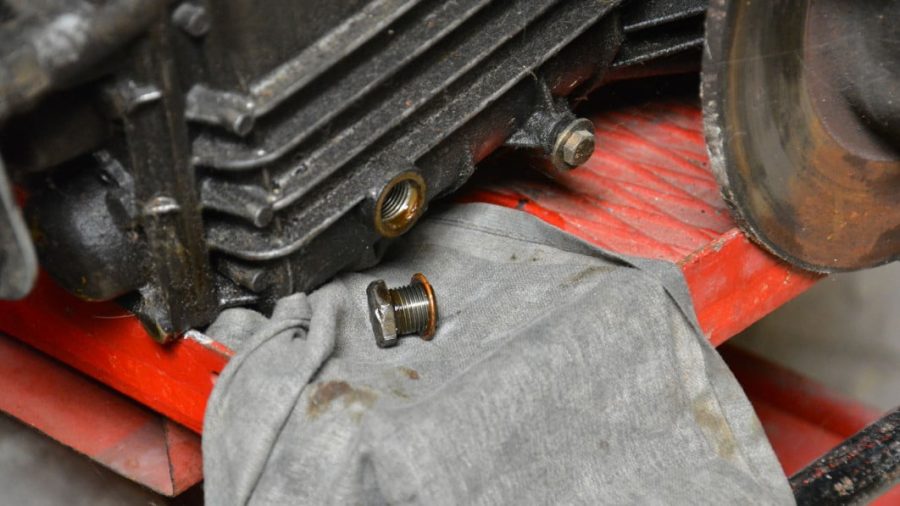
Remove the check plug carefully with appropriate tools. Fluid should drip out slowly if full. No dripping indicates low fluid levels.
This method requires safe access underneath the vehicle. Use proper jack stands, never just jacks. The plug threads can strip easily.
Some JL models require scan tools additionally. These read internal temperature sensors accurately. Professional equipment may be necessary here.
| Reading Method | Model | Result if Full | Result if Low |
|---|---|---|---|
| Dipstick | JK | Fluid at HOT marks | Below minimum mark |
| Check Plug | JL/JT | Slow dripping | No fluid drips |
| Scan Tool | Some JL | Digital confirmation | Error codes displayed |
Step 4: Inspect Fluid Condition
Checking fluid quality is equally important as the level. Bad fluid indicates potential transmission problems developing.
Healthy Fluid Characteristics:
- Color: Bright red or pink
- Consistency: Smooth, not thick
- Smell: Sweet or neutral
- Debris: None visible
Problem Fluid Signs:
- Dark brown or black color
- Burnt smell (like burnt toast)
- Metal particles or debris
- Foamy or bubbly appearance
Burnt fluid indicates overheating has occurred previously. This suggests internal damage may exist. Professional diagnosis becomes necessary immediately.
Foamy fluid usually means that overfill conditions exist. It can also indicate internal seal problems. Both situations require immediate attention and correction.
Step 5: Add Fluid if Low
Adding fluid requires extreme care and patience. Overfilling causes more damage than low levels.
JK Models:
Use a funnel in the dipstick tube. Add small amounts at a time only. Check the level frequently during the process.
Pour slowly to prevent overfilling accidents. Transmission fluid expands significantly when hot. What seems low may be perfect.
JL Models:
Adding fluid requires removing the fill plug. This sits higher than the check plug. Professional service is often recommended here.
Correct Fluid Types:
- JK: Mopar ATF+4 transmission fluid only
- JL/JT: Lifeguard 8 or equivalent specification
- Never mix different fluid types
Add only small amounts between checks. Quarter-cup increments prevent overfilling disasters. Recheck the level after each addition carefully.
Model-Specific Variations (JK, JL, 2026 TL)
Each Wrangler generation uses different checking methods. Understanding your specific model prevents confusion and mistakes.
JK Generation (2007-2018):
Traditional dipstick access from the engine bay. No special tools or lifting required. Most DIY-friendly method available.
JL/JT Generation (2018-2023):
The check plug method requires vehicle lifting. Some models need scan tools additionally. More complex than previous generations.
TL Generation (2024+):
Similar to JL but with updates. When does the 2026 Jeep Wrangler come out shows continued evolution. Enhanced diagnostics may be standard.
Modern Wranglers with the best lift kit for a Jeep Wrangler modifications need special consideration. Lifted vehicles may require different access methods.
Troubleshooting Common Issues
Several problems occur frequently during transmission checks. Understanding solutions saves time and prevents mistakes.
No Dipstick Found (JL Models):
This is normal for 2018+ Wranglers. Use the check plug method instead. Don’t force access that doesn’t exist.
Fluid Overfilled:
Drain excess immediately to prevent damage. Overfilled transmissions develop foam and overheating. This causes clutch slippage and failure.
Burnt Fluid Discovered:
Schedule a professional service immediately for inspection. Burnt fluid indicates serious internal problems. Continued driving risks complete failure.
Similar transmission issues affect other vehicles. How to get Jeep Compass out of limp mode covers related troubleshooting steps.
FAQ
Q: Why doesn’t my 2020 JL have a dipstick?
A: Jeep eliminated dipsticks for emissions and packaging. Check plugs provide more accurate readings, supposedly.
Q: Can I check fluid when cold?
A: Cold readings are inaccurate and misleading. Always warm the transmission to operating temperature.
Q: What happens if I overfill?
A: Overfilled transmissions foam, overheat, and fail. Drain excess immediately to prevent damage.
Q: How often should I check?
A: Monthly checks prevent problems and surprises. More frequent checking during heavy use periods.
Q: Can I use generic ATF fluid?
A: Only use specified Mopar fluids exactly. Generic fluids void warranties and cause failures.
Conclusion
Regular transmission fluid checks prevent expensive failures. Follow model-specific procedures for accurate results. When in doubt, seek professional assistance immediately.
Schedule checks monthly for optimal transmission health. Replace fluid according to the manufacturer’s maintenance schedules. Proper care extends transmission life significantly.