Are Jeep Wranglers Loud? The Complete Owner’s Guide to Noise, Solutions, and Realistic Expectations

The Honest Answer: Yes, Wranglers Are Noticeably Loud
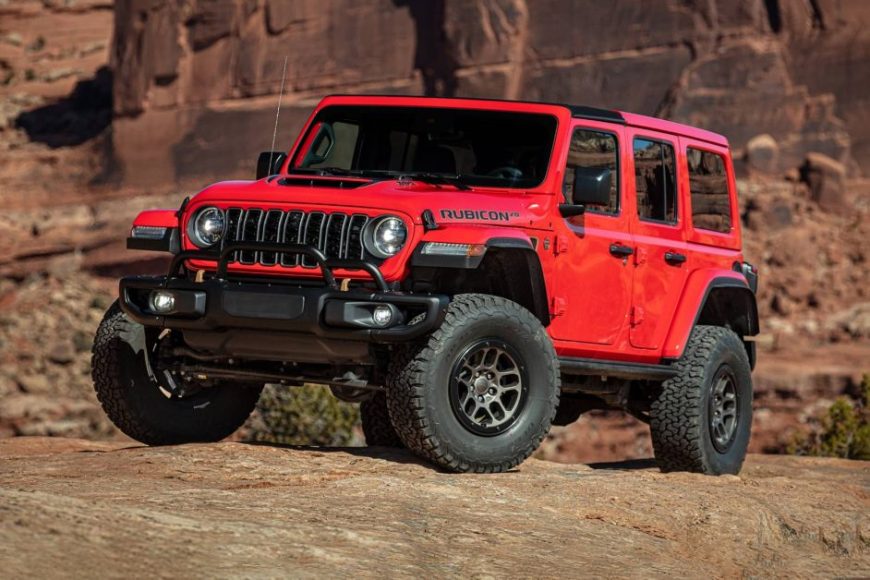
Jeep Wranglers are loud. That’s the straightforward answer. Interior cabin noise typically ranges from 59 to 92 decibels, depending on speed, top type, and vehicle generation. For context, a normal conversation registers around 60 decibels, while a vacuum cleaner hits 70 decibels. The uncomfortable truth is that highway driving in most Wranglers pushes you into territory where you’ll raise your voice to communicate with passengers.
But here’s the nuance: “loud” isn’t a simple yes or no. A brand-new JL Rubicon with a hardtop driving at 50 mph produces around 65 decibels—barely louder than a quiet office. That same vehicle at 70 mph on a windy highway can reach 75 decibels. With aftermarket mud tires and a soft top, you’re looking at 80+ decibels. Some owners describe the noise as acceptable background hum; others report frustration on long road trips.
The noise problem scales with speed. Below 50 mph, most Wranglers remain relatively quiet, making around-town driving tolerable. The critical threshold hits around 65 mph, where wind and tire noise combine into a noticeable hum that requires slightly elevated voices for conversation. Cross 70 mph on a soft-top Wrangler, and the experience shifts dramatically—whistling from gaps and a deep resonance from flexing panels create genuine fatigue on extended drives.
Understanding Decibels: Why 3 dB Matters More Than You Think
People often dismiss noise complaints with “it’s only a few decibels louder,” missing how the decibel scale works. The scale is logarithmic, not linear. Every 10-decibel increase represents a doubling of perceived loudness to human ears. A 3-decibel increase—small on paper—is noticeable and persistent over a two-hour highway drive.
This matters when comparing a 65 dB and 68 dB cabin. The 3-decibel jump is meaningful. It’s the difference between relaxed conversation and needing to speak up. OSHA’s occupational noise exposure standards reflect this: 80 decibels for eight hours without hearing protection, yet 85 decibels for only four hours. The difference feels dramatic once you’re in it.
Real-world measurements from owners document this spread clearly. A 2021 Rubicon hardtop at 70 mph measures 69.8 decibels. The same vehicle with a soft top and larger aftermarket tires can reach 80-92 decibels at highway speeds. That 10-20 decibel gap translates to a difference between manageable and fatiguing.
What Actually Makes Wranglers Loud: The Root Causes
Wranglers suffer from a perfect storm of design decisions that amplify cabin noise. Understanding the sources helps explain why they’re louder than, say, a Honda CR-V or Toyota 4Runner.
Wind noise dominates at highway speeds
The Wrangler’s aerodynamics were never optimized for highway efficiency. It’s a boxy, upright frame with a flat windshield that catches wind head-on rather than deflecting it. Door seals, window frames, and hardtop edges create gaps where air flows in. Owners report wind whistling from the corners of the hardtop and around door weatherstripping, particularly once you cross 65 mph. This isn’t a defect—it’s inherent to the design.
Engine noise transmission ranks as the second major culprit
Older Wrangler generation (TJ models) showed engine sound contributing 20 decibels above baseline. The firewall insulation separating the engine bay from the cabin isn’t thick by modern standards. A direct-injection fuel pump, particularly in turbocharged 2.0-liter models, creates additional high-frequency noise that transmits into the cabin during startup and acceleration.
Tire noise becomes prominent between 40 and 70 mph
Wrangler owners frequently choose all-terrain tires—33-inch, 35-inch, or larger models—for their rugged capability. These tires, especially when new, generate more road noise than highway-optimized rubber. The tread design, sidewall stiffness, and contact patch all contribute. Swapping to road-oriented tires drops interior noise measurably, but sacrifices off-road performance.
Structural vibration and resonance amplify cabin pressure
The hardtop’s thin material, flexible door windows, and lightweight roof panels vibrate at specific frequencies, creating a droning or humming sensation rather than just volume. Some owners report headaches on bumpy roads from this cabin-pressure effect. The open design—meant for removable panels—doesn’t offer the bracing of a solid SUV roof, allowing panels to flex and resonate.
Speed Tipping Points: When Noise Becomes Noticeable
The progression of noise with speed isn’t linear. There are distinct thresholds where perceived loudness jumps.
At 25 mph, noise differences between soft and hard tops are negligible. Interior cabin sound hovers around 55-60 decibels. Tire thump and engine idle dominate. Conversation happens normally.
At 55 mph, tire noise emerges as the primary audible source. A hardtop Wrangler measures roughly 63-67 decibels. Wind noise is beginning to build, but remains in the background. You can still hold a normal conversation without raising your voice, though you’ll notice the hum on longer drives.
At 65-70 mph, the critical threshold, wind and road noise combine noticeably. Measurements show jumps to 70-75 decibels. On a soft top, whistling starts. Slightly elevated voices become necessary for conversation. Radio volume increases. This is where owners first describe the Wrangler as “loud.”
At 75+ mph, particularly on soft tops, the experience deteriorates further. Wind noise intensifies into audible whistling. A soft-top Wrangler can reach 80-85 decibels, roughly equivalent to a vacuum cleaner. Conversation requires speaking up consistently. Long highway drives become tiring.
The soft-top ceiling is harder than hardtops because the flexible fabric transmits wind pressure differently. A hardtop stays more stable above 70 mph, though it’s still noisier than passenger cars at similar speeds.
Soft Top Versus Hardtop: Quantifying the Difference
One of the most practical questions Wrangler buyers ask is whether a hardtop meaningfully reduces noise compared to a soft top. The answer is nuanced.
At low and moderate speeds (25-55 mph), noise differences are minimal. Both tops allow similar levels of tire and engine noise through. The hardtop’s advantage, a felt-lined headliner, provides only slight dampening at these speeds. Most owners don’t notice a meaningful difference in daily driving.
At highway speeds (65+ mph), the gap widens. Real-world testing documents the soft top producing 3-8 decibels more noise than a hardtop on the same vehicle at identical speeds. That translates to noticeably louder wind entry and flexing-panel resonance on soft tops. For someone driving 70+ mph regularly, a hardtop becomes worthwhile.
MotorTrend’s sound-deadening installation documented this: a factory hardtop measured 65 decibels at 55 mph and 69 decibels at 75 mph. Installing Boom Mat acoustic foam panels reduced those to 61 and 66 decibels, respectively—a 3-4 decibel improvement. The hardtop itself was quieter than the soft top baseline; additional insulation made it genuinely pleasant.
Important context: even a “quiet” hardtop Wrangler remains louder than most passenger vehicles at identical speeds. A 2024 Wrangler Sahara measured around 64-65 decibels at 45 mph and jumped to the low 70s on highway stretches—still above where most car owners tolerate driving. The generational gap matters. JL models (2018-present) with thicker material are quieter than older JK and TJ generations by 2-5 decibels across the speed range.
How Wranglers Compare to Competitors
Context helps buyers understand whether Wrangler noise is exceptional or merely part of the off-roader package.
Ford Bronco: Testing shows the Bronco’s soft top is comparably loud to the Wrangler’s. Wind noise at highway speeds mirrors Wrangler experience. The hardtop Bronco, however, performs slightly better due to more rigid body seams and slightly better weather stripping. Drivers switching from Bronco to Wrangler report the Wrangler as slightly noisier at speed, but the difference is marginal.
Toyota 4Runner: The 4Runner, with its full-frame body and heavier construction, is noticeably quieter—likely 5-8 decibels lower at highway speeds. Its aerodynamic advantage and superior insulation make long highway drives less fatiguing. However, the 4Runner sacrifices some of the open-air appeal and removable-top versatility that Wrangler owners value.
Jeep Grand Cherokee (JL): The newer Grand Cherokee shares the JL Wrangler’s engine and some design DNA but performs more quietly due to a more streamlined shape and fixed roof. Expect 5-10 decibels less noise at highway speeds—essentially what you’d hear in a mainstream SUV.
Compact SUVs (Honda CR-V, Toyota RAV4): These are substantially quieter, typically 55-62 decibels at highway speeds. The noise difference is dramatic, and one reason buyers might reconsider if highway commuting is a primary use.
The Wrangler’s loud reputation is fair when compared to passenger vehicles but moderate when compared to competing off-roaders. If you’re trading a CR-V for a Wrangler, expect noticeably more noise. If you’re comparing it to a Bronco, it’s roughly equivalent.
Making a Wrangler Quieter: Practical Solutions and Real Results
For owners committed to owning a Wrangler but frustrated by noise, soundproofing upgrades deliver measurable improvements.
Sound-deadening headliners are the most effective single upgrade. Products like Boom Mat’s hardtop insulation kits ($150-300) reduce interior noise by 2-4 decibels—meaningful to noticeable. These peel-and-stick acoustic foam panels attach to the interior roof, damping vibration and reflecting sound. Real-world testing showed a hardtop Wrangler dropping from 67 to 63 decibels at 55 mph, and from 71 to 68 decibels at 75 mph. Installation takes 2-3 hours.
Full cabin sound deadening amplifies results. A more comprehensive approach involves spraying liquid sound deadener (like Spectrum Spray) on metal surfaces—floors, firewalls, door panels, wheel wells—followed by mass-loaded vinyl barriers. This two-layer approach addresses both structural vibration (spray) and airborne noise (vinyl). Comprehensive installations cost $800-2,000 in labor but reduce overall noise by 5-8 decibels, making highway driving genuinely more pleasant.
Tire choice has a surprising impact. Swapping from aggressive 35-inch mud-terrain tires to quieter all-season or highway-oriented tires can drop cabin noise by 3-5 decibels. The tradeoff is off-road capability, so this solution suits owners whose Wrangler sees mostly pavement.
Door and hardtop seal maintenance prevents noise creep. As rubber weatherstripping ages, it hardens, and gaps widen, allowing wind noise to increase. Applying rubber conditioner ($15, 30 minutes) restores seal performance and can reduce wind noise by 1-3 decibels. This is the cheapest effective upgrade.
Engine compartment insulation addresses startup and engine-running noise. Adding material to the firewall and hood liner reduces high-frequency engine noise from transmitting into the cabin. Hood liners run $100-300 and provide modest but noticeable improvement.
The cumulative effect matters. A hardtop Wrangler with headliner insulation, maintained seals, and highway tires doesn’t achieve CR-V silence—but it becomes acceptably quiet for most owners. Expect to spend $500-2,000 for meaningful improvements, depending on the approach.
The Noise Tradeoff: Why Owners Accept It
Despite the loudness, Jeep Wrangler sales remain robust, and most owners don’t regret the purchase. The noise is a tradeoff accepted for benefits that competitors can’t match.
Removable tops and doors deliver an open-air experience unmatched in the SUV market. Ford Bronco comes closest, but Wrangler’s simpler design and proven mechanics make it accessible for personalization. This flexibility—remove the doors for summer, flip on a hardtop for winter—creates an ownership experience no sealed SUV matches.
Capability off-road is genuine. The solid front and rear axles, available four-wheel-lock, and 33-inch tire clearing handle terrain that would cripple a CR-V. For owners who genuinely need this, the noise is simply part of the package.
Resale value and modification culture are distinct advantages. A 15-year-old Wrangler holds value far better than a comparably aged CR-V. The ecosystem of aftermarket parts, from mild audio upgrades to full suspension rebuilds, means Wranglers can be customized in ways that make them personally meaningful to owners.
Brand identity and community matter. Wrangler ownership signals a lifestyle that resonates with buyers prioritizing adventure and freedom over comfort optimization. That psychological value isn’t negligible.
Is the Loud Wrangler Worth It? A Practical Conclusion
The answer depends on your driving patterns and priorities.
If you commute 45+ miles daily on highways, the Wrangler’s highway noise becomes a genuine lifestyle compromiser. Fatigue from sustained high-volume exposure is real. In this case, a quieter alternative makes objective sense. Even with soundproofing upgrades, a Wrangler won’t match a CR-V or 4Runner’s refinement.
If you drive mostly local streets, take weekend outdoor adventures, and occasionally cruise highways, a Wrangler’s noise becomes a tolerable background character. The removable-top experience and capability outweigh the noise penalty. Sound-deadening upgrades can push the vehicle into pleasant territory.
If you plan extensive 4×4 trails and value capability above all, the Wrangler’s loudness simply doesn’t factor into the decision equation. You’re buying for off-road performance, and highway noise is immaterial.
The generation matters too. A 2024 JL Wrangler is noticeably quieter than a 2010 JK, which is quieter than a 2002 TJ. If you’re buying used, generation selection significantly impacts the noise experience.
Final Thoughts
The honest positioning: Jeep Wranglers are loud, particularly on highways. This is design-driven, not defective. Modern Wranglers are quieter than historical models and roughly equivalent to competing off-roaders like Broncos. For buyers whose primary use is highway commuting, this is a significant consideration deserving genuine reflection before purchase.
For adventure-oriented owners who use the Wrangler as designed, the noise is simply part of the ownership experience they’ve accepted as a reasonable tradeoff for capability and community. Sound deadening upgrades exist, but shouldn’t be required to make the vehicle tolerable—they’re enhancements for those seeking refinement beyond stock capability.