Jeep Wrangler Catalytic Converter: Get the Right Fit the First Time

The correct catalytic converter for your Wrangler depends on more than brand name. Year, engine, bank placement, and emissions compliance all matter before you order.


![[2pcs]FortunaFlow Catalytic Converter Fit for Jeep Wrangler 2012-2018 3.6L](https://m.media-amazon.com/images/I/31YIKBZBhoL._SL160_.jpg)
Jeep Wrangler Catalytic Converter Overview
Your catalytic converter sits in the exhaust system between the engine and muffler. It converts harmful combustion gases into less toxic emissions before they exit the tailpipe.
When it fails, you’ll know. Common triggers for replacement include a lit check engine light (P0420 or P0430 codes), a rattling sound from under the vehicle, a sulfur or rotten-egg smell, reduced engine power, or a failed state emissions test.
Just like How to Take Jeep Wrangler Doors Off Safely requires knowing your specific model year, replacing a catalytic converter demands the same fitment precision. Generic compatibility isn’t enough.
Which Jeep Wrangler Years and Engines This Fits
Fitment varies significantly across Wrangler generations. Always match your exact year, engine, and bank before purchasing.
Common Fitment by Generation and Engine
| Wrangler Generation | Engine | Model Years | Bank/Side |
|---|---|---|---|
| JK | 3.8L V6 | 2007–2011 | Bank 1 or Bank 2 |
| JK | 3.6L V6 | 2012–2018 | Bank 1 or Bank 2 |
| JL | 3.6L V6 | 2018–2024 | Bank 1 or Bank 2 |
| JL | 2.0L Turbo | 2018–2024 | Single inline |
| TJ | 4.0L I6 | 1997–2006 | Single inline |
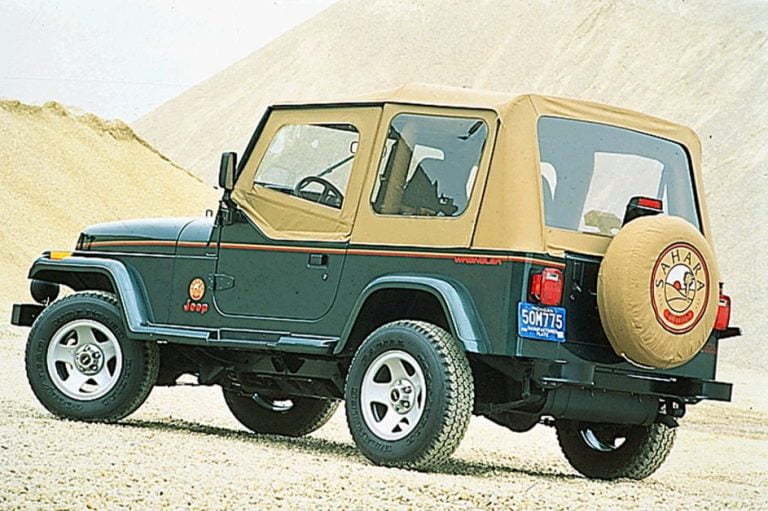
| YJ | 4.0L / 2.5L | 1987–1995 | Single inline |
The MagnaFlow direct-fit catalytic converter lineup covers most of these fitments with OEM-style positioning and factory flange matching. Always cross-reference the part number against your Wrangler’s specific engine and model year before ordering.
OEM part numbers vary by side and bank. Confirm yours at a dealer or through a trusted parts database to avoid costly mismatches.
Direct-Fit vs Universal Catalytic Converters
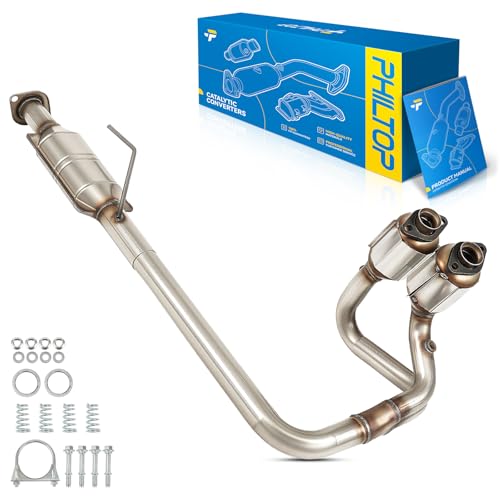
Direct-fit means the converter is engineered for your specific Wrangler. It bolts directly onto factory flanges without cutting or welding.
Universal converters are cheaper. However, they require custom fabrication, welding, and precise pipe sizing — not a weekend job for most owners.
For Wrangler replacement, direct-fit is almost always the better choice. You can find both types listed among Jeep Wrangler catalytic converters at major auto parts retailers, but the install time difference is substantial.
Direct-Fit vs Universal: Quick Comparison
| Factor | Direct-Fit | Universal |
|---|---|---|
| Installation | Bolt-on | Weld-in |
| Labor cost | Lower | Higher |
| OE fitment | Yes | No |
| Time to install | 1–3 hours | 3–6+ hours |
| Best for | Most owners | Custom builds |
EPA vs CARB Catalytic Converter Compliance
Not all converters are legal in every state. This is one of the most overlooked buying mistakes.
Federal EPA converters meet EPA emissions requirements and are legal in 49 states. They’re the standard for most Wrangler owners outside California.
CARB converters meet stricter California standards set by the CARB-compliant catalytic converter rules board. California, plus a growing list of states adopting CA standards, requires CARB-certified parts. Using a non-CARB converter in these states can result in failed inspections or fines.
Check your state’s current emissions laws before ordering. The compliance label on the converter box tells you which standard it meets.
Key Features and Benefits
A quality Wrangler replacement converter delivers more than emissions compliance.
Build Quality
- Stainless steel housing resists heat, corrosion, and trail abuse
- Honeycomb substrate maximizes exhaust flow with minimal backpressure
- OE-matched flanges eliminate the need for adapters or custom brackets
Emissions Performance
- Precious-metal catalyst loading (platinum, palladium, rhodium) burns hydrocarbons efficiently
- Passes OBD-II readiness monitors faster than low-grade alternatives
- Meets or exceeds federal EPA thresholds right out of the box
Fitment Confidence
- Direct factory flange alignment means no exhaust leaks at the joint
- Bank-specific positioning matches O2 sensor bung location exactly
- Part-number cross-referencing confirms fit before installation begins
What to Check Before You Buy
Getting the wrong part wastes time and money. Work through this checklist first.
- Year and generation — JK, JL, TJ, or YJ?
- Engine size — 2.0L, 3.6L, 3.8L, or 4.0L?
- Bank or side — driver side (Bank 1) or passenger side (Bank 2)?
- Emissions compliance — EPA or CARB required in your state?
- OEM cross-reference — check OEM catalytic converter part numbers to confirm the match
- O2 sensor ports — verify bung location and thread size
Also consider your broader maintenance context. If you’re running Best Jeep Wrangler Lift Kits or modified suspension, exhaust routing may have shifted. Cross-reference your Best All Terrain Tires for Jeep Wrangler setup and Best Jeep Wrangler Oil Filters service schedule to confirm you’re addressing the right issue.
Older Wranglers also benefit from reviewing Jeep Wrangler Towing Capacity specs if exhaust load is a concern.
Installation and Replacement Considerations
Direct-fit converters on JL and newer JK models typically bolt on in 1–3 hours. Older TJ and YJ models may need more prep time due to rust on flange bolts and studs.
Plan for new gaskets and hardware — reusing corroded fasteners risks exhaust leaks. Some installs also require transferring the upstream O2 sensor from the old converter.
Budget comparisons help here. Reviewing How Much Is a Jeep Wrangler Oil Change and Best Jeep Wrangler Shocks costs gives you a realistic sense of total maintenance spend. If you’re not comfortable with exhaust work, a shop install is worth it.
Common Symptoms of a Failing Catalytic Converter
Five warning signs point to converter failure:
- Check engine light with P0420 or P0430 codes
- Rattling or metallic noise under the vehicle at idle
- Sulfur or rotten-egg smell from the exhaust
- Noticeable power loss under acceleration
- Failed state emissions or OBD-II inspection
Some symptoms overlap with O2 sensor failure or exhaust leaks. Diagnose first. Replacing the converter before confirming it’s the source is an expensive mistake. If symptoms also include overheating or coolant loss, review How Much to Replace Head Gasket on Jeep Wrangler before proceeding.
Frequently Asked Questions
How do I know which side I need?
Bank 1 contains cylinder #1 — typically the driver side on most Wrangler V6 engines. Bank 2 is the passenger side. Check your diagnostic code: P0420 = Bank 1, P0430 = Bank 2.
Can I use a universal catalytic converter on my Wrangler?
Yes, but it requires cutting, welding, and professional fabrication. Most owners choose direct-fit for easier installation and better factory alignment.
Is this legal in my state?
Federal EPA-compliant converters are legal in 49 states. California and states adopting CA emissions rules require CARB-certified converters. Confirm your state’s standard before ordering.
Will it pass emissions after replacement?
Yes — if you install the correct converter and clear the check engine codes, the OBD-II system typically completes readiness monitors within 100–200 miles of normal driving.
What warranty should I expect?
Most reputable brands offer 1–5 year warranties on direct-fit converters. Federal emissions law requires a minimum 5-year/50,000-mile warranty on new vehicle catalytic converters, but aftermarket warranties vary by brand.
How does a direct-fit Wrangler converter compare to an OEM part?
OEM parts from Mopar guarantee factory tolerances. Quality aftermarket direct-fit converters from brands like MagnaFlow match OEM fitment closely at a lower price point, making them the preferred choice for most replacement scenarios.
Final Recommendation
If your Wrangler threw a P0420 or P0430 code and you’ve ruled out O2 sensor issues, a direct-fit replacement catalytic converter is the right call. Confirm your year, engine, bank, and state compliance requirement before ordering — that’s the step most buyers skip.
For broader Wrangler ownership context, see Are the Jeep Wranglers Reliable? and How Much Are Jeep Wranglers? to understand long-term value. Get the fitment right, and this is a straightforward repair that restores performance and passes inspection.