How Mini Coopers Handle Snow: Performance, Capabilities, and Winter Driving

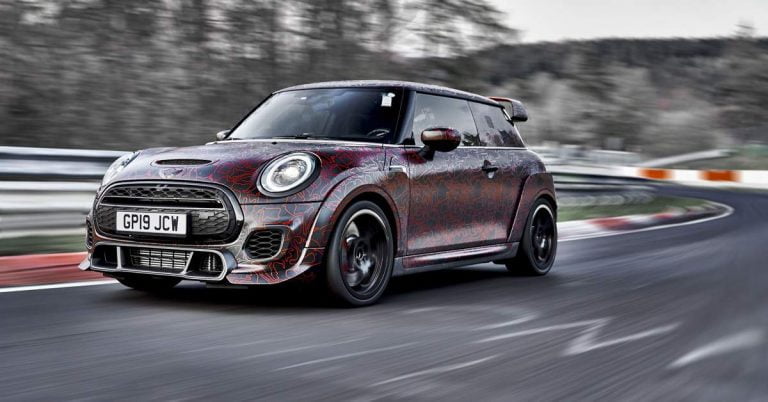
Mini Coopers outperform most larger vehicles in snowy conditions due to engineering precision. The compact platform, front-wheel-drive dynamics, and available all-wheel-drive technology position these cars as legitimate winter performers. Success depends on three factors: winter tires, driving technique, and understanding ground clearance limitations.
credit: www.minif56.com
The Front-Wheel Drive Advantage
The Mini Cooper’s front-wheel drive places engine weight directly over the tires that propel the car forward. This weight distribution matters significantly on ice and snow. When accelerating on slippery surfaces, the driven wheels bear approximately 60% of the vehicle’s mass, generating friction that other drivetrains struggle to match.
Unlike rear-wheel drive cars that often lose traction during acceleration, the Mini’s architecture allows predictable wheel spin. Drivers report navigating snowy streets with confidence in a Mini, often outperforming many SUVs. The low center of gravity maintains precise steering response on packed snow and ice, enabling control through curves without the hesitation taller vehicles experience.
All-Wheel Drive Options
The Mini Countryman offers the ALL4 all-wheel drive system—a predictive, not reactive, platform. The car monitors wheel slip, wiper activation, temperature, and sensor feedback to distribute power before traction loss occurs. At a standstill on snow, ALL4 directs maximum torque to all four wheels, enabling smoother acceleration than front-wheel drive models.
For urban drivers using maintained highways, base front-wheel drive performs well with appropriate tires. For those navigating unplowed mountain passes or rural areas with delayed snow removal, the Countryman with ALL4 justifies its premium pricing. The difference becomes apparent from complete stops and on low-traction surfaces.
Winter Tires: The Critical Decision
Winter tires transform how a Mini handles snow—this is non-negotiable. All-season tires lose approximately 50% of their grip below 45°F; the rubber compound simply stiffens. Summer tires perform even worse. Winter tires use high-silica compounds that remain flexible in deep cold, with thousands of microscopic cuts called sipes that bite into ice crystals.
Tire width affects snow performance differently than pavement. Narrower profiles concentrate weight into a smaller footprint, producing higher pressure that cuts through snow rather than floating. Mini owners often switch from 17-18 inch wheels with all-seasons to 15-16 inch wheels with winter tires, gaining traction while reducing unsprung weight.
Michelin Pilot Alpin, Bridgestone Blizzak, Continental ExtremeContact, Nokian Hakkapeliitta, and Pirelli Winter Sottozero are recommended brands. Testing data shows these models achieving ice braking distances as short as 32-34 feet from 12 mph—significantly better than competitive all-season rubber.
Ground Clearance: The Real Constraint
Standard Mini Coopers offer 5.1 to 6.5 inches of clearance, depending on trim and generation. This is genuinely limiting. When snow exceeds 6 inches, a Mini begins pushing powder. At 7-8 inches, getting stuck becomes likely. This reflects physics—a car with a low center of gravity sacrifices height to maintain stability.
The situation remains manageable if your area receives regular plowing or you drive primarily on maintained roads. Urban drivers rarely encountering more than 4 inches of unplowed snow find this a non-issue. Those with long driveways or rural locations need to factor this limitation carefully.
The Countryman addresses this with 6.5 inches of clearance, making it more capable in deeper snow, though still inferior to true SUVs with 8+ inches of clearance.
Understanding Traction Control Modes
Every Mini offers three traction control modes, and most drivers never explore beyond the default setting.
Dynamic Stability Control (DSC)
Always active by default. The system continuously monitors steering input, wheel speed, and vehicle attitude, cutting power when it detects slipping. DSC keeps you safe in normal winter driving, preventing oversteering and catching unexpected slides.
Dynamic Traction Control (DTC)
Press the traction control button once. This mode permits wheel spin, allowing power delivery during slipping. The car still monitors yaw and prevents complete directional loss, but permits the wheel spin necessary to climb steep snow-covered hills. Above 40 mph, DTC reverts to DSC logic for highway safety.
Electronic Differential Lock Control (EDLC)
Hold the button for three seconds. Maximum driver control with intervention only in extreme events. This is for experienced snow drivers, not public highways.
Most Mini owners recommend DTC mode in snowy conditions. DSC sometimes over-corrects, cutting power when some wheel slip would help you progress. Real-world feedback consistently states that DTC enables better snow performance.
Safety Features Supporting Winter Driving
Modern Minis include anti-lock braking (ABS) and electronic brake force distribution (EBD), both critical for winter safety. ABS prevents wheel lockup during emergency braking on slippery surfaces while maintaining steering control. EBD balances braking force across all wheels, preventing overbraking that causes skids.
The 2025 models add frontal collision warning with automatic brake deployment and available active blind spot detection with lane departure warning. These systems use camera and radar to identify hazards early, providing extra reaction time when visibility is reduced by falling snow.
Dynamic Stability Control works seamlessly with braking systems. When DSC detects a skid forming, it applies brakes to specific wheels and reduces engine torque simultaneously, using overall systems rather than relying on tire grip alone.
Cold Weather Comfort Features
Extended winter driving requires managing cabin temperature and personal comfort. Higher-trim Minis include heated front seats with three-stage intensity, heated steering wheels, and heated side mirrors—functional safety systems, not just amenities.
Heated seats warm your core faster than cabin heating, reducing fatigue on long winter commutes. A heated steering wheel eliminates numbness that causes hand fatigue and reduces grip sensitivity. Dual-zone automatic climate control clears fogged windows rapidly, preventing dangerous visibility reduction.
2025 models feature climate memory. Turn on seat heating during a break, and the system automatically reactivates it when you resume driving after up to 15 minutes of parking.
Real-World Owner Feedback
Mini owner communities across Buffalo, Vancouver, and Vermont reveal consistent themes. Owners in significant snowfall regions state that a Mini with winter tires outperforms neighbors’ larger vehicles in mixed winter conditions.
Minis handle snow-packed neighborhood streets exceptionally well due to size and agility. They navigate tight parking lots, accelerate smoothly from stops, and corner with surprising confidence. The lightweight construction provides quick stopping when traction exists.
The caveat: deep snow is problematic. Multiple owners report getting stuck or high-centering on drifts after 6-7 inches of accumulation. Those in areas receiving only light to moderate snow, or living in urban settings with prompt plowing, report driving their Minis year-round happily. Those on rural roads or receiving 18+ inches of annual snowfall consider switching vehicles.
Versus Competitors
Comparing a Mini Cooper to the Honda Civic or Toyota Corolla with winter tires reveals similar performance. The Mini’s tight steering and responsive brakes give a slight edge in corner handling. Neither is obviously superior in snow.
Where differences emerge: the Mini’s size makes urban winter driving noticeably easier. Finding parking, navigating congested streets, and performing parallel parks in tight snow-lined spaces favor the smaller platform. If your winter driving involves mostly highway travel on plowed routes, the Mini’s size advantage diminishes.
Subaru models with standard all-wheel drive and higher ground clearance (6.7+ inches) maintain advantages in unplowed or deeply snowed conditions. The Subaru Impreza can push through snow where a Mini stops. For regions receiving more than 12 inches of annual snowfall without prompt clearing, these competitors provide genuine capability advantages.
Driving Techniques for Winter Success
Smooth acceleration prevents wheel spin; steering inputs should be gradual rather than abrupt. On snow, jerky movements cause directional loss. Anticipate stops well in advance, avoiding threshold braking that triggers ABS.
When starting from stopped positions on snow, especially on hills, apply throttle gradually to allow traction building. With DTC enabled, momentary wheel spin permits recovery rather than cutting power entirely. Use existing tracks from other vehicles—these packed paths offer better grip than fresh snow.
Don’t add weight to improve traction. Extra weight increases braking distance more than it improves traction. The Mini’s light construction is an advantage—preserve it.
Conditions to Avoid
A Mini should not attempt 12+ inches of unplowed snow. Deep accumulation exceeds geometry capacity and causes undercarriage damage. On unplowed mountain passes where chain-required vehicles struggle, a Mini is inappropriate regardless of tires.
Extreme ice demands extreme caution. The car’s light weight, advantageous in moderate snow, becomes a liability on bare ice where momentum becomes your enemy. Reduce speed well below what stability systems suggest.
Flash-frozen roads are dangerous in any vehicle, but the Mini’s responsive steering makes over-correction easier. These conditions require driving at absurdly low speeds where steering and braking won’t trigger tire slip.
The Realistic Verdict
Mini Coopers are genuinely good winter vehicles if you respect three constraints: winter tires are non-negotiable, ground clearance limits deep snow capability, and driving technique matters more than equipment. In urban environments with prompt snow removal and equipped with quality winter tires and DTC enabled, a Mini outperforms many larger vehicles.
The car’s low center of gravity and front-wheel drive configuration create inherent advantages on slippery surfaces. The ALL4 all-wheel drive option adds capability without transforming the platform into an off-road machine.
For regions receiving moderate snowfall and maintaining plowed main roads, a Mini is excellent—practical, fun, and more capable in winter than casual observers assume. For areas with extreme snowfall, long rural driveways, or delayed snow clearing, larger vehicles serve better. The decision depends on your specific geographic context and driving patterns.