Mini Cooper N14 Engine: Specs, Common Problems & Tuning Power

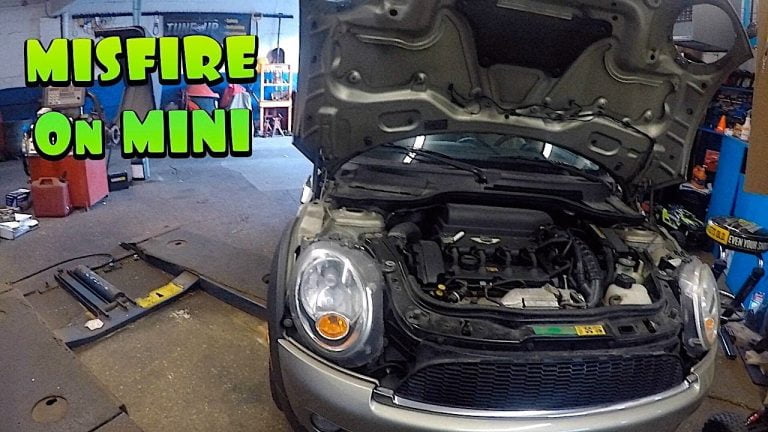
The N14 is a 1.6-litre turbocharged petrol engine found in the R56 Mini Cooper S from 2006 to 2010. It’s quick, tuneable, and notorious for specific failures that can destroy the engine if ignored. Here’s what every buyer and owner needs to know.
Key Specifications at a Glance
The N14 — also called the N14B16A or Prince engine — was co-developed by BMW and PSA Group. You’ll find the same block in Peugeot and Citroën vehicles under the EP6DTS designation.
| Specification | Detail |
|---|---|
| Displacement | 1,598 cc (1.6L) |
| Stock power | 174 hp / 240 Nm |
| Turbocharger | BorgWarner K03 |
| Valvetrain | DOHC, 16-valve |
| Fuel system | Direct injection |
| Timing system | Chain-driven with phase regulator |
| Emissions | Euro 4 |
| Engine lifespan | ~200,000 km with proper care |
This engine sits only in the Cooper S — not the base Cooper. If you’re unsure which model you’re buying, check the Mini Cooper vs Cooper S breakdown before committing. And to understand how long the R56 platform can realistically last, read about how long do Mini Coopers last.
Top 5 Common N14 Engine Failures
This is where it gets serious. The N14 has a well-documented failure pattern — and most problems trace back to one root cause: oil starvation.
1. Timing chain snapping
Low oil pressure starves the timing chain tensioner. The chain stretches, then skips teeth, then snaps. Complete engine destruction follows. This is the N14’s biggest single killer. Many owners were unaware until the Mini Cooper timing chain recall brought it into the spotlight.
2. Valve coking (carbon buildup)
Direct injection doesn’t wash the intake valves with fuel. Carbon deposits accumulate. Power drops, misfires appear, and walnut blasting becomes necessary every 40,000–60,000 miles.
3. High-pressure fuel pump failure
The HPFP can fail without warning. Symptoms include hard starts, hesitation under acceleration, and fault codes P0087 or P1093. Replacement costs £400–£700 fitted.
4. Excessive oil consumption
Some N14 engines burn 1 litre per 1,000 miles. That’s not a leak. It’s combustion-related consumption that accelerates chain failure if you don’t check levels weekly.
5. Oil starvation from low levels
It’s blunt but true. Owners who skip oil checks find a seized engine. Check the dipstick every 1,000 miles. No exceptions.
Maintenance Requirements to Prevent Failure
You can own an N14 without drama. It requires discipline, not luck.
- Oil spec: 5W-30 fully synthetic (BMW LL-01 approved)
- Oil capacity: 4.2 litres
- Oil change interval: Every 10,000 miles maximum — not the OBC-suggested 15,000
- Spark plugs: Replace every 30,000 miles
- Oil level checks: Every 1,000 miles — non-negotiable
Upgrading the air intake helps engine breathing and reduces heat soak. Check out the best air filter for Mini Cooper S R56 for bolt-on options. A quality best OBD2 scanner for Mini Cooper lets you monitor fuel trim and catch HPFP issues early — before they become expensive. You can also get your Mini Cooper oil changed at independent shops rather than paying dealer prices.
Tuning Potential: Stage 1 & Stage 2 Power Gains
The N14 responds well to tuning. The BorgWarner K03 turbo has genuine headroom beyond stock output.
| Tune Level | Model | Power | Torque |
|---|---|---|---|
| Stock | Cooper S | 174 hp | 240 Nm |
| Stage 1 | Cooper S | 220–230 hp | 320–350 Nm |
| Stage 2 | Cooper S | ~250 hp | ~400 Nm |
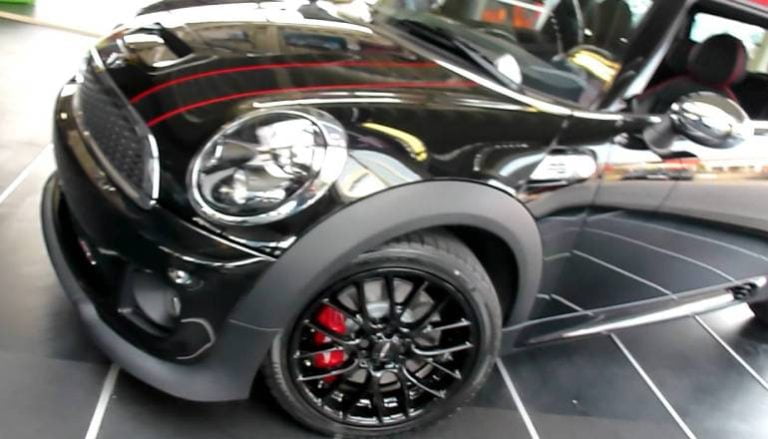
| Stage 1 | JCW | 240–250 hp | 350 Nm |
| Stage 2 | JCW | 260–270 hp | 380 Nm |
Stage 1 typically requires just an ECU remap. Stage 2 adds upgraded intercooler, induction, and exhaust work. Adding best cold air intakes for Mini Cooper S is a common first step. For a full upgrade path toward 300 hp, the Mini Cooper S upgrades to 300 horsepower guide covers every stage. If you want the bigger picture, how to make a Mini Cooper faster maps the full performance journey.
N14 vs. N18: Should You Avoid the N14?
The N18 replaced the N14 in 2011 across the R56, R55, and R57 ranges. It’s better. That’s the short answer.
The N18 added port injection alongside direct injection, which largely solved valve coking. The timing chain tensioner design improved too. Oil consumption dropped significantly.
The N14 isn’t a death sentence. It’s a manageable engine with known failure modes. But it demands more attention than the N18. If you’re choosing between a 2009 Cooper S and a 2012 Cooper S at the same price, take the 2012. The repair costs on an N14 that’s been neglected can stack fast — see are Mini Coopers expensive to maintain for real cost data. If you’re already comparing generations, the Mini Cooper R53 vs R56 comparison adds useful context on which platform suits your needs.
The Bottom Line
The N14 is a rewarding engine when maintained correctly. Change the oil every 10,000 miles with 5W-30, check levels weekly, and fix the timing chain before it fails. Do that, and 200,000 km is achievable. Skip it, and repair bills will follow fast.