P1497 Mini Cooper Code: Complete Diagnostic & Fix Guide (2026)

The P1497 diagnostic trouble code in your Mini Cooper indicates an evaporative emission system leak has been detected. This emissions-related fault triggers your check engine light and requires prompt attention to prevent potential emissions test failures and component damage.
The P1497 code specifically points to a leak in your Mini Cooper’s EVAP system, which captures fuel vapors from the tank and redirects them to the engine for combustion. When this system develops a leak, your vehicle’s computer detects the pressure loss and stores the P1497 code.
This comprehensive guide walks you through understanding, diagnosing, and fixing the P1497 code in your Mini Cooper. You’ll learn the most common causes, step-by-step diagnostic procedures, repair solutions, and prevention strategies to keep this issue from returning.
Understanding P1497 Code in Mini Cooper
What P1497 Means for Your Mini Cooper
The P1497 code translates to “Evaporative Emission Control System Leak Detected” in Mini Cooper vehicles. This fault indicates your EVAP system cannot maintain proper vacuum pressure during the leak detection test performed by your vehicle’s powertrain control module.
Mini Cooper’s EVAP system consists of several key components: the fuel tank, carbon canister, purge valve, vent valve, and connecting vacuum lines. When any of these components develop a leak, the system loses its ability to contain fuel vapors effectively.
Your Mini Cooper performs automated EVAP system tests during specific driving conditions. The system creates a vacuum in the fuel tank and monitors pressure decay over time. If pressure drops faster than programmed parameters allow, the P1497 code triggers.
Technical Definition
The P1497 code indicates a gross leak in the evaporative emission system, typically larger than 0.040 inches in diameter. This differs from smaller leak codes like P0442, which detect minor leaks around 0.020 inches.
Modern Mini Cooper models use enhanced EVAP systems with natural vacuum leak detection. The system monitors fuel tank pressure during normal driving conditions rather than requiring engine vacuum to perform tests.
The code severity ranges from moderate to high depending on leak size and location. Large leaks near the fuel tank pose greater emissions concerns than smaller leaks in vacuum lines.
Common Symptoms of P1497 in Mini Cooper
Your Mini Cooper displays several warning signs when the P1497 code is present. The check engine light remains the primary indicator, typically staying illuminated rather than flashing intermittently.
Fuel economy may decrease slightly due to lost fuel vapors escaping into the atmosphere rather than being burned in the engine. Most drivers notice a reduction of 1-2 MPG, though this varies based on leak severity and driving patterns.
Strong fuel odors around your vehicle, particularly near the rear quarter panels or fuel door area, indicate EVAP system leaks. These odors become more noticeable when parking in enclosed spaces or during hot weather when fuel vapors expand.
Immediate vs. Long-term Symptoms
Immediate symptoms appear within days of the leak developing. The check engine light activates first, followed by fuel odors if the leak is substantial enough.
Long-term symptoms develop over weeks or months of driving with an unrepaired P1497 code. Emissions test failures become likely, and carbon canister saturation may occur if fuel vapors overwhelm the system’s capacity.
Performance impacts remain minimal with P1497 codes compared to engine-related diagnostic trouble codes. Your Mini Cooper continues running normally in most cases, though emissions compliance becomes compromised.
Root Causes of P1497 Code in Mini Cooper
Mini Cooper Specific Components
Fuel cap failures account for approximately 40% of P1497 codes in Mini Cooper vehicles. The cap’s rubber gasket degrades over time, especially in extreme temperature climates, creating a leak path that triggers the code.
Carbon canister issues represent another 25% of P1497 occurrences. Mini Cooper’s compact engine bay design places the canister in locations prone to heat exposure and vibration damage, particularly in models from 2007-2013.
Purge valve malfunctions cause roughly 20% of P1497 codes. These electrically-controlled valves stick open due to carbon buildup or fail mechanically from constant cycling during normal operation.
Vacuum line deterioration affects about 10% of cases, with rubber lines cracking from engine heat exposure. Mini Cooper’s routing places some EVAP vacuum lines near exhaust components where thermal cycling accelerates aging.
Fuel tank ventilation problems account for the remaining 5% of P1497 codes. Vent valve failures or blocked ventilation paths create pressure imbalances that register as system leaks.
Age-Related Failures
Mini Coopers with over 80,000 miles show increased P1497 frequency due to component aging. How long Mini Coopers typically last depends partly on emissions system maintenance, with EVAP components typically requiring attention between 80,000-120,000 miles.
Model years 2007-2011 experience higher P1497 rates due to first-generation carbon canister designs. Later models use improved materials and mounting locations that reduce failure frequency.
Heat cycling from repeated warm-up and cool-down cycles degrades rubber seals and gaskets throughout the EVAP system. Urban driving with frequent short trips accelerates this degradation compared to highway driving patterns.
Pre-Diagnostic Preparation and Safety
Essential Tools
An OBD2 scanner capable of reading emissions-related codes is essential for P1497 diagnosis. Best OBD2 scanner for Mini Cooper models include live data capability to monitor EVAP system operation during testing.
Basic hand tools include metric wrenches, screwdrivers, and pliers for component access and removal. A digital multimeter helps test purge valve electrical circuits and resistance values.
Smoke testing equipment provides the most accurate leak detection method, though professional-grade units cost $300-800. Alternative methods using shop vacuum and soapy water solution work for DIY diagnosis.
Safety Guidelines
Work in well-ventilated areas to prevent fuel vapor accumulation. Avoid smoking or open flames within 50 feet of your work area when testing EVAP system components.
Disconnect the battery negative terminal before removing electrical connectors from EVAP components. This prevents accidental short circuits and protects sensitive electronic modules.
Allow your Mini Cooper to cool completely before beginning diagnostic work. Hot engine components can ignite fuel vapors if leaks are present during testing.
Wear safety glasses when using compressed air or vacuum testing equipment. Debris from vacuum lines or carbon canister particles can cause eye injuries.
Step-by-Step Diagnostic Procedure
Initial Inspection
Connect your OBD2 scanner and verify the P1497 code is present along with any additional related codes. Record all codes before clearing them, as some intermittent codes provide diagnostic clues.
Check for obvious EVAP system damage during a visual inspection. Look for disconnected vacuum lines, cracked fuel cap gaskets, or damaged carbon canister housings before proceeding with detailed testing.
Verify your Mini Cooper’s fuel level is between 1/4 and 3/4 full for accurate EVAP system testing. Empty or completely full tanks can affect system pressure readings and lead to false diagnostic results.
Start with the fuel cap since it causes 40% of P1497 codes and requires minimal tools to test. Remove the cap and inspect the rubber gasket for cracks, hardening, or deformation that would prevent proper sealing.
Advanced Testing Methods
Test fuel cap sealing by applying petroleum jelly to the gasket and reinstalling the cap. Clear the P1497 code and drive 20-30 miles through varied conditions to complete a drive cycle. If the code doesn’t return, replace the fuel cap.
Locate the purge valve, typically mounted on the intake manifold or nearby firewall area in Mini Coopers. Disconnect the electrical connector and measure resistance across the valve terminals using your multimeter.
Purge valve resistance should measure 20-30 ohms at room temperature. Values outside this range indicate valve failure requiring replacement. Also check for 12V power at the connector with the ignition on.
Access the carbon canister, usually located behind the rear bumper or under the vehicle near the fuel tank. Inspect vacuum line connections and look for cracks or damage to the canister housing.
Perform a vacuum test by connecting a hand pump to the canister’s purge port and applying 15 inches of mercury vacuum. The system should hold vacuum for at least 30 seconds without significant decay.
P1497 Mini Cooper diagnostic troubleshooting requires systematic testing of each component to isolate the leak source accurately. Professional smoke testing equipment can locate leaks that visual inspection misses.
Repair Solutions and Cost Estimates
DIY Repairs
Fuel cap replacement represents the easiest P1497 repair, requiring 5 minutes and costing $15-30 for OEM caps. Aftermarket caps cost less but may not seal as effectively as genuine Mini Cooper parts.
Vacuum line replacement costs $5-15 per line and takes 15-30 minutes depending on location. Use only fuel-resistant vacuum line rated for automotive EVAP systems to prevent premature failure.
Purge valve replacement involves disconnecting two vacuum lines and one electrical connector. New valves cost $40-80, and installation takes 20-40 minutes with basic tools.
Carbon canister replacement represents the most complex DIY repair, requiring vehicle lifting and fuel system component access. New canisters cost $120-250, with 2-4 hours installation time.
Professional Service Options
Independent shops charge $100-150 diagnostic fees for P1497 troubleshooting, including smoke testing and component verification. Mini Cooper dealerships typically charge $150-200 for similar diagnostic services.
Labor rates for P1497 repairs vary by component and location. Fuel cap replacement includes minimal labor, while carbon canister service ranges from $200-400 in labor charges.
Mini Cooper maintenance and repair costs for EVAP system work typically fall in the moderate range compared to engine or transmission repairs.
Total repair costs including parts and labor range from $50-600 depending on the failed component:
- Fuel cap: $50-100 total
- Vacuum lines: $75-150 total
- Purge valve: $150-250 total
- Carbon canister: $350-600 total
Professional diagnosis often saves money by identifying the exact problem rather than replacing multiple components through trial and error.
Prevention and Maintenance Tips
Regular fuel cap inspection prevents many P1497 occurrences. Check the gasket condition every 6 months and replace caps showing wear, cracking, or hardening before they fail completely.
Use quality fuel from reputable stations to reduce contamination in your EVAP system. Poor quality gasoline contains more impurities that can clog carbon canisters and damage purge valves over time.
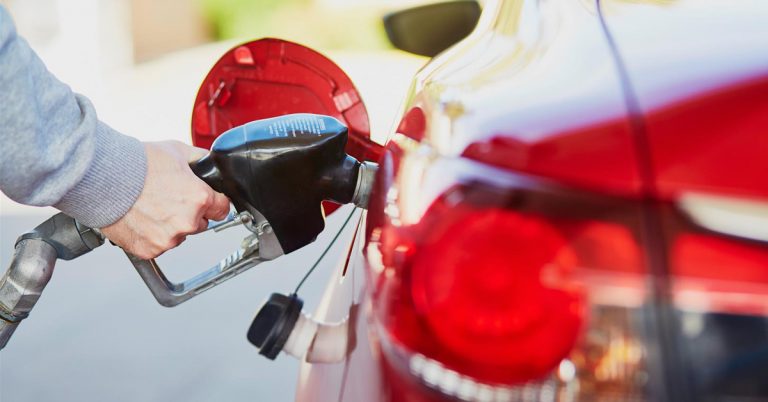
Avoid topping off your fuel tank after the pump automatically stops. Overfilling can saturate the carbon canister with liquid fuel, causing premature failure and P1497 codes.
What kind of gas Mini Cooper requires affects EVAP system longevity, with premium fuels containing fewer vapor-forming additives that stress system components.
Monitor your check engine light promptly when it appears. Early P1497 code diagnosis and repair prevents secondary damage to expensive components like the carbon canister.
Replace EVAP system components as preventive maintenance around 100,000 miles, particularly fuel caps and vacuum lines that show age-related deterioration. This proactive approach costs less than emergency repairs and prevents emissions test failures.
Store your Mini Cooper with a full fuel tank during extended periods to minimize air space where condensation can form. Moisture in the fuel system can cause EVAP component corrosion and premature failure.
Follow proper maintenance schedules for related systems including what type of coolant Mini Cooper uses and Mini Cooper oil change service options to maintain overall vehicle health and prevent interconnected system problems.
Final Thoughts
Distinguish P1497 symptoms from other issues like Mini Cooper transmission problems by understanding that EVAP codes rarely affect vehicle performance or drivability compared to powertrain-related faults.
The P1497 code in your Mini Cooper requires attention but represents a manageable repair in most cases. Following systematic diagnostic procedures identifies the root cause efficiently, while preventive maintenance reduces the likelihood of recurrence. Address P1497 codes promptly to maintain emissions compliance and prevent more expensive secondary damage to your EVAP system components.