
Can You Tow an AWD Car? Safe Methods & Step-by-Step Guide

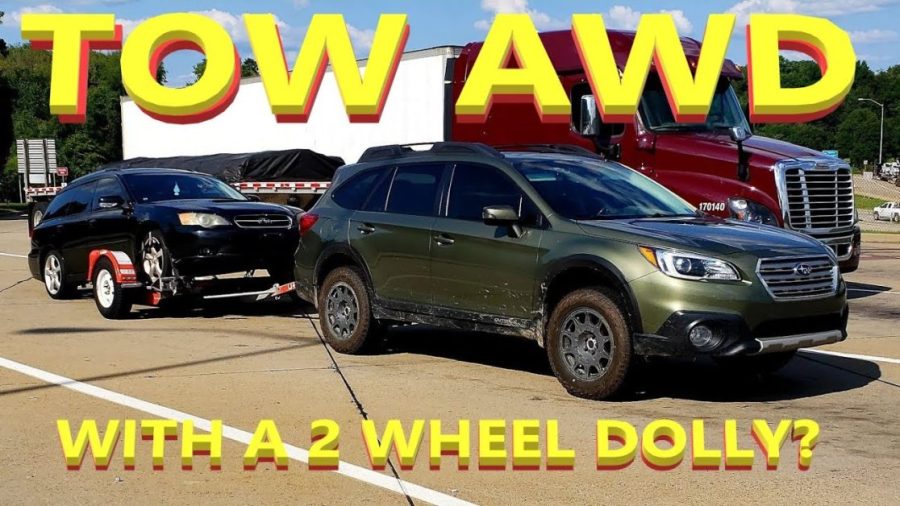
Yes, you can tow an all-wheel-drive (AWD) car, but only with all four wheels off the ground. Flatbed towing is the safest method. Any other approach risks severe drivetrain damage.
AWD vehicles distribute power to all four wheels simultaneously. This creates unique challenges during towing. Unlike front-wheel or rear-wheel drive cars, AWD systems can suffer catastrophic damage if towed incorrectly.
When wheels remain on the ground during towing, they rotate at different speeds than the lifted wheels. This causes the drivetrain to work against itself. The result? Expensive transmission repairs, differential damage, and transfer case failure.
This guide covers safe AWD towing methods, step-by-step procedures, and critical mistakes to avoid. We’ll also explore modern considerations like EV tow modes and manufacturer-specific requirements. By the end, you’ll know exactly how to protect your AWD investment during roadside emergencies.
Why AWD Cars Require Special Towing (Drivetrain Risks Explained)
AWD systems constantly balance power between all four wheels. This sophisticated engineering becomes a liability during improper towing. Understanding why helps prevent costly mistakes.
Traditional two-wheel-drive vehicles can be towed with their non-powered wheels on the ground. Front-wheel-drive cars can be towed from the rear. Rear-wheel-drive vehicles can be lifted from the front. AWD eliminates these simple options.
The transfer case in AWD vehicles connects the front and rear axles. When some wheels turn while others don’t, this component experiences extreme stress. Modern Jeep Cherokee police car units have suffered transfer case failures from improper towing. The repair costs often exceed $4,000.
Differential damage represents another major risk. AWD differentials compensate for wheel speed variations during normal driving. During towing, speed differences become extreme and constant. Metal components overheat and fail.
Check your owner’s manual before any towing situation. Manufacturers provide specific guidelines for each model. Some newer vehicles include electronic systems that complicate towing further.
Common Myths (Neutral Doesn’t Protect)
Many drivers believe shifting to neutral protects the transmission during towing. This assumption is dangerously wrong. Neutral disengages the engine from the transmission but doesn’t disconnect the wheels from the drivetrain.
In neutral, wheels still turn differentials and transfer cases. The damage occurs in these components, not the transmission itself. Automatic transmissions also lack proper lubrication when the engine isn’t running.
Some AWD systems include “disconnect” features for flat towing. These are rare and typically found only in specific truck models. Never assume your vehicle has this capability without consulting the manual.
Best Method: Flatbed Towing for AWD Vehicles
Flatbed towing eliminates all risks by lifting every wheel off the ground. This method works for any distance and any AWD vehicle. Professional tow services universally recommend flatbeds for AWD cars.
Step 1: Position the flatbed truck safely. The driver should park on level ground with hazard lights activated. Traffic safety comes first.
Step 2: Prepare the loading area. The flatbed tilts to create a ramp. Ensure the angle isn’t too steep for your vehicle’s ground clearance.
Step 3: Guide or winch the vehicle onto the bed. If the car runs, drive it slowly onto the flatbed. For disabled vehicles, the winch cable attaches to the proper towing points.
Step 4: Center the vehicle on the bed. Proper weight distribution prevents shifting during transport. The car should sit evenly between the side rails.
Step 5: Secure with chains and straps. Professional operators use multiple attachment points. Front and rear tie-downs prevent forward and backward movement. Side attachments control lateral shift.
Step 6: Engage the parking brake. This provides additional security during transport. Some operators also use wheel chocks.
Step 7: Final safety inspection. Check all attachment points before departure. Nothing should be loose or marginal.
Flatbed towing costs more than other methods, but prevents thousands in repair bills. Jeep Wrangler towing capacity specs become irrelevant when your vehicle needs rescue. The investment protects your drivetrain completely.
Professional services handle the entire process. You don’t need special tools or knowledge. The expertise ensures safe transport regardless of distance.
Alternative: Wheel-Lift or Dolly Towing (With Precautions)
Wheel-lift towing with dollies can work for AWD vehicles in specific circumstances. This method requires careful preparation and significant limitations. Most experts discourage it except for emergencies.
The process involves lifting either the front or rear wheels with a tow truck. The remaining wheels go onto a dolly or trailer. All wheels end up off the ground, theoretically protecting the drivetrain.
Step 1: Determine which end to lift. Check your owner’s manual for manufacturer recommendations. Some AWD systems prefer front lifting, others rear lifting.
Step 2: Position the dolly properly. The dolly must align perfectly with the wheels remaining on the ground. Misalignment causes loading problems and potential damage.
Step 3: Secure the lifted end. Standard wheel-lift procedures apply. The tow truck cradle grips the tires securely without rim damage.
Step 4: Drive or winch onto the dolly. This step requires careful coordination between the tow operator and any assistants. Uneven loading stresses the vehicle.
Step 5: Secure dolly straps and chains. Both the dolly wheels and vehicle wheels need restraints. Double-check all connections before transport.
Step 6: Test the setup before driving. Move slowly at first to ensure everything tracks properly. Listen for unusual noises or vibrations.
Step-by-Step Dolly Setup
Dolly setup demands precision and patience. Rushing this process creates safety hazards and potential damage.
Position the dolly perpendicular to the vehicle’s centerline initially. Adjust alignment gradually as the wheels approach the ramps. Perfect alignment prevents tire scrubbing and loading difficulties.
Use the dolly’s winch if available rather than driving power. This provides better control and reduces stress on the vehicle’s drivetrain during loading.
Critical limitations apply to this method. Distance should remain under 50 miles when possible. Highway speeds increase stress on all components. Emergencies only justify this approach.
Preparing Your AWD Car for Towing (Pre-Tow Checklist)
Modern AWD vehicles, especially electric and hybrid models, require specific preparation before towing. Tesla’s innovative technology includes special tow modes that must be activated. Preparation prevents additional complications during the towing process.
Activate tow modes if available. Many 2020+ vehicles include electronic tow modes accessible through infotainment screens. This setting disconnects certain drivetrain components electronically. Look for “Service” or “Towing” menus in your vehicle’s settings.
Shift to neutral properly. Don’t simply move the gear selector. Many modern vehicles require specific procedures to achieve a true neutral. Consult your manual for the exact sequence.
Consider battery disconnection. Some vehicles benefit from battery disconnection during long tows. This prevents electronic systems from interfering with tow mode settings. However, disconnection may also disable necessary safety systems.
Gather required tools. Most professional towing requires no tools from the vehicle owner. However, keep your owner’s manual accessible for reference. Emergency contact numbers should also be readily available.
Document pre-tow condition. Take photos of existing damage before towing begins. This protects you from liability for pre-existing issues. Insurance companies often require this documentation.
Verify towing point locations. AWD vehicles have specific attachment points for winches and tie-downs. Using incorrect points can damage suspension components or body panels. Tesla charging compatibility parallels towing compatibility – not all methods work with all vehicles.
Check fluid levels if possible. Low transmission or differential fluids increase damage risk during any type of towing. Top off fluids if you have access and the vehicle is operational.
Disable anti-theft systems. Some security systems interfere with tow mode operation. Temporarily disable these systems if your manual recommends it. Re-enable them after successful transport.
Remove valuable items. Towing involves vehicle handling by strangers. Secure valuables separately to prevent loss or theft. This includes removable electronics and important documents.
Common Mistakes to Avoid When Towing an AWD
Improper AWD towing destroys drivetrains quickly and expensively. These mistakes happen frequently because they seem logical to drivers familiar with two-wheel-drive towing.
Never use a two-wheel lift without a dolly. This is the most expensive mistake possible with AWD vehicles. Leaving any wheels on the ground while others are lifted guarantees drivetrain damage. Repair costs typically exceed $3,000.
Don’t assume neutral provides protection. We’ve covered this myth, but it bears repeating. Neutral position doesn’t disconnect wheels from differentials and transfer cases. Modern Tesla-style electric drivetrains have different neutral characteristics but similar towing risks.
Avoid long-distance non-flatbed towing. Even Dolly methods stress AWD components during extended transport. Limit alternative methods to emergencies and short distances under 25 miles.
Don’t ignore manufacturer specifications. Every AWD system has unique characteristics and limitations. Your Subaru’s requirements differ from your neighbor’s BMW. Generic advice doesn’t account for these differences.
Don’t skip professional consultation when uncertain. Guessing costs more than expert advice. Towing companies deal with AWD vehicles daily and understand the risks. Their knowledge prevents expensive mistakes.
| Towing Method | Safety Rating | Distance Limit | Cost Level | AWD Suitability |
|---|---|---|---|---|
| Flatbed | 100% Safe | Unlimited | High | Excellent |
| Wheel-lift + Dolly | 85% Safe | Under 50 miles | Medium | Fair |
| Two-wheel lift only | 0% Safe | Never acceptable | Low | Dangerous |
| Four-wheel flat tow | 0% Safe | Never acceptable | Low | Catastrophic |
Consider weather and road conditions. Poor conditions increase stress on towing equipment and vehicles. Ice, snow, and rain make alternative towing methods even riskier. Flatbed towing provides better stability in adverse conditions.
Don’t rush the process. Proper setup takes time regardless of the method chosen. Rushing leads to missed steps and improper securement. Patient preparation prevents accidents and damage.
When to Call Professional Towing Services
Professional towing becomes essential in several specific situations. Recognition of these scenarios prevents damage and ensures safety. Most Jeep Wrangler towing capacity discussions focus on what the vehicle can pull, but knowing when it needs professional rescue matters equally.
Long-distance transport always requires professionals. Anything over 25 miles should use professional flatbed service. The cost difference between professional and amateur service becomes insignificant compared to potential repair bills.
Complex traffic situations need expert handling. Highway breakdowns, busy intersections, and limited access areas require experienced operators. Professional drivers understand traffic management and safety protocols.
Uncertain vehicle conditions demand professional assessment. If you’re unsure about your AWD system’s specific requirements, don’t guess. Professional tow operators deal with every vehicle type and understand the nuances.
Adverse weather conditions multiply risks significantly. Snow, ice, rain, and high winds make towing dangerous for amateurs. Professional equipment and experience can handle these conditions safely.
Legal and insurance considerations favor professional services. Your insurance may not cover damage from improper towing. Professional operators carry appropriate liability coverage. This protection transfers financial risk away from you.
Cost considerations often drive people toward cheaper alternatives. However, AWD repair costs dwarf towing expenses. Professional flatbed service typically costs $100-300. Transfer case replacement costs $4,000-8,000.
Emergencies require immediate professional response. Don’t attempt complex AWD towing during emergencies. Call professionals and wait for proper equipment. Your safety matters more than convenience.
Professional services also provide additional benefits beyond safe transport. Many offer roadside assistance for minor issues. They can often diagnose problems and recommend solutions.
FAQ
Can you tow an AWD car in neutral?
No, neutral doesn’t protect AWD drivetrains during towing. Wheels still connect to differentials and transfer cases in neutral. These components suffer damage when wheels rotate at different speeds. Only flatbed towing with all wheels off the ground provides complete protection.
Is Dolly towing safe for AWD vehicles?
Dolly towing can work for short distances under 50 miles with a proper setup. All wheels must be off the ground using a wheel-lift plus dolly combination. This method carries higher risks than flatbed towing. Use only for emergencies when flatbed service isn’t available.
Do electric AWD vehicles have different towing requirements?
Yes, electric AWD vehicles often include special tow modes that disconnect drivetrain components electronically. Electric vehicle technology continues evolving, including towing capabilities. Activate these modes before towing and consult the manufacturer’s guidelines for specific procedures.
How much does AWD towing cost compared to regular towing?
AWD towing costs the same as regular flatbed service, typically $100-300 for local transport. The vehicle type doesn’t affect flatbed pricing. However, AWD vehicles require flatbed service, whereas others might use cheaper wheel-lift methods.
Can you flat tow any AWD vehicle behind an RV?
No, flat towing (four wheels down) damages virtually all AWD systems. Some manufacturers offer specific models with disconnectable transfer cases for flat towing. These are extremely rare and require manual verification. Assume your AWD vehicle cannot be flat towed without explicit manufacturer approval.
Final Tips & Next Steps
AWD towing requires careful attention to manufacturer specifications and professional expertise. These final considerations ensure safe transport and prevent costly mistakes.
Always verify procedures with your owner’s manual first. Generic advice doesn’t account for your specific vehicle’s requirements. Manufacturers understand their systems best and provide definitive guidance. Keep manual contact information readily accessible for roadside emergencies.
Establish relationships with reputable towing services before you need them. Research local companies that specialize in AWD vehicles and own flatbed equipment. Store their contact information in your phone and vehicle. Emergencies aren’t ideal times for company research.
Consider roadside assistance coverage that specifically includes flatbed service. Many basic plans use the cheapest towing method available. AWD vehicles need flatbed coverage guaranteed. Read policy details carefully and upgrade if necessary.
Document your vehicle’s towing requirements for quick reference. Create a summary card with key information from your manual. Include preferred methods, tow mode activation procedures, and emergency contacts. Keep this information in your wallet and glove compartment.
Stay informed about recalls and updates related to towing. Manufacturers occasionally issue updates about towing procedures for specific models. Register for recall notifications and check periodically for new information.
Practice tow mode activation when your vehicle is operational. Don’t wait for an emergency to learn your vehicle’s procedures. Familiarity reduces stress and prevents mistakes during actual breakdowns.
Your AWD investment deserves protection through proper towing methods. Flatbed service costs less than one major drivetrain repair. Professional expertise ensures safe transport regardless of circumstances. Plan, choose reputable services, and never compromise on proper procedures.