How a Hole in Your Exhaust Affects Your Car: Complete Impact Guide 2026

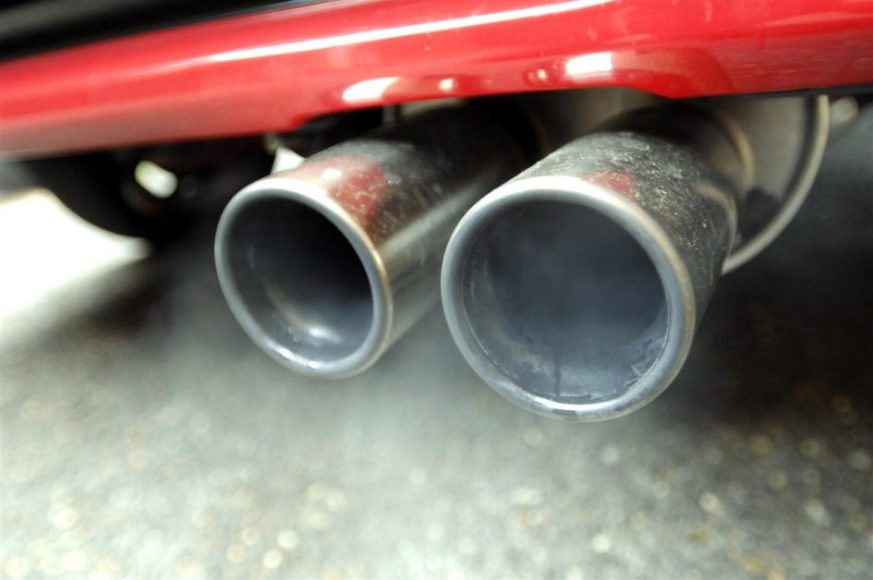
A hole in your exhaust system damages engine performance, fuel economy, emissions control, and your health. That minor-seeming damage creates cascading problems that compound over time.
What an Exhaust Hole Really Does to Your Engine
Your exhaust system moves combustion gases away from your engine through precise pressure patterns. A hole disrupts this balance completely.
Exhaust gases escape through the hole instead of traveling the full system path. This breaks the engineered pressure dynamics your engine depends on. Your engine must work harder to expel waste gases, consuming more fuel and producing less power.
The problem centers on back pressure—the resistance that helps your engine expel gases efficiently. When exhaust escapes through a hole, your engine loses this critical pressure support. Combustion gases linger longer in your cylinders, reducing the volume available for fresh air and fuel.
Engine Performance Decline: Power, Acceleration, and Responsiveness
Performance loss happens immediately after a hole develops. Your car accelerates slower, especially on highways or hills where you need quick power delivery.
Incomplete combustion causes the performance drop. Each power stroke produces less energy because the spent gases remain in the cylinders longer. Your engine generates fewer horsepower and less torque.
The severity depends on the hole location. A muffler hole produces minor power loss. A manifold hole near the engine creates dramatic performance problems because exhaust escapes before the muffler can direct it properly.
Highway merging and uphill driving reveal the decline most obviously. The car lacks power for quick acceleration. What felt responsive before now feels sluggish.
Fuel Economy Collapse: How an Exhaust Leak Drains Your Tank
Expect 15-40% worse fuel economy after a hole develops. Drivers fill their tanks more frequently—that’s the real-world impact.
Oxygen sensors cause the fuel waste. These sensors sit in your exhaust, measuring oxygen content. When a hole lets atmospheric air enter, the sensor detects abnormally high oxygen levels.
The sensor signals “the engine runs too lean” (insufficient fuel for the air present). Your engine computer responds by adding more fuel. It extends fuel injector duration, dumping extra gasoline into cylinders. This extra fuel burns incompletely and exits as pollution.
Your engine computer adds excess fuel every drive cycle. Over a year, this wasted fuel represents hundreds of dollars in unnecessary spending. The cost multiplies if you drive frequently.
Hole location affects the fuel economy impact severity. Upstream holes cause maximum fuel waste because oxygen sensors receive full exposure to false signals. Downstream holes (behind the catalytic converter) cause less dramatic fuel economy loss.
Dangerous Health Risks: Carbon Monoxide Exposure in Your Cabin
Carbon monoxide produced by your engine can enter your cabin through an exhaust hole. This odorless, colorless gas kills.
Carbon monoxide replaces oxygen in your bloodstream. You remain conscious and unaware you’re being poisoned until symptoms appear. Your body essentially suffocates while you feel only subtle warning signs initially.
Early exposure produces these symptoms:
- Mild headache
- Slight nausea
- Dizziness
- Fatigue and weakness
- Confusion
- Blurred vision
Severe exposure causes loss of consciousness and death.
High-risk scenarios: Idling in traffic with windows up concentrates carbon monoxide inside your vehicle. Sitting in parked garages with the engine running creates lethal conditions within minutes. Long highway drives with a cabin exhaust leak produce chronic low-level exposure—symptoms worsen gradually.
Children and elderly passengers face a higher risk. Pregnant women have particular vulnerability. If you experience unexplained headaches, nausea, or dizziness during driving that stops when you exit the vehicle, investigate for exhaust leaks immediately.
Hole location determines health risk. Manifold and upstream holes pose maximum danger because they leak raw combustion exhaust directly. Downstream holes (muffler perforations) present a lower health risk because exhaust has traveled through the catalytic converter, which removes most harmful compounds.
Oxygen Sensor Malfunction and Cascading Engine Problems
Your oxygen sensors provide precision feedback that your engine computer uses for every fuel decision. An exhaust hole upstream of these sensors floods them with false information.
When exhaust escapes through a hole, atmospheric air enters the system. The oxygen sensor detects extra oxygen and generates a low voltage signal—indicating lean conditions even though the engine runs normally. Your engine computer responds by continuously adding fuel.
This feedback loop damages sensor elements. More fuel means more carbon deposits on oxygen sensor elements. Carbon fouling makes the sensor sluggish and unable to respond to actual oxygen changes. The computer response becomes slower and more inaccurate.
Once fouled, oxygen sensors need replacement even after you fix the exhaust hole. Cleaning won’t restore precision. This means fixing an exhaust leak often requires replacing sensors—adding $300-$600 to repair costs.
Your engine computer adjusts fuel mixture hundreds of times per second using oxygen sensor signals. Corrupted signals from an exhaust hole make these adjustments wild and inaccurate. Your engine may run too rich (excess fuel) or oscillate between rich and lean, producing hesitation and misfires.
Check Engine Light and Emissions Test Failure
The check engine light illuminates because oxygen sensors detect abnormal conditions from exhaust leaks. Common codes include P0171 and P0174 (system running too lean).
Your engine computer stores fault codes in memory. During emissions testing, the computer reports stored codes. Vehicles with active or recent fault codes fail emissions testing—you cannot renew registration until fixed.
The exhaust hole itself causes emissions test failure. A hole lets fresh air enter the system upstream of the oxygen sensor. This dilutes your actual emissions. Testing equipment measures oxygen content. Atmospheric air mixing with combustion exhaust creates artificially high oxygen readings. The test fails because readings don’t match expected patterns.
Even downstream holes cause test failure through oxygen sensor malfunction and stored fault codes.
Damaged Engine Components from Excessive Heat and Pressure Changes
Exhaust escaping through a hole generates superheated gases that damage nearby components. Your exhaust system reaches 400-900°F (200-480°C). Escaping gases hit nearby engine bay parts.
This extreme heat melts wiring insulation, degrades rubber hoses and connectors, and damages plastic fuel lines. Wiring damage causes electrical faults—battery warning lights, intermittent failures, and unexplained component malfunctions. Hose damage leads to coolant leaks or vacuum leaks, both serious problems that compound the original exhaust hole issue.
Pressure fluctuations from an exhaust leak stress engine components. Exhaust pulses create vibrations that shake engine mounts, transmission connections, and fuel lines. These vibrations gradually loosen bolts, crack welds, and damage seals.
Heat damage progresses invisibly for months. Then suddenly, wiring fails, hose cracks rupture, or a seal fails catastrophically. What started as a small exhaust hole now requires fixing multiple collateral damage points, multiplying repair costs significantly.
Visible Signs of an Exhaust Hole Before It Becomes a Major Problem
Identifying an exhaust hole early prevents extensive damage.
Loud rumbling or popping noises from under your vehicle represent the most obvious sign. The muffler dampens engine noise. With a hole bypassing the muffler, engine sounds escape unfiltered. Noise intensifies during acceleration. Drivers describe it as “angry burbling” or “aggressive rumble.” If passersby comment on your car’s unusual loudness, an exhaust hole likely exists.
Black soot accumulation around your exhaust system indicates combustion byproducts escaping through a hole. You’ll see dark carbon deposits around exhaust pipes, manifold connections, or the muffler
Vibrations in the steering wheel or pedals occur when exhaust escapes near engine mounts. Pressurized gas creates vibrations transmitting through the chassis. Vibrations intensify at idle or during acceleration.
A sulfurous or burnt-fuel smell from under your car indicates escaping exhaust fumes. If the smell comes from inside your cabin, carbon monoxide is entering—this requires immediate attention.
A check engine light typically appears within days of a hole developing. Oxygen sensors register abnormal readings almost immediately.
Decreased acceleration and sluggish performance become apparent during highway merges or hill climbs. The car works harder with less throttle response.
Detecting an Exhaust Hole: Professional vs. DIY Methods
Proper diagnosis confirms your suspicion before paying for repairs.
Professional smoke testing represents the gold standard for exhaust leak detection. A mechanic connects a smoke machine to your exhaust with the engine off. Smoke escaping through a hole creates visible streams pointing directly to the leak. This method pinpoints even tiny holes invisible to the naked eye.
Visual inspection involves examining the entire exhaust path from the manifold to the tailpipe. Use a flashlight to check muffler seams, flex pipes, and manifold connections—these common failure points often show visible damage or corrosion.
The tissue or paper towel method works for detecting airflow. Start your engine and hold tissue near suspected leak areas. Escaping exhaust blows the tissue away dramatically. This low-tech approach confirms problem areas before professional diagnosis.
The stethoscope method uses rubber tubing as a listening device. Press one end near suspect areas while holding the other to your ear. A hissing sound indicates air or gas escaping, pinpointing leak locations.
OBD2 scanning reads fault codes stored in your engine computer. Specific codes (P0171, P0174, P0133, P0134) indicate oxygen sensor issues from exhaust leaks. Scanning doesn’t pinpoint the hole location but confirms that an exhaust problem exists.
Repair Options and What to Expect
Exhaust hole repair costs vary dramatically based on hole location and component condition.
Small muffler holes can be temporarily patched for $30-$50 using exhaust sealant products. These temporary fixes buy time but aren’t permanent. Sealant deteriorates within months, requiring proper repair.
Professional muffler repair typically costs $75-$200 in labor plus parts. Mechanics either patch small holes with epoxy sealant or weld small cracks. Welding provides more durability. If the muffler has multiple holes or extensive rust, replacement becomes more cost-effective.
Muffler replacement runs $200-$600, depending on your vehicle. Aftermarket mufflers cost $50-$400. OEM mufflers cost $300-$1,000. Labor typically runs $75-$200.
Exhaust manifold repair or replacement costs considerably more because the manifold bolts directly to your engine. Labor-intensive removal and installation, combined with parts costs, create higher bills. Gasket replacement runs $250-$600 (mostly labor). Manifold welding repairs cost $500-$1,000. Full replacement costs $900-$2,500.
Full exhaust system replacement costs $500-$1,500 for parts and labor (excluding catalytic converter and manifold work).
Professional diagnosis through smoke testing typically costs $50-$100. This investment pinpoints the exact problem, allowing accurate repair quotes rather than guessing.
Timeline: When a Small Hole Becomes Catastrophic
Understanding how quickly problems escalate helps prioritize repair urgency.
Weeks 1-2: A newly developed hole produces noise and slight performance changes. Fuel economy begins declining noticeably. The check engine light may or may not appear.
Weeks 2-8: Oxygen sensors begin fouling from false lean signals. Fuel economy worsens dramatically—20-40% increases occur. If the hole is upstream of the cabin intake vents, you may notice exhaust smells during driving.
Weeks 8-16: Corroded exhaust sections near the hole expand damage. The original small hole may enlarge from thermal stress and vibration. Exhaust manifold gaskets may fail. Engine misfires appear as fuel control deteriorates.
Months 4+: Collateral damage accumulates if left unrepaired. Oxygen sensors may require replacement ($300-$600). Wiring insulation degradation causes electrical faults. Nearby hoses and connections may fail. What started as a simple muffler hole repair now requires addressing multiple systems—dramatically increasing total repair costs.
Prevention: Protecting Your Exhaust System
Simple maintenance practices extend exhaust life significantly.
Regular washing underneath your vehicle removes corrosive salt and road grime that cause rust and perforation. This matters especially in winter climates or coastal areas. Spend a few minutes with a hose washing underneath after driving in salty conditions.
Avoid pothole and debris strikes by staying aware of road conditions. High-speed impacts with road debris or potholes are common exhaust damage causes. Drive cautiously in damaged road sections.
Use quality gasoline and maintain fuel system health. Fuel system problems that cause excessive oil burning damage oxygen sensors and deposits on exhaust components, accelerating corrosion.
Address emissions problems immediately. If your check engine light appears, diagnostic testing reveals exhaust issues before major damage occurs. Many drivers ignore check engine lights, allowing problems to worsen.
Inspect your exhaust during routine maintenance. Every time your car is on a lift for service, visually inspect the exhaust system. Early rust detection allows preventive repair before holes develop.
Key Takeaways
A hole in your exhaust system creates immediate consequences: reduced engine power, dramatically worse fuel economy, dangerous carbon monoxide exposure, and cascading oxygen sensor and engine damage.
Early detection—within the first few weeks—keeps repairs simple and affordable. Delaying repair allows collateral damage to multiply, transforming a $300 repair into a $1,500+ job.
If you notice loud exhaust noise, sudden fuel economy decline, performance loss, or check engine light illumination, have your exhaust system inspected professionally. Smoke testing costs far less than making unnecessary repairs. Address exhaust holes immediately to preserve your vehicle’s performance, protect your health, and avoid compounding costs of delayed repair.