Does a 25-Year-Old Car Need Inspection in New Jersey? A Complete Compliance Guide

The answer depends on when your car was manufactured, not how old it is today. This critical distinction catches many New Jersey vehicle owners off guard. A 25-year-old car from 2001 still requires inspection every two years, while a 30-year-old car from 1995 does not. Understanding this manufactured-year rule determines your inspection obligations immediately.
The Real Rule: Manufactured Year Trumps Age
New Jersey’s inspection framework pivots on a single year: 1996. The federal government mandated that all passenger vehicles manufactured in 1996 and later include On-Board Diagnostic (OBD II) systems—standardized computer systems that monitor emissions performance. This technical requirement became the foundation for New Jersey’s emissions inspection program.
Cars manufactured in 1995 and earlier simply lack OBD II capability. New Jersey stopped tailpipe testing for older vehicles in 2017, partly because inspecting these systems required separate, expensive equipment. Since most pre-1996 cars lack the technology to be tested efficiently, they receive automatic exemption.
For vehicles built in 1996 or later, the inspection requirement persists regardless of current age. A 1996 model manufactured 30 years ago still qualifies for inspection requirements today. Age alone never grants an exemption—manufacturing date does.

Standard Passenger Vehicles: The Biennial Inspection Requirement
Most gasoline-powered passenger vehicles registered in New Jersey manufactured in 1996 or later with a gross vehicle weight rating (GVWR) under 8,500 pounds must complete emissions inspection every two years.
This applies to:
- Standard sedans and coupes
- Hatchbacks and station wagons
- Most passenger trucks and SUVs under 8,500 pounds GVWR
- Bi-fueled vehicles (gasoline/hybrid combinations)
- Farm trucks registered as passenger vehicles
New vehicles receive a five-year grace period after initial registration. This means a freshly purchased 2024 car won’t need inspection until 2029. After that grace period expires, the biennial cycle begins.
The inspection process involves an OBD II system scan that reads your vehicle’s onboard computer for emissions issues. Technicians verify your check engine light status and confirm that emissions control systems are functioning within acceptable parameters. No safety inspection occurs for typical passenger vehicles—the focus remains solely on emissions control.
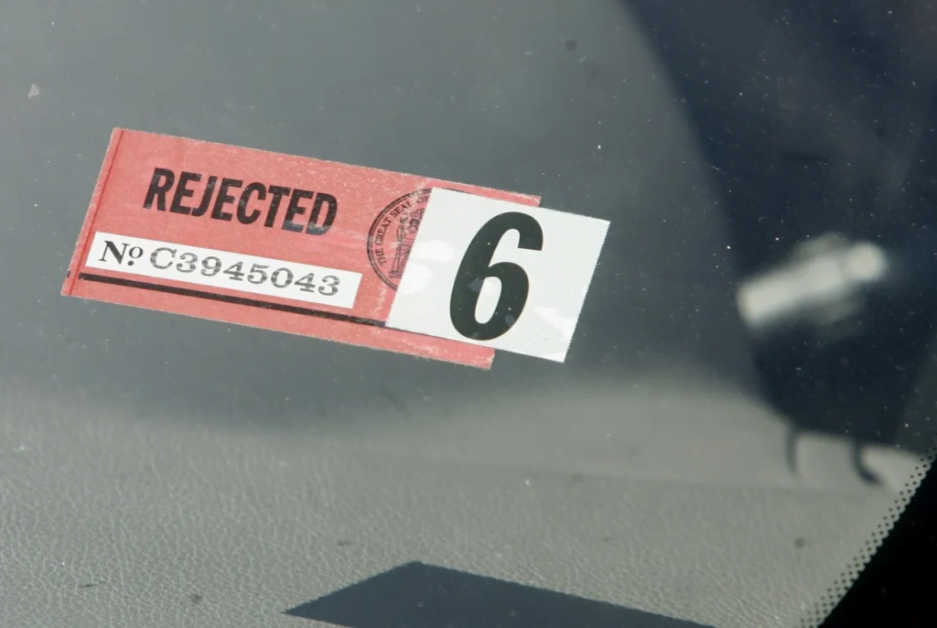
You can schedule an inspection up to two months before your current sticker expires, allowing flexibility for scheduling. The inspection window closes on the expiration date shown on your existing sticker, displayed on your windshield.
Diesel Vehicles: Different Thresholds and Timelines
Diesel-powered passenger vehicles follow a modified timeline. Diesel cars manufactured in 1997 or later with a GVWR under 8,500 pounds require a biennial emissions inspection.
Notably, diesel vehicles manufactured in 1996 are exempt, one year earlier than gasoline vehicles. This exception reflects the federal regulation that established OBD II requirements slightly differently for diesel engines, delaying the diesel mandate by a single year.
Heavier diesel vehicles (8,501 to 17,999 pounds GVWR) registered as passenger vehicles escape standard inspection requirements but are subject to self-inspection rules. Operators must maintain records certifying vehicle compliance without state testing.
The 25-Year Historic Vehicle Path
New Jersey provides a dedicated pathway for vehicles at least 25 years old through historic vehicle registration. To qualify, your vehicle must meet these requirements:
- Manufactured at least 25 years ago
- Maintained in original manufacturer specification (no modifications to appearance or mechanical systems)
- Registered solely for exhibition and educational purposes
- Covered by the minimum required insurance
Historic vehicle owners apply using NJ Motor Vehicle Commission Form SP-121. The application requires a photocopy of your title, two color photographs (front and side views), and the historic registration fee of $44. Once approved, you receive distinctive QQ license plates that exempt your vehicle from all inspection requirements.
Historic registration renews every three years with no renewal fee. This path works best for vehicle collectors, car club members, and restoration enthusiasts who drive occasionally for shows and educational events rather than daily transportation. If your 25-year-old car serves as your primary commuter, historic registration likely won’t work—the “exhibition and educational purposes only” requirement is enforced strictly.
Collector Vehicle Status for Newer Classics
Vehicles less than 25 years old can pursue collector vehicle status if they meet specific criteria. This designation requires:
- Vehicle manufactured in limited production quantities
- Current limited availability on the market
- Operable odometer for mileage verification
- Original, unaltered chassis and frame
- Limited-use insurance policy covering the vehicle
- Maximum 3,000 miles driven annually (or 15,000 over five years)
Collector vehicle applications demand evidence from the manufacturer, recognized car clubs, or collector organizations proving limited production status. Popular base-model cars cannot qualify—only genuinely limited-production or historically significant vehicles pass approval.
Once approved, collectors receive a triangular decal valid for up to five years. Renewal requires resubmission of the application, verification that mileage limits were respected, and the $25 renewal fee. As your vehicle approaches its 25th year of manufacture, the MVC will notify you that renewal is no longer available; you must then convert to historic registration or submit to standard biennial inspections.
Collector status works for special editions, low-production models, and vehicles with documented historical significance. A 1994 limited-production Mustang or a 2000 special-edition Corvette might qualify; a 2002 Honda Civic would not, regardless of sentimental value.
Pre-1996 Vehicles: The Complete Exemption
If your car was manufactured in 1995 or earlier, you’re exempt from all New Jersey inspections. This absolute exemption requires no registration, application, or documentation. Your vehicle simply doesn’t need to pass state testing.
This exemption applies regardless of current condition, mileage, or how frequently you drive. Whether your 1989 pickup truck sits in a driveway or logs 20,000 miles annually, inspection is not legally required. The state determined that the cost and complexity of testing these older systems didn’t justify the environmental benefit, given their small population relative to newer vehicles.
However, exemption from inspection does not mean exemption from equipment standards. Law enforcement can cite drivers for missing or malfunctioning required equipment—broken lights, missing mirrors, unsafe tires, or a non-functional horn. The state simply doesn’t mandate periodic testing of the vehicle’s overall condition.
What Gets Tested During Emissions Inspection
When your 1996 or newer vehicle arrives for inspection, the technician performs three primary assessments:
OBD II System Scan: The technician connects diagnostic equipment to your vehicle’s computer system and retrieves all trouble codes stored in your engine’s memory. This scan identifies emissions control problems even if your check engine light isn’t illuminated. Vehicles failing inspection receive a detailed report listing specific codes and systems requiring attention.
Check Engine Light Status: If your check engine light is currently on, you’ll fail inspection immediately. This light indicates your vehicle’s emissions control system has detected a problem. The light must be off before you can pass, though this doesn’t automatically mean repairs aren’t needed—some issues may not yet trigger the warning.
Emissions System Visual Inspection: Technicians verify that emissions-related components are present and not obviously damaged. Missing catalytic converters, damaged exhaust systems, or disconnected sensors can fail.
The inspection takes 15 to 30 minutes at most facilities. Passing inspection costs nothing at state-operated facilities and $30 to $60 at private inspection stations.
Determining Your Vehicle’s Inspection Status: A Step-by-Step Approach
Follow this decision tree to pinpoint your specific obligation:
Step 1: Verify Manufacturing Date
Locate your vehicle identification number (VIN) and identify the manufacturing year. The 10th character in your VIN represents the model year. Cross-reference that character with the VIN year code (A=2010, B=2011, and so on). Your registration document also lists the manufacturing year.
Step 2: Check Against Key Thresholds
- 1995 or earlier: Stop here. You’re exempt. No inspection required.
- 1996 or later: Continue to Step 3.
Step 3: Confirm Vehicle Type and Weight
Standard gasoline passenger cars under 8,500 pounds GVWR require inspection. Diesel vehicles need inspection only if manufactured 1997 or later. Commercial registrations follow different rules than passenger registrations.
Step 4: Verify Registration Type
Confirm whether your vehicle has standard passenger registration or holds special designation (historic, collector, electric, motorcycle, etc.). Each category follows different rules.
Step 5: Consider Historic or Collector Options
If you have a qualifying vehicle, determine whether a historic or collector designation makes practical sense based on how you plan to use the vehicle. Historic plates require exhibition-use only; collector status limits mileage.
Inspection Frequency and Renewal Timeline
Standard biennial inspection means you must renew your inspection sticker every 24 months from the date your previous inspection passed. Your inspection sticker displays the month and year of expiration.
The calendar drives your timeline. If your inspection sticker expires in June 2026, you must complete inspection by June 30, 2026. The New Jersey Motor Vehicle Commission allows inspection up to two months before expiration, so you could satisfy the requirement anytime between May 1 and June 30, 2026.
Scheduling your inspection early prevents last-minute stress and avoids the possibility of driving with expired documentation. Many vehicle owners schedule inspection during off-peak times (mid-week mornings) to minimize wait times at inspection facilities.
Mark your current inspection date in your calendar and set a reminder three months before expiration. This simple practice eliminates the risk of overlooking your renewal deadline.
Consequences of Driving with an Expired Inspection
New Jersey law enforcement takes inspection compliance seriously. Driving with an expired inspection sticker triggers a traffic violation with meaningful penalties.
Fine: $100 to $200, depending on circumstances and court discretion
Jail Time: Up to 30 days imprisonment (rarely enforced for first violations, but legally possible)
License Consequences: Multiple violations can affect your driving record and potentially impact insurance rates
Law enforcement can issue citations at any traffic stop. Even if the vehicle operates perfectly, an expired sticker alone justifies a citation. The violation appears on your driving record and may result in points affecting insurance premiums.
The economic logic is straightforward: a $30-60 inspection every two years costs far less than a $100+ fine plus court costs plus potential insurance increases.
Where to Complete Your Inspection
New Jersey operates state-certified inspection facilities throughout the state, listed on the official NJ Motor Vehicle Commission website. Search by county or town to find convenient locations.
Private inspection stations—including many gas stations, auto repair shops, and tire retailers—also provide testing. Private facilities charge $30 to $60; state facilities charge nothing.
Choose based on convenience and budget. State facilities cost less but may have longer wait times, particularly near expiration deadlines. Private shops offer shorter waits but charge fees. Both test identically and issue the same sticker.
Bring three documents to any facility:
- Valid driver’s license
- Vehicle registration
- Proof of current New Jersey insurance
Missing any required document prevents inspection and wastes a trip. Verify you have all three before arriving.
Handling Inspection Failure
If your vehicle fails inspection, don’t panic. Failure simply means emissions control systems aren’t meeting state standards. The technician provides a detailed report identifying which systems caused the failure and what specific codes indicate the problems.
Take your report to a trusted mechanic. The diagnostic codes pinpoint which components need attention—whether catalytic converter issues, oxygen sensor problems, or fuel system anomalies. Most failures are repairable within $200 to $1,000, depending on the specific problem.
After repairs, return to any inspection facility for retesting. You have 30 days to retest without additional fees, though some facilities may charge for a second inspection if you wait beyond that window. Once repairs are completed and verified, receiving your passing inspection takes just as long as the initial test.
Save receipts documenting repairs. This paperwork can prove helpful if you question the inspection results or need documentation for warranty purposes.
Electric Vehicles: Special Status
Fully electric vehicles receive a complete exemption from inspections. These vehicles produce zero emissions, eliminating the environmental rationale for testing. No inspection sticker or registration designation is needed—simply register as normal and disregard inspection requirements indefinitely.
Plug-in hybrids that can operate on electric power but also have gasoline engines do not qualify for this exemption. Only fully electric vehicles (100% battery-powered) escape inspection obligations.
Motorcycles and Other Exempt Vehicles
Beyond the categories discussed above, additional vehicles receive inspection exemptions:
- Motorcycles: Completely exempt from inspections
- Motorized bicycles: Exempt
- Farm equipment and tractors: Exempt
- Trailers: Exempt (though certain commercial trailers may have different rules)
These exemptions reflect the low environmental impact of these vehicle categories relative to passenger cars.
Staying Compliant: Best Practices
Mark your inspection expiration date on your calendar immediately after passing inspection. Most vehicles display expiration dates on windshield stickers, making the date visible at a glance.
Schedule your inspection three weeks before expiration. This timeline provides a buffer for scheduling delays while avoiding last-minute urgency. Call ahead if you prefer shorter wait times, and plan for afternoon appointments when some facilities have lower traffic.
Maintain your vehicle between inspections to minimize failure risk. Check for obvious issues—illuminated warning lights, visible damage to exhaust systems, disconnected hoses. Addressing obvious problems before inspection prevents delay and expense.
Keep your driver’s license, registration, and insurance documentation current. Bringing these items to inspection prevents wasted trips.
Summary: Your Inspection Roadmap
A 25-year-old car manufactured in 2001 requires biennial emissions inspection in New Jersey because it was built in 1996 or later. A 25-year-old car from 1995 requires nothing.
Manufacturing year determines obligation, not current age. This single rule resolves most confusion about inspection requirements.
Unless your vehicle qualifies for historic registration (manufactured 25+ years ago, used exhibition-only) or collector status (limited production, under-25 years old), standard biennial inspection applies. Exceptions are limited to specific, documented categories—not general age-based exemptions.
Schedule your inspection during your two-month renewal window, allow 30 minutes at a facility, bring required documents, and maintain your sticker. The modest effort prevents citations and keeps your registration current.