
How to Find 2016 Jeep Patriot Transmission Dipstick Location (Step-by-Step Guide)

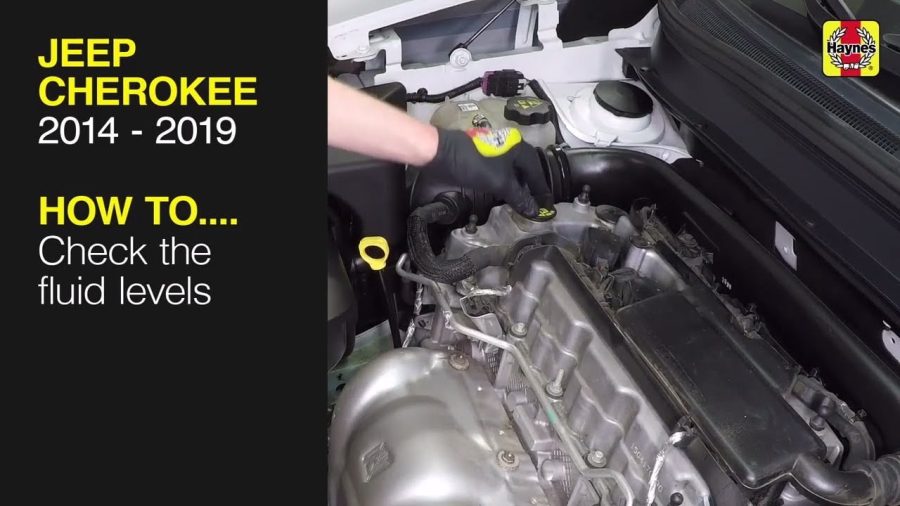
Here’s the straightforward answer: Most 2016 Jeep Patriots equipped with CVT (Continuously Variable Transmission) do not have a traditional transmission dipstick. Instead, these vehicles use a fill plug or electronic sensor system to check fluid levels.
However, some manual transmission Patriots may still have a dipstick. This guide will walk you through identifying your transmission type and properly checking fluid levels regardless of which system your Patriot uses.
Before starting this process, you’ll need basic tools, including a flashlight or work light, clean rags, protective gloves, and potentially a wrench set for accessing fill plugs. Safety is paramount—ensure your vehicle is parked on level ground with the engine cool to prevent burns and get accurate readings. Understanding whether your Patriot has a CVT or manual transmission is crucial, as the checking procedures differ significantly between these systems.
Preparation and Safety Before Checking
Proper preparation prevents accidents and ensures accurate fluid level readings. Park your 2016 Jeep Patriot on level ground and engage the parking brake. Turn off the engine and allow it to cool for at least 30 minutes—hot transmission fluid and components can cause severe burns.
Clean your hands and gather the necessary tools: a high-quality flashlight or work light, clean shop rags or paper towels, nitrile gloves to protect your hands from fluids, and a socket wrench set (typically 10mm or 13mm) for accessing fill plugs on CVT models. Having a small funnel and the correct ATF+4 transmission fluid on hand is also recommended in case you need to add fluid.
Before opening the hood, verify your transmission type by checking the vehicle identification number (VIN) or the underhood emissions label. This information determines whether you’ll be looking for a traditional dipstick or accessing an alternative checking method. Best oil for Jeep Wrangler maintenance practices also apply here—using the correct fluids and following proper procedures ensures longevity.
Tools and Materials List
- Work light or flashlight
- Clean rags or paper towels
- Nitrile or latex gloves
- Socket wrench set (10mm, 13mm common)
- Small funnel (if adding fluid)
- ATF+4 transmission fluid
- Vehicle service manual or smartphone for reference
Identifying Your 2016 Jeep Patriot Transmission Type
The 2016 Jeep Patriot came with two transmission options: a CVT (most common) or a 5-speed manual transmission (rare). Approximately 90% of the 2016 Patriots were equipped with the CVT, which does not use a traditional dipstick system. The manual transmission models, primarily found in base Sport trims, may have a conventional dipstick.
To identify your transmission type, locate the VIN on your dashboard (visible through the windshield) or driver’s door jamb. The 8th digit indicates engine type, while transmission information appears on the underhood emissions label or in your owner’s manual. CVT models will be labeled “CVT2” or similar, while manual transmissions show “Manual” or “5MT.”
This distinction is crucial because CVT systems use a sealed design with fill plugs rather than dipsticks. The CVT’s electronic control module monitors fluid levels and condition, triggering warning lights when issues arise. Manual transmissions may have a dipstick near the firewall, though some use fill plugs as well.
If you’re uncertain about your transmission type, are Jeep Wranglers reliable concerns often stem from transmission issues, making proper identification and maintenance critical for longevity.
Step 1: Open Hood and Locate Engine Bay Overview
Begin by releasing the hood latch inside your Patriot, located on the lower left side of the driver’s area. Exit the vehicle and locate the hood release handle under the center of the hood. Pull this handle while lifting the hood, then secure it with the hood prop rod.
Once the hood is open, allow your eyes to adjust and use your work light to illuminate the engine bay. The 2016 Patriots’ compact engine compartment can make component identification challenging. Clean any excessive dirt or debris from the engine bay using compressed air or damp rags—this prevents contamination when checking fluids.
Familiarize yourself with the basic layout: the engine sits toward the front, the battery is typically on the passenger side, and the transmission housing connects to the engine’s rear section. On CVT models, you’ll see a large, rectangular pan underneath with cooling lines running to the radiator.
Take photos with your smartphone for reference, especially if this is your first time working on your Patriot. Having visual references helps when reassembling components or identifying the correct access points. Similar preparation techniques apply to other Jeep maintenance tasks, such as Jeep Wrangler fender flares replacement OEM procedures, where proper identification prevents mistakes.
Labeled Engine Diagram
Key components to identify:
- Battery (passenger side)
- Air intake assembly (center-front)
- Engine block (center)
- Transmission housing (rear of engine)
- Cooling system lines
- Electrical connectors
Step 2: Find Transmission Housing Near the Engine
The transmission housing on your 2016 Patriot connects directly to the engine block’s rear section. From the battery area, trace toward the center of the vehicle—the transmission sits between the engine and firewall. On CVT models, look for a large, flat pan with multiple bolt heads around its perimeter.
For CVT transmissions, the fluid check/fill point is typically a plug or bolt on the side of the transmission housing, often requiring removal with a 10mm or 13mm socket. This plug may be labeled “FILL” or have a distinctive hex head different from the pan bolts. The location varies slightly depending on your Patriot’s specific CVT variant.
Manual transmission models may have a dipstick tube extending from the transmission housing toward the firewall, though this is uncommon in 2016 models. More likely, manual transmissions also use a fill plug system, with the plug located on the transmission case side or rear.
Be careful not to confuse the transmission components with the engine oil dipstick, which is typically yellow or red-handled and located on the engine block itself. The transmission access points are always on the transmission housing, separate from engine components.
CVT-Specific Locations
CVT systems in the 2016 Patriot typically feature:
- Fill the plug on the driver’s side of the transmission case
- Electronic level sensor (not manually accessible)
- Cooling system connections to the front radiator
- Sealed system design requiring special procedures
Similar identification challenges occur with other Jeep systems, and 2012 Jeep Wrangler misfire troubleshooting requires the same careful component identification to avoid confusion between systems.
Step 3: Access and Check Fluid Level
For CVT Models (Most Common):
Locate the fill plug on the transmission case—usually a hex-head bolt distinct from the pan bolts. Before removal, clean around the plug to prevent debris from entering the transmission. Using the appropriate socket size (commonly 10mm or 13mm), carefully loosen the fill plug by turning counterclockwise.
CRITICAL WARNING: Some CVT systems require the engine to be running and at operating temperature for accurate level checks. Consult your official 2016 Jeep Patriot service manual for specific procedures, as incorrect checking can lead to overfilling or underfilling.
Once the plug is removed, fluid should be visible at or slightly below the plug opening when levels are correct. If no fluid appears, the level is low and requires immediate attention. Insert a clean finger or small tool to gauge the fluid level—it should be just touching the bottom of the fill hole.
For Manual Transmissions:
If your Patriot has the rare manual transmission with a dipstick, locate the dipstick tube near the firewall. Pull the dipstick straight out, clean it thoroughly with a rag, reinsert it fully, then remove it again to read the level. The dipstick will have “MIN” and “MAX” markings indicating proper fluid levels.
Electronic Monitoring Systems:
Many 2016 Patriots use electronic sensors to monitor transmission fluid levels and condition. If your vehicle has this system, fluid level information appears on the dashboard display through the vehicle information center. Access this by cycling through the display options using steering wheel controls.
Reading Fluid Condition
Regardless of the checking method, inspect the fluid condition:
- Normal: Bright red or pink color, sweet smell
- Needs Service: Dark brown/black color, burnt smell
- Contaminated: Metal particles, foam, or unusual debris
Transmission problems can sometimes mimic engine issues, similar to how 2012 Jeep Wrangler misfire symptoms might initially seem transmission-related due to power delivery concerns.
Step 4: Reinstall and Troubleshoot Low Fluid
After checking the fluid level and condition, proper reinstallation prevents leaks and ensures system integrity. For CVT models with fill plugs, clean both the plug and its seating surface with a rag to remove any debris or old fluid residue.
Thread the fill plug back into the transmission case by hand initially to prevent cross-threading. Once hand-tight, use your socket wrench to tighten to specification—typically 25-30 ft-lbs for most CVT fill plugs, though always consult your service manual for exact torque specifications. Over-tightening can damage threads or the transmission case.
If Fluid Level is Low:
Low transmission fluid requires immediate attention. For CVT systems, adding fluid typically requires special equipment and ATF+4 specification fluid. Unlike engine oil, you cannot simply pour transmission fluid through the fill plug opening—the system must be properly bled and filled according to manufacturer procedures.
Warning Signs Requiring Professional Service:
- No fluid visible when the plug is removed
- Fluid appears black or burnt
- Metal particles in the fluid
- Strong burnt odor
- Transmission slipping or harsh shifting
If you discover any of these conditions, stop driving the vehicle and consult a qualified technician. Continuing to operate with low or contaminated fluid can cause catastrophic transmission failure, resulting in repair costs of $3,000-$5,000.
For manual transmissions with dipsticks, adding fluid is more straightforward—remove the dipstick and use a funnel to add small amounts of the correct fluid until reaching the “MAX” mark. Never overfill, as this can cause foaming and poor shift quality.
Pro Tips and Common Issues
Fluid Specifications: Always use ATF+4 specification fluid in your 2016 Patriot’s CVT. Using incorrect fluid types can cause seal damage and poor shifting performance. Mopar ATF+4 specifications provide exact requirements and approved brands.
Service Intervals: Jeep recommends CVT fluid changes every 60,000 miles under normal driving conditions, or every 30,000 miles for severe service (towing, frequent stop-and-go, extreme temperatures). However, many mechanics recommend more frequent service—every 40,000-50,000 miles—to prevent premature CVT failure.
Scanner Tool Usage: Modern diagnostic scanners can access transmission fluid temperature and condition data on 2016 Patriots equipped with electronic monitoring. This provides more accurate information than manual checking methods, especially for CVT systems that don’t have traditional dipsticks.
Common CVT Issues: The 2010-2016 Patriot CVT has documented reliability concerns, with failure rates around 15% according to owner forums. Symptoms include shuddering during acceleration, delayed engagement, and overheating. Regular fluid service significantly reduces failure risk.
Cost Considerations: Professional CVT service typically costs $200-$300, while CVT replacement ranges from $4,000-$6,000. Regular maintenance, similar to how much is gas for a Jeep Wrangler per month, should be factored into ownership costs.
Temperature Requirements: CVT fluid checking often requires specific temperature ranges (typically 80-120°F) for accuracy. Professional shops use scan tools to monitor fluid temperature during service procedures.
Frequently Asked Questions
Does the 2016 Jeep Patriot have a transmission dipstick?
Most 2016 Patriots with CVT do not have traditional dipsticks. They use fill plugs or electronic monitoring systems instead. Some manual transmission models may have dipsticks, but this is uncommon.
What should I do if I can’t find any way to check the transmission fluid?
If your Patriot has no visible dipstick or fill plug, it likely uses an electronic monitoring system. Check your vehicle information display for transmission status, or consult a professional with diagnostic equipment.
Can I add transmission fluid myself if the level is low?
For CVT models, adding fluid requires special procedures and equipment. Manual transmission models are more straightforward, but both should use only ATF+4 specification fluid. When in doubt, seek professional service.
How often should I check my Patriot’s transmission fluid?
Check fluid condition every 15,000-20,000 miles or if you notice shifting problems. However, sealed CVT systems may not require regular owner checking—follow your maintenance schedule instead.
What are the signs that my transmission fluid needs changing?
Dark color (brown/black instead of red/pink), burnt smell, metal particles, or shifting problems all indicate fluid service needs. CVT systems may also trigger dashboard warning lights when the fluid condition degrades.
The maintenance approach for your Patriot’s transmission should be as thorough as other systems, similar to choosing best all-terrain tires for Jeep models—proper care ensures reliable performance and longevity.
Conclusion
Checking transmission fluid in a 2016 Jeep Patriot requires understanding your specific transmission type and using the appropriate method. Most Patriots use CVT systems without traditional dipsticks, relying instead on fill plugs or electronic monitoring. Always prioritize safety by working with a cool engine on level ground, and don’t hesitate to seek professional help if you’re uncertain about procedures or discover concerning fluid conditions.
Regular transmission maintenance, including proper fluid checking and service intervals, significantly extends your Patriot’s lifespan and prevents costly repairs. While the lack of a traditional dipstick may seem inconvenient, following manufacturer procedures ensures accurate results and system longevity.