
Jeep Compass Fuel Tank Capacity: 13.5 Gallons Across Trims & Years (Buying Guide)

Jeep Compass Fuel Tank Capacity – The Exact Specs
The Jeep Compass comes with a 13.5-gallon fuel tank across all trims and model years from 2023 to 2026. This capacity remains consistent whether you choose front-wheel drive or four-wheel drive configurations.
Every trim level maintains this same tank size. The Sport, Latitude, Limited, and Trailhawk all feature an identical 13.5-gallon capacity. This standardization simplifies fuel planning for potential buyers.
The official Jeep Compass specs page confirms this capacity for current model years. Car and Driver Compass specs also verify the consistent 13.5-gallon measurement across all configurations.
In metric terms, this equals approximately 51 liters. International buyers often need this conversion for comparison purposes.
Capacity by Model Year
2023 Jeep Compass: 13.5 gallons standard across all trim levels and drivetrain options.
2024 Jeep Compass: Maintains the same 13.5-gallon capacity with no changes to fuel system design.
2025 Jeep Compass: Continues with a 13.5-gallon tank despite minor refresh updates.
2026 Jeep Compass: Keeps identical 13.5-gallon capacity while introducing updated technology features.
This consistency makes it easy to plan fuel stops regardless of which model year you choose. Jeep prioritized standardization over varying tank sizes by trim level.
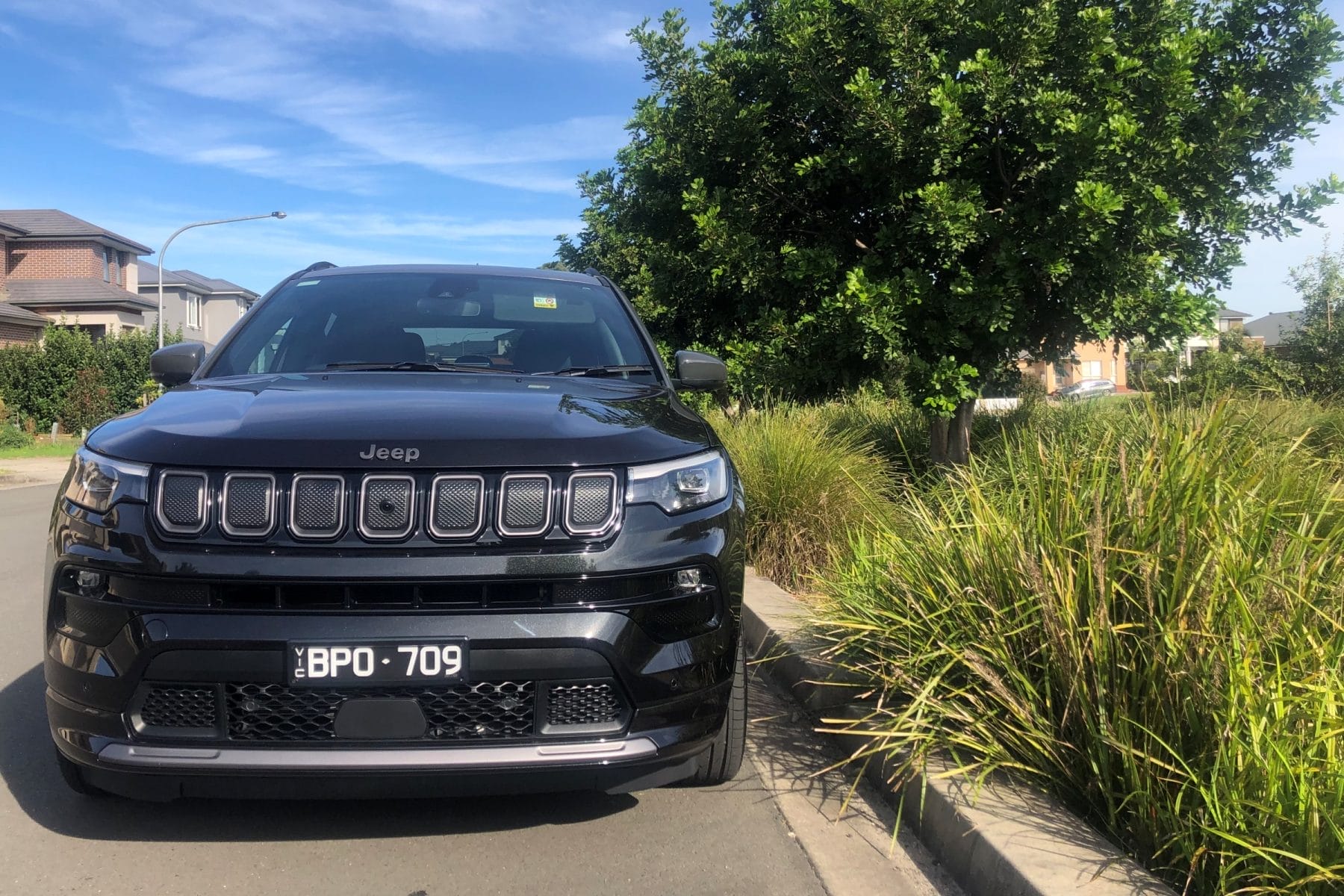
credit: www.anyauto.com.au/
Why Fuel Tank Capacity Matters for Jeep Compass Buyers
Understanding fuel tank capacity directly impacts your driving range and convenience. The 13.5-gallon tank, paired with EPA-estimated fuel economy, determines how far you can travel.
With combined EPA ratings around 27 MPG, you can expect approximately 364 miles of range per tank. City driving reduces this to about 324 miles at 24 MPG. Highway driving extends the range to roughly 432 miles at 32 MPG.
Tank capacity affects daily commuting patterns significantly. Shorter tanks mean more frequent gas station visits. The Compass falls into the compact SUV category, where 13.5 gallons represents a reasonable compromise.
Compared to midsize SUVs with 18-20 gallon tanks, the Compass requires more strategic fuel planning. However, better fuel economy often compensates for smaller capacity. Edmunds fuel tank details show this balance works well for most drivers.
Wrong assumptions about range lead to inconvenient fuel stops during road trips. Planning becomes crucial for longer journeys.
Many buyers underestimate how tank size impacts towing capability. The 2000-pound towing capacity, combined with reduced fuel economy when hauling, requires more frequent stops.
Real-World Range Examples
Urban commuting: Expect 270-300 miles in stop-and-go traffic with air conditioning running.
Highway road trips: Achieve 400-420 miles at steady speeds between 65-70 MPH.
Mixed driving: Plan for 350-380 miles combining city streets and highway segments.
Towing scenarios: Reduce expected range to 250-280 miles when pulling trailers or boats.
Winter conditions: Cold weather and heating systems can reduce range by 10-15%.
These real-world examples help buyers understand practical limitations. Proper maintenance of your best jeep wrangler oil filter can help maintain optimal fuel efficiency.
Fuel Tank Variations and Regional Differences
While US gasoline models maintain the 13.5-gallon standard, international markets offer different configurations. Understanding these variations helps buyers appreciate regional differences.
The Indian market features a diesel Compass with a 60-liter tank (approximately 15.9 gallons). This larger capacity accommodates the diesel engine’s different fuel delivery requirements. International Compass diesel specs show this variation clearly.
No trim or engine variants exist within the US market. Every gasoline Compass uses the same tank design. This simplifies parts availability and service procedures.
Aftermarket fuel tank options remain extremely limited. Off-road enthusiasts occasionally explore auxiliary tank systems. However, these modifications require significant expertise and may void warranties.
Regional fuel quality standards can affect actual capacity utilization. Some areas require fuel additives that slightly reduce effective volume.
| Region/Model | Capacity | Fuel Type | Notes |
|---|---|---|---|
| US 2023-2026 | 13.5 gal | Regular unleaded | All trims |
| India Diesel | 60L (15.9 gal) | Diesel | 4-cyl Multijet |
| Europe Gas | 13.5 gal | Regular unleaded | Limited availability |
| Canada | 13.5 gal | Regular unleaded | Same as US specs |
The table shows how consistent Jeep keeps fuel systems across similar markets. Diesel variants require larger tanks due to different energy density.
Some buyers consider aftermarket solutions similar to the best lift kit for a Jeep Wrangler modifications. However, fuel system changes involve significant safety considerations.
Key Factors to Consider Before Buying a Jeep Compass
Fuel efficiency directly correlates with your ownership costs and driving satisfaction. The Compass achieves 24 city/32 highway/27 combined MPG according to EPA estimates.
These numbers translate to real-world fuel costs. Calculate your monthly driving miles to estimate fuel expenses. Urban drivers face higher costs due to reduced city fuel economy.
Towing capability significantly impacts fuel consumption. The 2000-pound maximum towing capacity comes with reduced fuel economy. Expect 15-20% lower MPG when pulling trailers regularly.
Cargo space considerations affect fuel efficiency through weight and aerodynamics. The Compass offers 27.2 cubic feet behind the rear seats, expanding to 59.8 cubic feet with seats folded.
Four-wheel drive systems add weight and mechanical complexity. This typically reduces fuel economy by 1-2 MPG compared to front-wheel drive variants. Consider whether you need 4WD capabilities for your driving conditions.
Regular unleaded fuel keeps operating costs reasonable. Premium fuel isn’t required, unlike some turbocharged competitors. This saves approximately $200-400 annually, depending on driving habits.
Common ownership cost mistakes include underestimating fuel expenses for longer commutes. Calculate total monthly fuel costs based on your specific driving patterns.
Understanding when you might need to get Jeep Compass out of limp mode can help prevent fuel-related issues. Regular maintenance prevents many fuel system problems.
EPA-estimated range data helps buyers compare the Compass against competitors. Use official ratings for accurate comparisons.
Maintenance costs beyond fuel include regular oil changes. Understanding how much is a Jeep Wrangler oil change costs provides insight into Jeep ownership costs.
Consider how the Jeep Wrangler towing capacity compares if you need serious hauling capability. The Compass works well for light towing needs.
Top Recommended Jeep Compass Trims for Optimal Fuel Range
Each Compass trim offers the same 13.5-gallon tank but serves different buyer priorities. Understanding trim differences helps maximize your fuel range satisfaction.
Sport trim provides the most basic configuration with standard fuel economy. This entry-level option focuses on affordability while maintaining 24/32/27 MPG ratings. Best for budget-conscious buyers who prioritize fuel costs.
Latitude trim balances features with efficiency. It maintains the same fuel economy while adding convenience features. This represents the sweet spot for most buyers seeking practical daily driving.
Limited trim adds premium features without compromising fuel efficiency. Luxury appointments don’t affect the powertrain or fuel system. Choose this for comfort without fuel economy penalties.
Trailhawk trim emphasizes off-road capability with slight fuel economy reductions. EPA ratings drop to 23/31/26 MPG due to increased ground clearance and 4WD systems. This trim maximizes the 2000-pound towing capacity.
The 2026 model year maintains competitive fuel economy across all trims. Updated engine management systems may provide minor efficiency improvements.
All trims use the same 2.0-liter turbocharged four-cylinder engine producing 200 horsepower and 221 lb-ft of torque. This consistency ensures similar fuel consumption patterns.
Tire choice impacts fuel economy more than trim level. Larger wheels on Limited and Trailhawk trims may slightly reduce efficiency. Consider the best all-terrain tires for jeep if you need off-road capability.
| Trim | MPG (City/Hwy/Comb) | Best For | Standout Feature |
|---|---|---|---|
| Sport | 24/32/27 | Budget | Base 4×4 available |
| Latitude | 24/32/27 | Daily driving | Cargo space optimization |
| Limited | 24/32/27 | Comfort | Premium appointments |
| Trailhawk | 23/31/26 | Off-road | Maximum towing 2000 lbs |
The table shows how trim choice affects fuel economy minimally. Most buyers should prioritize features over tiny efficiency differences.
Trailhawk buyers accept slightly lower fuel economy for enhanced capability. This trade-off makes sense for adventure-focused owners.
Jeep Compass Fuel Tank FAQ
How far can you drive on a full tank of gas in a Jeep Compass?
Approximately 364 miles with combined driving conditions. City driving reduces this to 324 miles, while highway driving extends the range to 432 miles. Real-world conditions may vary by 10-15%.
What type of gas does a Jeep Compass use?
Regular unleaded gasoline with an 87 octane rating. Premium fuel isn’t required and won’t improve performance. This keeps fuel costs reasonable compared to competitors requiring premium.
Do different model years have different tank capacities?
No, all model years from 2023-2026 use the identical 13.5-gallon tank. Jeep maintained consistency across model updates. This simplifies parts availability and service procedures.
Is there a diesel Compass available in the US?
No diesel option exists for US markets. International markets offer diesel variants with larger 60-liter (15.9-gallon) tanks. US buyers must choose gasoline engines only.
Can you install aftermarket, larger fuel tanks?
Extremely limited options exist for auxiliary tank systems. Most modifications void warranties and require professional installation. Consider legal and safety implications before modifications.
What causes fuel-related limp mode issues?
Contaminated fuel, a failing fuel pump, or a clogged fuel filter typically trigger limp mode. If you experience these issues, learn how to get Jeep Compass out of limp mode for troubleshooting steps.
How does the Compass tank size compare to competitors?
Similar to other compact SUVs like the Honda CR-V (14.0 gal) and the Toyota RAV4 (14.5 gal). Slightly smaller than midsize SUVs but appropriate for the class.
Does 4WD affect fuel tank capacity?
No, four-wheel drive models use the same 13.5-gallon tank. The 4WD system affects fuel economy but not tank size. All drivetrain options share identical fuel system components.
Understanding potential starter issues helps prevent fuel delivery problems. Know how to replace a jeep starter if electrical problems affect fuel system operation.
Final Recommendation: Best Jeep Compass for Your Fuel Needs
The 13.5-gallon fuel tank provides adequate range for most buyers when paired with efficient engines. This capacity works well for daily commuting and weekend adventures.
For most buyers, choose the Latitude trim for the optimal balance of features and fuel efficiency. It maintains excellent 24/32/27 MPG ratings while providing practical amenities.
Budget-conscious buyers should consider the Sport trim. Identical fuel economy with a lower purchase price maximizes value. Add options as needed rather than upgrading trim levels.
Luxury-focused buyers can choose Limited without fuel economy penalties. Premium features don’t compromise efficiency or tank capacity.
Adventure enthusiasts should select Trailhawk for maximum capability. Accept slightly lower fuel economy (23/31/26 MPG) for enhanced off-road performance and towing capacity.
Consider total ownership costs beyond fuel. Understanding are the Jeep Wranglers reliable helps evaluate long-term Jeep ownership satisfaction.
Next steps: Visit local dealers for test drives, focusing on real-world fuel economy. Calculate monthly fuel costs based on your specific driving patterns. Compare final pricing against competitors with similar tank capacities.
The Compass delivers practical fuel capacity for its class. Most owners find 13.5 gallons adequate for daily use with strategic planning for longer trips.
Schedule test drives during typical driving conditions. Highway and city testing reveals actual fuel consumption patterns. This helps validate EPA estimates for your driving style.
Consider how fuel costs fit your monthly budget. Use current local gas prices to calculate realistic ownership expenses. Factor in seasonal variations and potential price changes.
The standardized 13.5-gallon tank across all model years and trims simplifies buying decisions. Focus on features and capability rather than fuel system variations.
