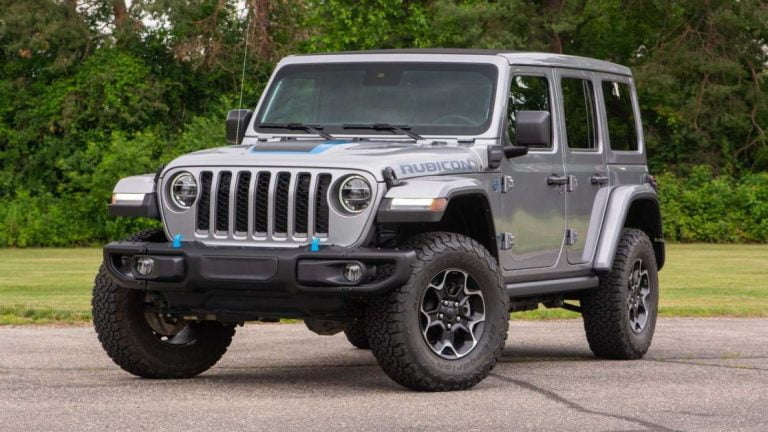
Is the Jeep Grille Trademarked? Yes – Here’s the Proof

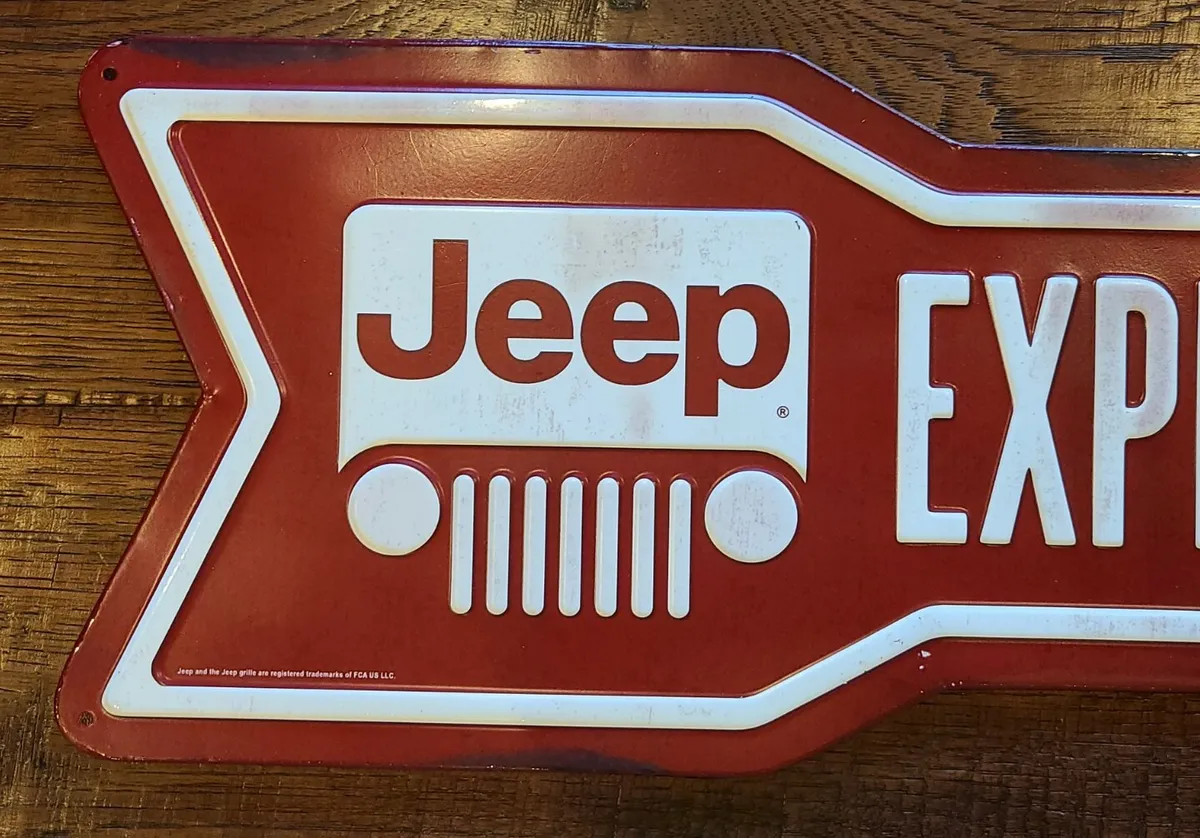
Yes, the Jeep grille—particularly the iconic seven-slot design—is a registered trademark owned by FCA US LLC (Stellantis) for use on land vehicles. This distinctive radiator grille configuration has been legally protected since the 1980s and continues to be actively enforced today.
The Jeep grille’s journey to trademark protection began with its military origins during World War II. Originally designed by Willys-Overland for the MB military vehicle, the grille featured nine slots.
After the war, the design evolved into the now-famous seven vertical slots that became synonymous with civilian Jeep vehicles. What started as a functional cooling element transformed into one of the most recognizable automotive design elements in history.
The trademark protection extends beyond just the grille itself—it covers the overall trade dress and configuration when used on automobiles and related automotive parts. This means FCA actively monitors and protects this design element across multiple product categories, making it one of the most valuable non-traditional trademarks in the automotive industry.
Jeep Grille Trademark Registrations
The United States Patent and Trademark Office (USPTO) has granted FCA multiple registrations protecting various aspects of the Jeep grille design. The most significant registrations include USPTO Registration No. 1,170,088 (filed in 1981) and Registration No. 1,433,760 (registered in 1987), with the latter achieving incontestable status in 1992.
These registrations classify the grille as a non-traditional trade dress and configuration mark specifically for automobiles and automotive parts. Additional related registrations include No. 2,862,487 and No. 2,161,779, which extend protection to various applications of the seven-slot design.
FCA US LLC, as the successor to Chrysler Corporation, currently holds ownership of these valuable trademark rights. The company inherited this intellectual property through the corporate restructuring that followed Chrysler’s bankruptcy and subsequent merger with Fiat.
Seven-Slot vs. Original Designs
The evolution from the original nine-slot WWII grille to today’s seven-slot design represents more than just aesthetic changes—it reflects the transformation from military utility to civilian brand identity. The seven-slot configuration was specifically chosen to differentiate civilian Jeep vehicles while maintaining the rugged, functional appearance that made the original design so recognizable.
This design consistency has helped Jeep Wrangler models maintain their reliability and brand recognition across multiple generations, with the grille serving as an instantly identifiable brand marker.
Legal Protection and Enforcement Cases
FCA has consistently defended its grille trademark rights through federal litigation. The landmark case Chrysler Corporation v. Vanzant (1999) established important precedents for protecting the seven-slot design.
The Ninth Circuit Court of Appeals affirmed that the grille design is protectable as trade dress when used on vehicles, but emphasized that trademark holders must prove likelihood of confusion for related goods like grille overlays or aftermarket accessories.
The court applied both functionality and secondary meaning tests, determining that while the grille serves a functional purpose for vehicle cooling, the specific seven-slot configuration creates a distinctive visual identity that consumers associate with Jeep vehicles. This ruling has been instrumental in subsequent enforcement actions.
FCA has also asserted its grille trademark rights against other manufacturers, including disputes with Hummer over similar multi-slot designs. These enforcement actions demonstrate the company’s commitment to protecting what has become one of the most valuable design trademarks in the automotive industry.
Functionality and Secondary Meaning Tests
Courts evaluate trade dress protection using two critical tests: functionality and secondary meaning. The Jeep grille passes both tests because while it serves the functional purpose of cooling, the specific seven-slot configuration creates aesthetic appeal and brand recognition that goes beyond mere utility. The secondary meaning test is satisfied through decades of consistent use and consumer association with the Jeep brand.
What This Means for Jeep Fans and Modders
For Jeep enthusiasts and custom parts manufacturers, understanding these trademark protections is crucial. Official Jeep merchandise and licensed accessories can legally incorporate the seven-slot design, but aftermarket manufacturers must be careful to avoid creating consumer confusion about the source of their products.
FCA’s Brand Protection Team actively monitors the marketplace for potential trademark infringement. This includes unauthorized use of the grille design on non-automotive products like keychains, clothing, or aftermarket modifications that could confuse consumers about official Jeep products.
When customizing your Jeep, consider how modifications interact with trademarked design elements. For example, when working on Jeep Wrangler fender flares or other exterior modifications, ensure that any grille-related changes don’t create trademark issues. Similarly, if you’re considering the best Jeep Wrangler fenders or Jeep Wrangler rock rails, choose products from reputable manufacturers who respect FCA’s intellectual property rights.
The key takeaway is that this iconic design has been protected since the 1950s and remains actively defended. Always check FCA’s brand guidelines and consult with legal counsel when developing custom parts that might interact with trademarked design elements.
Conclusion
The Jeep grille is definitely trademarked and actively defended by FCA US LLC. Whether you’re a fan, modder, or business owner, understanding these protections helps ensure compliance while respecting one of automotive history’s most iconic designs.