G Wagon vs Jeep Wrangler: Which SUV Is Better for Luxury, Off-Roading, and Value?

Quick Verdict: G Wagon or Jeep Wrangler?
The Mercedes-Benz G-Class is for buyers who want a status symbol that also handles real terrain. The Jeep Wrangler is for buyers who want maximum off-road capability without spending a fortune doing it.
Choose the G-Wagon if image, cabin luxury, and power matter more than value. Choose the Wrangler if trail performance, budget, and modification freedom are your priorities. The price gap between them is significant — and that gap tells the whole story.
G Wagon vs Jeep Overview
These two vehicles get compared constantly. That’s actually strange when you think about it.
The Mercedes-Benz G-Class dates back to 1979, originally built as a military utility vehicle before evolving into one of the world’s most recognizable luxury SUVs. Today it sits at the very top of the premium off-road market — a box-shaped icon driven as much in Beverly Hills as in the Swiss Alps.
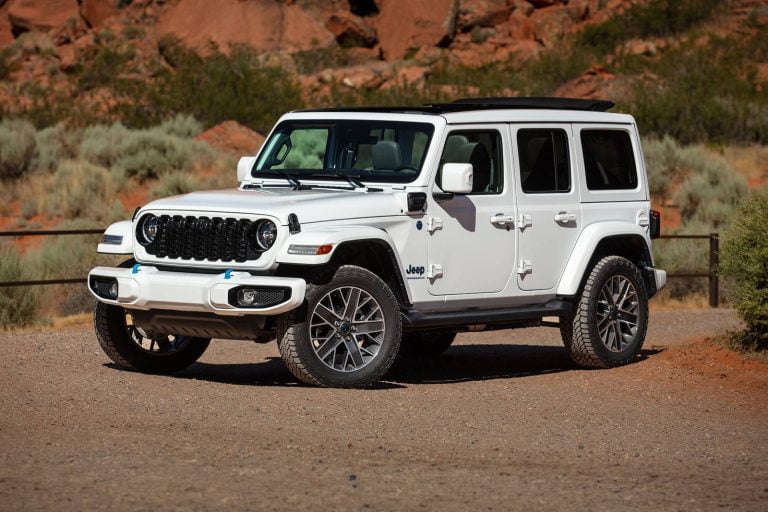
The Jeep Wrangler carries a different legacy. Born from World War II military contracts, it became America’s definitive off-road SUV. The Wrangler has never pretended to be anything other than a trail-ready machine with attitude.
So why compare them? Because both have three locking differentials, serious four-wheel drive systems, and devoted fan bases. One just costs roughly three to four times more than the other.
Price and Value Comparison
This is where the conversation gets real fast.
The Jeep Wrangler enters the market at an accessible price point for an off-road SUV, with trims ranging from the base Sport to the hardcore Rubicon. If you want to understand how much are Jeep Wranglers across every trim level, the range covers a wide spread — but all of them land far below G-Wagon territory. For buyers curious about electrification, how much is the electric Jeep Wrangler adds another dimension to that pricing conversation.
The G-Wagon starts at roughly $140,000 for the base G 550 and climbs past $230,000 for the AMG G 63. That’s not a price. That’s a mortgage down payment.
What does the premium buy you? Better materials, a more powerful V8, dramatically more sound insulation, and — honestly — the badge. The Wrangler delivers better value per off-road dollar spent. The G-Wagon delivers prestige that no Wrangler trim can match.
Off-Road Capability Comparison
Both vehicles run three locking differentials. That’s where a lot of the comparison lives — and it’s more equal than you’d expect.
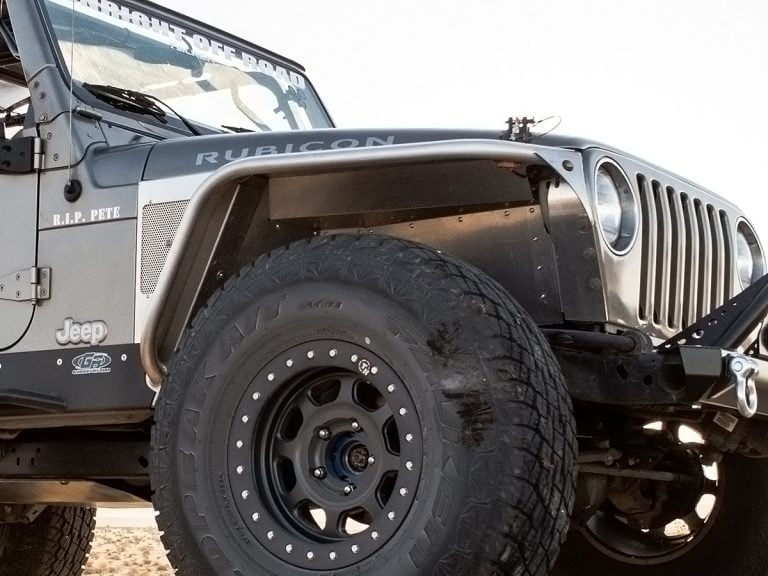
The Wrangler Rubicon is purpose-built for trails. Its Wrangler capability includes front and rear locking differentials, a disconnecting front sway bar, standard rock rails, and 35-inch tires straight from the factory on top trims. It’s genuinely one of the best stock trail rigs ever built.
Ground Clearance and Approach Angles
The Wrangler Rubicon offers around 10.8 inches of ground clearance, a 47.4-degree approach angle, and a 37.2-degree departure angle. Those numbers are exceptional for a production vehicle. The G-Wagon delivers around 9.5 inches of clearance with competitive approach and departure angles — strong, but not quite at Rubicon levels.
Differential Locks and Traction Systems
The G-Wagon’s off-road features include three 100% locking differentials controlled by dashboard switches, a low-range transfer case, and Mercedes’ downhill speed regulation. It’s a genuinely capable system wrapped in a $140K body.
Trail Comfort and Control
The Wrangler is more modifiable. Installing the best lift kit for a Jeep Wrangler can dramatically increase clearance and approach angles beyond stock spec. Pairing that with the best all terrain tires for Jeep Wrangler makes the platform even more capable. The cost to do all that still lands well below the G-Wagon’s base price. For serious trail builds, understanding how much does it cost to regear a Jeep Wrangler is part of the long-game planning too.
Upgrading best Jeep Wrangler shocks also transforms how the platform handles rough terrain, giving budget-minded buyers real performance headroom. The G-Wagon can’t be modified as easily or cheaply — and Mercedes doesn’t encourage you to try.
Engine Performance and Driving Experience
Power is where the G-Wagon pulls decisively ahead on paper.
The G 550 runs a 4.0-litre twin-turbocharged V8 producing 416 horsepower and 450 lb-ft of torque. The AMG G 63 pushes 577 horsepower from the same displacement. For technical specifications, Mercedes publishes full powertrain data on its model page.
The Wrangler offers more engine variety. You can choose a 2.0-litre turbocharged four-cylinder, a 3.6-litre Pentastar V6, a 3.0-litre diesel EcoDiesel V6, or the 4xe plug-in hybrid. The V6 produces 285 horsepower — noticeably less than the G-Wagon’s V8. For official fuel economy data, the Wrangler 4xe and EcoDiesel trims deliver the best real-world efficiency.
On-road driving tells the sharpest story. The G-Wagon accelerates with authority, corners flatter than its boxy shape suggests, and rides quietly. The Wrangler feels exactly like what it is — a trail rig with a highway compromise. Wind noise, body roll, and a deliberate steering feel remind you constantly of its priorities. The Jeep Wrangler towing capacity caps at 3,500 lbs for most trims, while the G-Wagon pulls up to 7,700 lbs.
Interior, Comfort, and Daily Usability
Step inside each vehicle and the difference hits immediately.
The G-Wagon cabin is a prestige environment. Nappa leather, real wood or carbon fibre trim, MBUX infotainment with dual 12.3-inch displays, and a driver-focused layout that feels genuinely premium. Sound deadening is exceptional — highway cruising is almost quiet.
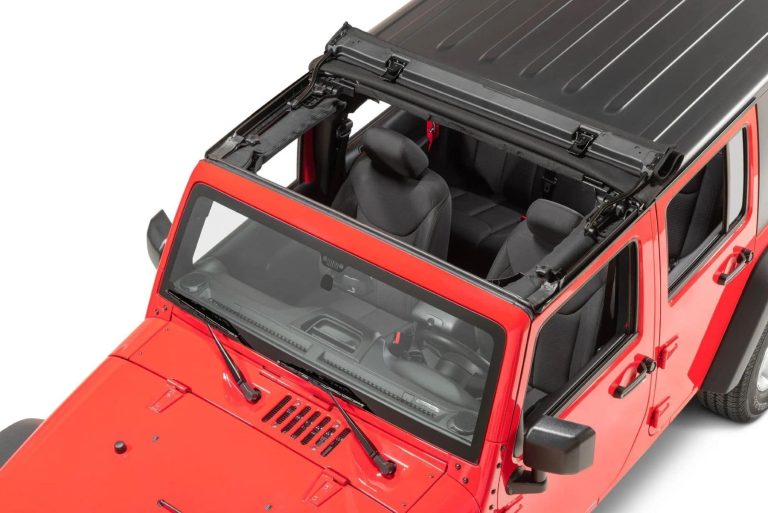
The Wrangler cabin is functional and honest. Hard plastic surfaces dominate lower trims, and the Rubicon adds some nicer touches, but no Wrangler interior matches G-Wagon refinement. Noise is part of the Wrangler experience — especially with a soft top fitted.
Cargo and Passenger Practicality
Both vehicles seat five adults. The four-door Wrangler Unlimited offers a practical rear cargo area and removable doors for open-air trail driving. The G-Wagon’s rear cargo space is more limited for its price class — that boxy exterior doesn’t translate into a giant boot.
Visibility and Maneuverability in City Use
The Wrangler’s upright windshield and boxy shape actually aid urban visibility. The G-Wagon is similarly boxy but heavier and wider, making tight parking a more deliberate exercise. Both are SUVs you learn to park rather than park instinctively. Check safety ratings from the IIHS before committing to either vehicle — both have areas worth reviewing.
Ownership Costs and Maintenance Reality
Buying the G-Wagon is just the beginning of the expense.
Mercedes-Benz service costs are among the highest in the industry. Parts are expensive, dealer labour rates are steep, and warranty work beyond the standard period adds up fast. Insurance premiums on a $140,000+ SUV reflect that value directly. Always check recall and safety information through NHTSA before purchasing any used example of either vehicle.
The Wrangler is far more accessible to maintain. Understanding how much is a Jeep Wrangler oil change shows routine service sits well within normal SUV ranges. Knowing how much are Jeep Wrangler tires matters too — off-road tires aren’t cheap, but they’re far cheaper than G-Wagon replacement parts.
Long-term reliability is a genuine Wrangler strength. Reviewing whether are the Jeep Wranglers reliable over time shows the platform holds up well with routine maintenance, particularly the 3.6-litre V6. The G-Wagon is mechanically sound, but complexity means repairs cost more when they happen.
Comparison Table
| Feature | Mercedes-Benz G-Wagon | Jeep Wrangler Rubicon |
|---|---|---|
| Price Tier | Ultra-premium ($140K–$230K+) | Mainstream off-road ($45K–$65K) |
| Engine Options | Twin-turbo V8 (base), AMG V8 | 4-cyl, V6, EcoDiesel, 4xe hybrid |
| Horsepower (base) | 416 hp | 285 hp |
| Towing Capacity | Up to 7,700 lbs | Up to 3,500 lbs |
| Ground Clearance | ~9.5 inches | ~10.8 inches (Rubicon) |
| Locking Differentials | 3 (front, centre, rear) | 2 (front, rear) |
| Off-Road Rating | Capable, luxury-tuned | Best-in-class stock trail rig |
| Interior Quality | Premium leather, MBUX tech | Functional, durable, rugged |
| Modifiability | Limited, expensive | Extensive, affordable aftermarket |
| Daily Comfort | Excellent | Moderate |
| Maintenance Cost | High | Low–moderate |
| Best For | Status, luxury, power | Trail performance, value, mods |
Who Should Choose the G-Wagon?
Choose the G-Wagon if…
You want a vehicle that commands attention before it moves. The G-Wagon suits buyers who value cabin refinement, want genuine V8 power, and treat off-road driving as an occasional adventure rather than a weekend obsession. It’s the right call for urban professionals who want trail credibility and daily luxury in one package — and who won’t hesitate over the running costs.
Who Should Choose the Jeep Wrangler?
Choose the Jeep Wrangler if…
You actually use it off-road regularly. The Wrangler Rubicon is the smarter buy for trail drivers, overlanding enthusiasts, and modification-focused owners. If you’re planning a best Jeep Wrangler roof top tent overlanding setup, the Wrangler’s aftermarket ecosystem makes that far easier and cheaper than building out a G-Wagon. Budget-conscious buyers who still want four-wheel drive credibility simply don’t need to spend G-Wagon money to get real capability.
FAQ: G Wagon vs Jeep
Is the G-Wagon better than the Jeep Wrangler off-road?
Not necessarily. The Wrangler Rubicon has better stock ground clearance, a disconnecting sway bar, and a vast aftermarket. The G-Wagon has three locking differentials and impressive capability, but the Rubicon edges it on pure trail metrics.
Why is the G-Wagon so much more expensive?
You’re paying for the V8 engine, luxury materials, Mercedes engineering, sound insulation, and the badge. The price reflects prestige as much as performance.
Is the Jeep Wrangler more reliable to own long-term?
Generally yes. The Wrangler’s simpler mechanicals and enormous parts availability make it cheaper and easier to maintain over time.
Which is better for everyday driving?
The G-Wagon. Its ride quality, cabin insulation, and power delivery make daily commuting genuinely comfortable — something the Wrangler only achieves in relative terms.
Can the Wrangler compete with the G-Wagon off-road with modifications?
Yes, often surpassing it. With a lift kit, regeared axles, and quality tires, a modified Wrangler Rubicon tackles terrain that challenges far more expensive machines.
Final Verdict
The G-Wagon and Jeep Wrangler represent two very different answers to the same question: what should a serious off-road SUV be?
The G-Wagon says it should be luxurious, powerful, and unmistakable. The Wrangler says it should be capable, honest, and accessible. Neither is wrong.
Buy the Mercedes-Benz G-Class if you want the best of both luxury and trail credibility and price isn’t the deciding factor. Buy the Jeep Wrangler if trail performance, value, and the freedom to modify matter more than prestige. Most buyers get far more from the Wrangler — but the G-Wagon earns every cent for those it genuinely suits.