Jeep YJ Soft Top Buyer’s Guide: Best Fitment, Materials, and Top Picks

The best soft top for your Jeep YJ is a complete replacement kit designed specifically for the 1987–1995 Jeep Wrangler YJ, matched to your exact door configuration — half doors or full steel doors. Order the wrong door style and the top won’t fit. That single mistake costs most buyers a return shipping fee and weeks of delays.
This guide cuts through the noise. You’ll learn what actually matters before you buy, which materials hold up longest, and exactly which options to consider for your build.


Jeep YJ Soft Top: What Fits Your Wrangler?
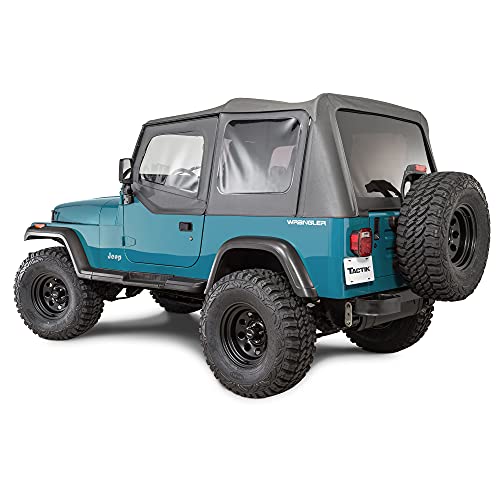
Fitment is everything with YJ soft tops. The core fitment window covers 1987–1995 Jeep Wrangler YJ models — that’s it. Tops built for the TJ (1997–2006) or JK (2007–2018) will not transfer over. The mounting points, bow geometry, and tailgate dimensions are different generations entirely.
The single biggest compatibility split is your door configuration. YJs came from the factory with either full steel doors or half doors (also called half-door or bikini-style configurations). A top cut for full steel doors has longer side panels that seal against the full door frame. Half-door tops have shorter fabric sections designed to meet the upper half of a half-door system. If you’re unsure which you have, check out How to Take Jeep Wrangler Doors Off for door identification and removal basics.
You’ll also choose between two product types:
- Complete soft top kit: Includes fabric, bows, hardware, and sometimes door skins
- Material-only replacement: Fabric panel only, meant for owners reusing existing hardware
First-time buyers should almost always choose a complete kit. It removes the guesswork.
YJ Year Range and Trims
All standard YJ Wranglers from 1987 through 1995 share the same basic soft top mounting system. There are no significant trim-level exceptions that affect top fitment — the S, Base, Sahara, and Renegade trims all use the same frame architecture.
Half-Door vs Full-Door Compatibility
This is the decision you must get right before anything else. Check your existing door setup before ordering. Half-door tops and full-door tops are not interchangeable.
Soft Top Types and Materials Explained
Material choice affects durability, appearance, noise, and weather resistance. Most YJ replacement tops come in two primary fabric styles.
Black Denim is the traditional choice. It looks factory-correct on most YJs, especially older restorations. Denim-style fabric is woven tightly and handles UV exposure reasonably well, though it tends to fade faster than premium alternatives over 5–7 years of heavy sun exposure. You can find a current factory-style Jeep YJ soft top with tinted windows that shows exactly how the standard denim option looks with modern window spec.
Sailcloth is the upgrade fabric. It’s denser, more resistant to stretching, and quieter at highway speeds than standard denim. Premium sailcloth tops often carry 3–5 year warranties versus the 1–2 year coverage typical of budget denim options.
Window Options and Visibility
YJ soft tops come with either clear windows or tinted windows. Tinted windows reduce interior heat by reflecting more sunlight and offer better privacy. Clear windows maximize visibility but show scratches and hazing faster. Most buyers heading toward daily driving prefer tinted windows. Off-road weekend warriors often prioritize lighter, simpler panels they can swap quickly.
DOT-approved windows are a must. Non-DOT glass or plastic may fail inspection in certain states and tends to cloud within a season.
What to Look For Before You Buy
Don’t just check the year range. Four factors separate a good purchase from a frustrating return.
Fitment Checklist
- Confirm: 1987–1995 YJ fitment listed on the product page
- Confirm: Door style matches (half door or full steel door)
- Confirm: Fabric color matches your existing trim or planned build
Understanding your full ownership costs also helps. If you’re budgeting a restoration, knowing how much is a Jeep Wrangler oil change and other recurring maintenance costs will help you prioritize soft top spend versus other upgrades. For reference on capability specs, the Jeep Wrangler towing capacity guide covers what the YJ platform can handle if you’re planning a dual-use build.
You can also browse Wrangler YJ complete soft tops from Crown Automotive to compare what hardware-inclusive kits look like across different configurations.
Hardware Checklist
- Does the kit include bows (the metal frame arches)?
- Are mounting channels and tailgate retainer included?
- Does it come with door skins or side panels?
- Is the windshield channel gasket part of the kit?
Missing any of these pieces means additional purchases before you can install anything.
Material and Weatherproofing Checklist
- Look for sealed stitching or lap-seam construction
- Zippers should be heavy-duty with pull tabs, not thin nylon
- Windows must be heat-welded into the fabric, not just stitched
- UV stabilization should be mentioned in the product specs
Best Jeep YJ Soft Top Options to Consider
Here are four distinct options that cover the most common buyer situations. These aren’t exhaustive reviews — they’re clear-cut recommendations based on what each type of buyer actually needs.
| Option | Material | Hardware Included | Best For | Price Range |
|---|---|---|---|---|
| Budget Fabric-Only | Black Denim | No | Reusing existing frame | $80–$150 |
| Bestop Replace-A-Top | OEM-style sailcloth | Partial (door skins) | Factory-correct restoration | $350–$500 |
| Rugged Ridge Complete Kit | Black Denim/Sailcloth | Yes (full kit) | First-time replacement | $300–$500 |
| Premium Sailcloth Kit | Sailcloth | Yes (full kit) | Daily driver, harsh weather | $450–$650 |
Best Factory-Style Replacement
The Bestop Replace-A-Top for Jeep Wrangler YJ is the closest thing to an OEM replacement. Bestop has supplied soft tops to Jeep as an OEM partner for decades. The Replace-A-Top fits 1988–1995 YJ models and comes in Spice with tinted windows, with door skins included. It’s the top pick for restoration buyers who want factory fit and appearance.
Best Complete Kit with Hardware
The complete soft top for 1987–1995 Jeep Wrangler YJ from Rugged Ridge includes the full bow assembly, hardware, and fabric. If your existing frame is corroded or missing pieces, this is the right call. Rugged Ridge kits also include clear installation instructions, which matters if this is your first time replacing a YJ top.
Best Budget Option
A fabric-only replacement in Black Denim suits owners who have solid existing hardware and just need new material. You’ll spend $80–$150 and reuse your bows and channels. That only works if your frame isn’t bent or rusted.
Best for Daily Drivers
Premium sailcloth complete kits from brands like Bestop or Smittybilt run $450–$650 but seal better, dampen road noise noticeably, and last significantly longer in sun and rain. For anyone driving the YJ daily, that investment pays off within two seasons.
If you’re evaluating overall restoration spend, the how much are Jeep Wranglers guide gives useful pricing context for what YJ ownership looks like at different levels.
Hardware, Frames, and Installation Considerations
This is where most first-time buyers get surprised. A new fabric top won’t fix a bent bow or a cracked windshield channel. Inspect your existing frame before ordering material-only.
A full bow assembly for a YJ typically includes three to five bows depending on configuration. If any bow is bent more than 5 degrees out of plane, replace the full set. Mixing old and new bows creates tension points that shorten fabric life and create leaks.
You can download the installation instructions for a Jeep YJ soft top to see the full hardware layout and step-by-step process before you buy anything. Reviewing this document first saves most buyers at least one return.
Common Installation Challenges
Installation time runs 2–4 hours for a complete kit on the first attempt. Experienced owners often complete the job in 90 minutes. The two most common problems are:
- Fabric too stiff to pull into channels in cold weather
- Tailgate retainer not seated properly, causing rear leaks
Warm the fabric in sunlight or a warm garage before installation. Cold fabric tears and resists stretching into the tailgate retainer. That single tip prevents the most common installation mistake.
Maintenance for Longer Top Life
- Clean fabric with a soft brush and mild soap every 3 months
- Apply 303 Aerospace Protectant to fabric and windows twice yearly
- Lubricate zippers with zipper wax before winter storage
- Never fold a wet top — mildew sets within 48 hours
How to Choose the Right Top for Your Use Case
Your driving habits matter as much as your door config.
Daily drivers need the best weatherproofing. Wind noise above 55 mph is the biggest comfort complaint on stock YJ tops. Premium sailcloth reduces it by 30–40% compared to economy denim. Pair your top upgrade with best Jeep Wrangler YJ seats for a full interior refresh.
Off-road weekend builds can prioritize a budget fabric-only top. You’ll likely remove the top for trail runs anyway. Just make sure the hardware is solid before you trust it on a muddy trail.
Restoration projects need factory accuracy. The Bestop Replace-A-Top or an OEM-equivalent kit in Spice or Black Denim matches original factory colors most accurately. If you’re also upgrading the exterior, browse Jeep Wrangler YJ fender flares to round out the body restoration.
Harsh weather climates (Pacific Northwest, northern states) demand double-stitched seams and full channel coverage at the windshield header. A leaking windshield channel ruins interiors fast.
For broader off-road builds, best Jeep Wrangler rock rails and best all-terrain tires for Jeep round out a serious trail setup. And if you’re thinking long-term about the YJ’s exterior, Jeep Wrangler rear fender flares add finishing protection around tire clearance. For oil maintenance on the build, the best Jeep Wrangler oil filter guide covers what to use for long service intervals.
Jeep YJ Soft Top FAQ
How do I know if my YJ has half doors or full steel doors?
Stand beside your Jeep with the door open. Full steel doors extend from the sill all the way to the roof line. Half doors stop at approximately elbow height and rely on a soft upper to complete the window. The soft upper is a separate fabric piece that attaches above the half door. If you have upper soft panels, you have half doors.
Do I need new hardware to install a replacement soft top?
Not always. If your existing bows are straight, channels are intact, and the tailgate retainer is undamaged, fabric-only is a valid choice. Inspect hardware carefully before ordering. Corroded or bent bows will leak and stretch the new fabric unevenly.
Are tinted windows better than clear windows?
Tinted windows handle heat better and scratch less visibly. Clear windows offer slightly better rear visibility. For most daily drivers, tinted is the better long-term choice because they age more gracefully than clear vinyl, which hazes within 2–3 seasons.
Can I use a soft top from a TJ or JK on my YJ?
No. The TJ and JK have different bow geometry, wider body dimensions, and different mounting channels. YJ tops are not cross-compatible with other Wrangler generations.
How long does a YJ soft top usually last?
With proper care — regular cleaning, UV protectant, and zipper maintenance — a quality sailcloth top lasts 7–10 years. Budget denim tops in high-UV climates may need replacement in 4–5 years.
Final Recommendation
For most YJ owners buying a replacement, a complete kit in sailcloth is the right call — specifically the Bestop Replace-A-Top or the Rugged Ridge complete kit depending on your budget. Both cover 1987–1995 fitment, both include critical hardware, and both are available in configurations for half doors and full steel doors.
The one rule that overrides everything else: confirm your door style before you order. Every other spec can be adjusted. The door configuration cannot.
If you’re keeping existing hardware in good condition, a fabric-only Black Denim replacement saves money without compromising fit. For first-time replacements or worn-out frames, spend the extra $100–$200 on a complete kit. You’ll save that in time and frustration before the first trail run.