How to Add Coolant to Jeep Wrangler: Complete Step-by-Step Guide (2026)

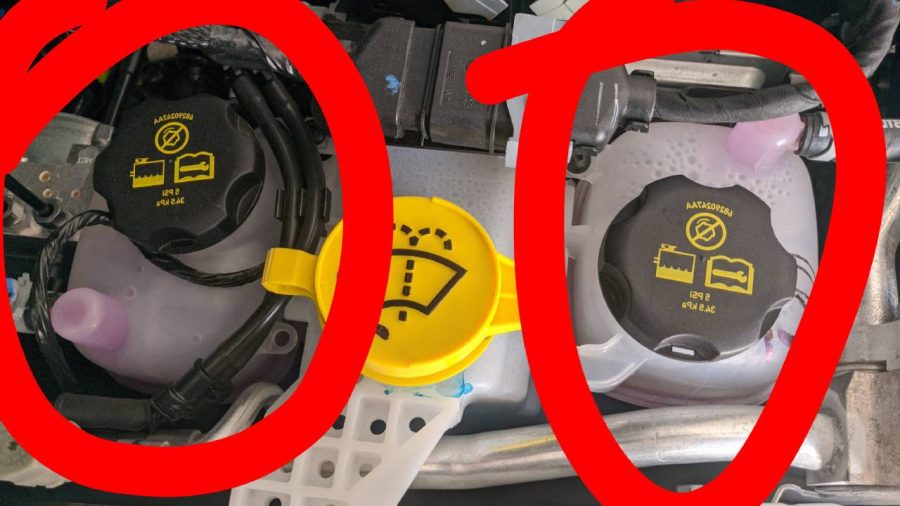
Your Jeep Wrangler’s cooling system requires regular attention to prevent engine damage and costly repairs. Adding coolant properly takes 30-45 minutes and costs $15-25 versus $80-150 at a shop.
This comprehensive guide covers every step for safely adding coolant to JK (2007-2018), JL (2018+), and TJ (1997-2006) Wrangler models. You’ll learn proper safety procedures, generation-specific differences, and troubleshooting techniques that prevent common mistakes.
Whether you’re topping off low coolant levels or performing routine maintenance, following these detailed steps protects your engine and saves money.
When to Add Coolant to Your Jeep Wrangler
Warning Signs
Monitor these indicators that signal low coolant levels:
- Temperature gauge reading higher than normal (above 210°F)
- Steam rising from the engine bay
- Sweet antifreeze smell in the cabin or around the vehicle
- Visible coolant puddles under your parked Wrangler
- Dashboard warning lights for engine temperature
Check coolant levels monthly during routine maintenance. Low levels can develop gradually through normal evaporation or indicate underlying leaks requiring immediate attention.
Checking Current Levels
Inspect coolant when the engine is completely cold. The reservoir tank features minimum and maximum fill lines clearly marked on the translucent plastic.
Proper coolant appears bright green, orange, or red depending on your Wrangler’s specification. Contaminated coolant looks brown, rusty, or contains floating particles.
Replace rather than top off coolant that appears dirty or discolored. Adding fresh coolant to a contaminated system provides no protection and wastes money.
Seasonal temperature changes affect coolant expansion. Check levels more frequently during extreme hot or cold weather when thermal cycling stresses the system.
Tools and Materials Needed
Coolant Types by Generation
TJ Models (1997-2006): Use Mopar Antifreeze/Coolant 5-Year/100,000 Mile Formula or equivalent ethylene glycol-based coolant meeting ASTM D3306 standards.
JK Models (2007-2018): Require Mopar Antifreeze/Coolant 10-Year/150,000 Mile Formula (OAT technology) or equivalent meeting ASTM D3306/D4985 specifications.
JL Models (2018+): Use only Mopar OAT Coolant 10-Year/150,000 Mile Formula. Never substitute with conventional green antifreeze.
Essential Tools
Gather these items before starting:
- Correct coolant type for your model year (1-2 quarts)
- Clean funnel with flexible spout
- Safety glasses and nitrile gloves
- Shop rags or paper towels
- Small flashlight for reservoir inspection
- Coolant hydrometer for mixture testing
Purchase supplies at auto parts stores, dealerships, or online retailers. Expect to spend $15-25 for quality coolant and basic tools.
Safety Precautions Before Starting
Hot Engine Dangers
Never attempt coolant work on a hot engine. The pressurized cooling system operates at 195-220°F and 15-16 PSI pressure when warm.
Removing the reservoir cap on a hot engine can cause severe burns from scalding coolant spray. Wait at least 2 hours after driving before beginning work.
Test engine temperature by touching the radiator hoses. Cool hoses indicate safe working conditions.
Proper Protective Equipment
Wear safety glasses to protect against coolant splashes. Ethylene glycol coolant irritates eyes and skin on contact.
Use chemical-resistant nitrile gloves rather than latex. Coolant dissolves latex and penetrates thin disposable gloves.
Work in well-ventilated areas to avoid inhaling coolant vapors. Park outside or open garage doors for adequate airflow.
Keep children and pets away from the workspace. Antifreeze tastes sweet but causes kidney failure if ingested.
Locating the Coolant Reservoir in Your Wrangler
JK Models (2007-2018)
The coolant reservoir sits on the driver’s side of the engine bay, mounted to the inner fender panel. Look for a translucent plastic tank with black cap labeled “ENGINE COOLANT.”
The reservoir measures approximately 8 inches tall with minimum and maximum fill lines molded into the plastic. Capacity ranges from empty to full is roughly 1 quart.
Access requires no tool removal. The cap turns counterclockwise with moderate pressure.
JL Models (2018+)
JL Wranglers position the coolant reservoir similarly to JK models but feature an updated cap design with improved pressure relief.
The tank appears slightly larger than JK versions, accommodating the 4.2-quart total system capacity. Fill lines are more prominently marked for easier reading.
Some Rubicon models may have slightly different reservoir positioning due to additional equipment mounting points.
TJ Models (1997-2006)
TJ Wranglers mount the coolant reservoir on the passenger side of the engine bay, opposite from later generations.
The reservoir appears smaller than JK/JL versions, reflecting the 3.5-quart total system capacity. Fill level markings may be less distinct on older models.
Check for cracks around the mounting tabs. Twenty-year-old plastic reservoirs commonly develop stress fractures requiring replacement.
Step-by-Step Coolant Adding Process
Preparation Steps
Park on level ground and engage the parking brake. An unlevel vehicle provides inaccurate fill level readings.
Open the hood and locate the coolant reservoir for your generation. Remove any debris or dirt around the cap area to prevent contamination.
Inspect the reservoir for cracks or damage before proceeding. Damaged reservoirs leak and require replacement before adding coolant.
Adding Process
Remove the reservoir cap by turning counterclockwise. Set the cap aside on a clean surface to avoid contaminating the sealing surfaces.
Insert the funnel into the reservoir opening. Position the funnel firmly to prevent spills that create slip hazards and environmental contamination.
Pour coolant slowly and steadily. Fast pouring creates air bubbles that cause inaccurate fill levels and potential hot spots in the cooling system.
Fill to the maximum line marked on the reservoir. Overfilling causes coolant overflow when the system heats up and expands.
Remove the funnel carefully and wipe any spilled coolant immediately. Replace the cap by turning clockwise until snug but not overtightened.
Final Checks
Start the engine and let it idle for 5 minutes while monitoring the temperature gauge. Normal operating temperature should stabilize around 195-210°F.
Turn off the engine and wait 10 minutes for pressure to normalize. Recheck the coolant level and add more if needed.
The initial fill may appear low after running the engine as coolant circulates throughout the system and displaces trapped air.
Testing and Verification
Run the engine until it reaches normal operating temperature while watching for leaks around the reservoir and hoses.
Monitor the temperature gauge during a short test drive. Overheating indicates insufficient coolant circulation or trapped air requiring professional bleeding.
Check that the heater produces warm air when set to maximum temperature. Poor heater performance suggests air bubbles in the cooling system.
Inspect the ground under your parked Wrangler for coolant drips. Address leaks immediately to prevent engine damage and environmental contamination.
Consider testing other systems like learning to engage 4WD system properly during your test drive to verify overall vehicle operation.
Common Mistakes to Avoid
Using Wrong Coolant Type: Mixing different coolant chemistries creates gel-like precipitates that clog cooling passages. Always match your Wrangler’s specified coolant type.
Overfilling the System: Excess coolant overflows when heated, creating mess and waste. Fill only to the maximum line when the engine is cold.
Adding Coolant to Hot Engines: Hot pressurized systems spray scalding coolant when opened. Wait for complete cooling before starting work.
Ignoring Underlying Problems: Repeatedly low coolant levels indicate leaks requiring repair. Adding coolant to a leaking system provides temporary relief but risks engine damage.
Skipping Safety Equipment: Coolant burns skin and eyes on contact. Always wear protective equipment and work in ventilated areas.
Troubleshooting Common Issues
Persistent Low Levels: Coolant that disappears rapidly indicates internal or external leaks. Check hoses, radiator, water pump, and head gasket integrity.
Internal leaks contaminate engine oil with coolant, creating a milky appearance on the dipstick. Serious internal leaks may require expensive repairs to replace the head gasket.
Overheating After Refill: Air bubbles trapped in the cooling system prevent proper circulation. Professional system bleeding removes trapped air and restores normal operation.
Coolant Discoloration: Brown or rusty coolant indicates internal corrosion requiring complete system flushing and component inspection.
White Exhaust Smoke: Steam from the tailpipe suggests coolant entering combustion chambers through damaged head gaskets or cracked cylinder heads.
Frequently Asked Questions
How often should I add coolant?
Check levels monthly but only add coolant when below the minimum line. Properly maintained systems rarely need frequent additions.
Can I mix different coolant brands?
Use identical coolant types even when changing brands. Different formulations may not be compatible despite similar colors.
What does coolant replacement cost?
Complete coolant system service costs $80-150 professionally versus $25-40 for DIY replacement including new coolant and basic tools.
Should I replace coolant on schedule?
Follow manufacturer intervals: 60,000 miles for conventional coolant, 100,000-150,000 miles for extended-life formulations.
Does adding coolant affect warranty?
Routine maintenance like coolant service doesn’t void warranties when performed correctly with specified materials.
Proper coolant maintenance integrates with other routine services like regular Jeep Wrangler oil change maintenance for comprehensive vehicle care.
Final Steps and Cleanup
Dispose of used coolant and containers at recycling centers or auto parts stores. Never pour coolant down drains or onto the ground where it contaminates water supplies.
Clean any spilled coolant with soap and water. Coolant creates slippery surfaces and attracts animals to the sweet taste.
Record the maintenance date and coolant type in your vehicle logbook. Documentation helps track service intervals and ensures proper coolant compatibility for future additions.
Store remaining coolant in original containers away from children and pets. Properly stored coolant maintains effectiveness for several years.
While working in the engine bay, take time to keep fenders properly maintained and inspect other components for wear or damage.
Regular coolant maintenance prevents expensive cooling system failures and extends your Jeep Wrangler’s service life. Following these detailed steps ensures safe, effective coolant additions while building confidence for future maintenance tasks.