How to Adjust Side Mirrors on Jeep Wrangler (JK, JL & Step-by-Step Guide)

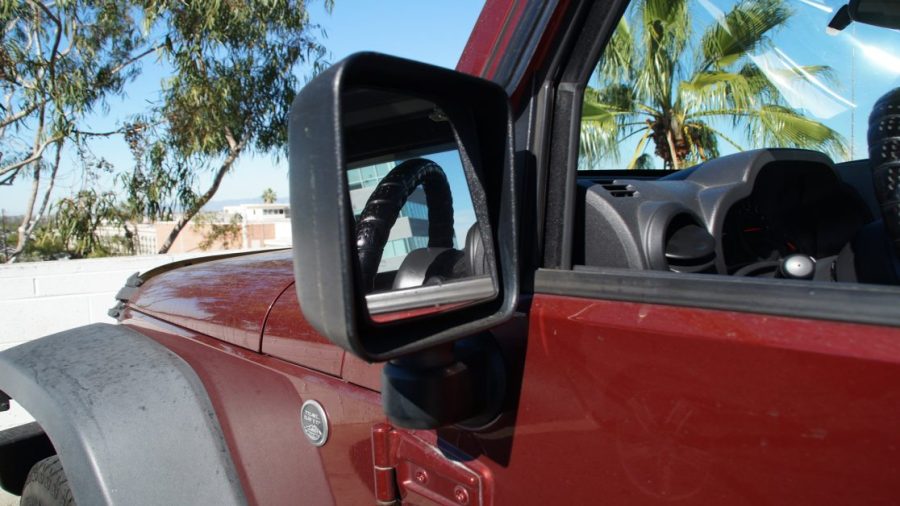
Properly adjusting your Jeep Wrangler’s side mirrors is crucial for safe driving both on highways and off-road trails. Whether you’re navigating tight city streets or tackling rugged terrain, having optimal mirror visibility can prevent accidents and enhance your overall driving experience.
The process involves locating the L/R switch on your driver’s door panel or center console, selecting the appropriate side (L for left, R for right), and using the joystick control to adjust each mirror’s position. This applies to both JK (2007-2018) and JL (2018+) Wrangler models, though control locations may vary slightly.
Most Jeep Wranglers come equipped with power mirrors on Sport S, Sahara, and Rubicon trims, while base Sport models typically feature manual mirrors. Understanding your specific setup is essential for proper adjustment.
This comprehensive guide will walk you through every step, troubleshoot common issues, and provide pro tips for optimal mirror positioning that reduces blind spots and maximizes safety.
Understand Your Jeep Wrangler’s Mirror Types
Before adjusting your mirrors, it’s important to identify whether your Wrangler has power or manual side mirrors. This distinction affects both the adjustment process and available features.
Power mirrors come standard on Sport S, Sahara, and Rubicon trims and include integrated defrosters for cold-weather driving. These mirrors require the ignition to be turned on and use electrical controls for adjustment.
Manual mirrors are typically found on base Sport models and require physical adjustment by hand. They lack defroster functionality and don’t rely on electrical systems.
Power vs. Manual Differences
Power mirrors offer precise adjustment through joystick controls and often include heating elements to prevent ice buildup. They’re connected to your Wrangler’s electrical system via the F96 fuse and can be affected by electrical issues.
Manual mirrors, while less convenient, are more reliable in harsh conditions and immune to electrical failures. They require you to physically push the mirror housing to achieve the desired angle, which can be challenging to fine-tune compared to power mirrors.
JK models (2007-2018) versus JL models (2018+) may have different mirror designs and mounting systems, but the basic adjustment principles remain consistent across generations. When does the 2026 Jeep Wrangler come out with potentially updated mirror technology? Understanding these fundamentals will still apply.
Locate the Side Mirror Controls
Finding your mirror controls is the first step in proper adjustment. The location varies between Wrangler generations and trim levels.
For JL Wranglers (2018+): Look for the mirror control switch on the driver’s door panel, typically positioned below the window controls. The switch consists of a selector knob (L/R) and a four-way joystick.
For JK Wranglers (2007-2018): Controls may be located either on the driver’s door panel or on the center console near the gear shifter, depending on the specific model year and trim level.
JL vs ergonomics and driver accessibility
The switch is usually black plastic with clear L/R markings and directional arrows on the joystick.
JK models show more variation, with some years placing controls on the center console. If you can’t locate the switch on your door panel, check the area around your gear shifter and parking brake.
Remember that power mirrors require the ignition to be in the “ON” or “ACC” position to function. If your mirrors aren’t responding to control inputs, verify that your engine is running or the key is turned to the accessory position.
Step 1: Adjust Driver-Side (Left) Mirror
Start with your driver-side mirror, as this provides your primary view of traffic approaching from behind and vehicles in adjacent lanes.
Key Action: Turn the selector knob to the “L” position, then use the joystick to move the mirror up, down, left, or right until you achieve optimal positioning.
Position yourself in your normal driving posture with your seat adjusted properly. The driver-side mirror should show a small portion of your vehicle’s side (about 10-15% of the mirror’s view) with the horizon line running through the middle of the mirror.
Expected Outcome: You should have a clear view of your lane and the shoulder area with minimal blind spots. The mirror should capture vehicles as they move out of your rearview mirror’s range.
Common Mistake: Many drivers forget to select “L” first, then wonder why the mirror won’t move. Always verify the selector is in the correct position before attempting adjustment. Another frequent error is the positioning of the area for other traffic.
Fine-tune the angle by making small joystick adjustments. Push up to angle the mirror toward the sky, down toward the ground, left toward your vehicle, or right away from it. Take your time to get the positioning exactly right, as proper adjustment significantly impacts safety.
Test your adjustment by having someone walk around your vehicle or by observing how other vehicles appear in the mirror while parked. The transition from rearview mirror to side mirror should be seamless, with vehicles moving smoothly from one mirror’s view to the other.
Step 2: Adjust Passenger-Side (Right) Mirror
With your driver-side mirror properly positioned, switch your attention to the passenger-side mirror for complete visibility coverage.
Key Action: Switch the selector knob to “R” and repeat the joystick adjustment process. This mirror typically requires a wider angle since you’re viewing it from farther away.
The passenger-side mirror should provide a broader field of view than the driver-side mirror due to the increased distance from your seating position. Objects in this mirror will appear smaller, so adjust accordingly to maintain good visibility of approaching vehicles.
Expected Outcome: Achieve symmetric visibility that complements your driver-side mirror and provides comprehensive coverage of your vehicle’s surroundings. This setup is also beneficial for trailer towing preparation.
Common Mistake: Leaving the selector in “L” mode is the most frequent error, resulting in continued adjustment of the driver-side mirror instead of the passenger side. Also, avoid the bump when adjusting the passenger mirror.
If you frequently tow trailers or carry wide loads, you may want a slightly wider angle to monitor your cargo. For highway driving, focus on capturing the lane immediately to your right and the merge areas where vehicles typically appear.
The passenger mirror should show less of your vehicle than the driver-side mirror – perhaps only 5-10% – to maximize the view of adjacent lanes and potential hazards. This asymmetric approach compensates for the viewing angle difference between the two mirrors.
Step 3: Fine-Tune for Optimal Alignment & Test
After initial positioning, fine-tuning ensures maximum safety and visibility in all driving conditions.
Key Action: Park your vehicle straight, then lean slightly left and right to check for blind spots. Use the “blind zone” elimination method by adjusting mirrors so departing vehicles smoothly transition from rearview to side mirrors to peripheral vision.
Walk around your Wrangler to test the coverage areas. Stand at various positions beside and behind your vehicle to understand what’s visible in each mirror. This physical test reveals gaps in coverage that aren’t apparent from the driver’s seat.
Expected Outcome: When properly adjusted, you shouldn’t see the same vehicle in both your rearview mirror and side mirror simultaneously. As a car passes you, it should move seamlessly from your rearview mirror to your side mirror, then into your peripheral vision without disappearing from view.
Common Mistake: Setting mirrors like traditional car mirrors often leaves dangerous blind spots. Jeep Wranglers have different proportions and sight lines than passenger vehicles, consider slightly wider angles to spot obstacles, other vehicles, or trail markers that might not be visible with highway-optimized settings. However, avoid going too wide, as this reduces your ability to judge distances accurately.
Make final micro-adjustments while sitting in your normal driving position. Small changes can have significant effects on visibility, so take time to perfect the positioning. If you share the vehicle with other drivers, consider showing them how to quickly readjust the mirrors for their height and seating preferences.
Troubleshooting Common Mirror Issues
When your Jeep Wrangler’s power mirrors stop working properly, several common issues might be the culprit.
Fuse Problems: Check the F96 fuse in your fuse box, typically located under the hood or dashboard. A blown fuse will prevent all power mirror functions, including adjustment and defrosting. Replace with the same amperage fuse if blown.
Door Harness Issues: The wiring harness connecting your door to the vehicle body can develop problems over time, especially in off-road conditions. Symptoms include intermittent mirror operation or complete failure of one side. This often requires professional diagnosis and repair.
Switch Malfunction: The L/R selector switch can wear out or become contaminated with dirt and debris. Clean around the switch with compressed air and verify it clicks firmly into each position. A faulty switch may cause mirrors to move in the wrong direction or not respond at all.
For defroster activation, the mirror heating elements usually operate in conjunction with the rear defroster button is activated and functioning properly.
Manual Override: If power mirrors fail completely, most can be adjusted manually by carefully pushing the mirror housing. Use gentle pressure and avoid forcing the mirror, as this can damage the internal mechanisms. This is particularly useful when dealing with electrical problems that might be similar to other Jeep electrical issues, such as how to get Jeep Compass out of limp mode.
Pro Tips for Off-Road & Tall Drivers
Off-road driving and driver height variations require special mirror adjustment considerations for optimal safety and visibility.
Wider Angle for Trails: When heading off-road, adjust your mirrors for a slightly wider field of view to spot trail obstacles, other vehicles on narrow paths, and trail markers. This broader perspective helps navigate tight spaces and avoid hazards that might not be visible with standard highway settings.
Height Adjustments: Tall drivers often need to angle mirrors differently to account for their elevated seating position. If you’ve installed the best lift kit for a Jeep Wrangler, your mirror positioning will need adjustment to accommodate the changed vehicle height and sight lines.
Folding for Storage: Many Wrangler mirrors can be folded in toward the vehicle for tight storage spaces or to prevent damage during extreme off-road adventures. Learn the proper folding technique to avoid damaging the mirror mechanism.
Seasonal Adjustment: In winter, adjust your mirrors slightly upward to improve visibility of road conditions, while in summer off-roading, tilt them downward to better spot ground obstacles.
Door Removal Tips: Removing the doors is a popular Wrangler modification, but keep in mind that doing so also removes your side mirrors. Plan with aftermarket mirror solutions or drive with extra caution when going doorless.
For convoy off-roading, adjust mirrors to better spot vehicles behind you on trails. This might mean temporarily wider angles that you’ll readjust for highway driving afterward.
FAQ
Do all Wranglers have power mirrors?
No, base Sport models typically come with manual mirrors, while Sport S, Sahara, and Rubicon trims include power mirrors with defrosters as standard equipment.
How do I activate the mirror defrosters?
Mirror defrosters typically activate automatically when you press the rear window defroster button. The mirrors will warm up to melt ice and clear condensation.
Can I adjust mirrors when the engine is off?
Power mirrors require the ignition to be in the “ON” or “ACC” position to function. Manual mirrors can be adjusted anytime by hand.
What if only one mirror moves?
This usually indicates a problem with the specific mirror’s motor or wiring harness. Check connections and consider a professional diagnosis if the issue persists.
Should I adjust mirrors differently for towing?
Yes, when towing trailers, adjust mirrors wider to monitor your trailer and provide better visibility of vehicles approaching in adjacent lanes around your extended vehicle length.
Conclusion
Properly adjusted side mirrors are essential for safe Jeep Wrangler operation in all conditions. Follow these step-by-step instructions, test your adjustments thoroughly, and don’t hesitate to troubleshoot issues using the guidance provided. Remember to readjust whenever you change seating positions or switch between highway and off-road driving scenarios.