Are Mini Coopers Reliable? A Complete Guide to Dependability, Problems, and Ownership Costs

Mini Coopers sit squarely in the middle of reliability rankings. They’re dependable enough for daily driving when properly maintained, but they demand more attention and expense than mainstream hatchbacks like the Honda Civic. The straight answer: newer Minis (2014 and beyond) achieve solid reliability with J.D. Power scores of 82-84/100, while older generations carry significant risk and higher repair bills.
The brand’s reputation stems from earlier generations that stumbled with timing chain failures and oil consumption issues. That narrative no longer applies to current models, though the cost of ownership remains above average. Understanding which generation you’re considering and what to budget for maintenance separates a satisfying purchase from an expensive mistake.
Overall Reliability Rankings and What They Mean
Mini Coopers have undergone a dramatic reliability transformation over the past decade. In 2009, J.D. Power ranked the brand dead last in initial quality surveys. By 2024, Mini tied for third place among all automotive brands with a dependability score of 174 problems per 100 vehicles, compared to the industry average of 186. This shift didn’t happen overnight—it reflects a fundamental redesign philosophy beginning in 2014.
The current generation scores consistently in the “Great” category across independent surveys. The 2024 Cooper Hardtop achieved 82 points on J.D. Power’s 100-point reliability index. The 2020 four-door variant scored even higher at 84 points. These numbers place Mini well above compact hatchbacks that carry a reputation for problems, and compete favorably against brands marketed on stability.
RepairPal ranks Mini at 3 out of 5 for reliability overall, positioning it 25th among 32 car brands. This mid-tier placement reflects that while the cars run adequately, they require service 0.6 times annually compared to the 0.4 industry average—suggesting more frequent attention than typical compacts.
Consumer Reports data on 2021-2023 models predicted above-average reliability for the 2024 model year, signaling continued improvement. However, this positive assessment applies primarily to vehicles from 2014 onward. Older generations tell a different story entirely.
Generation-by-Generation Reliability Breakdown
Comparing Mini reliability across generations reveals why owner experiences vary so wildly. The difference between a 2006 and a 2016 Mini Cooper is roughly equivalent to comparing a 1990s Honda to a modern one—manufacturing practices and engineering philosophies changed that dramatically.

First Generation (2002-2008): R50 and R53 Models
The original Mini Cooper used a Chrysler-sourced engine paired with simplistic electronics, which paradoxically created decent reliability despite the car’s age. The iron-block engine proved robust, with many examples surpassing 150,000 miles without catastrophic failure. Power steering pumps, harmonic balancers, alternators, and starters require service around 100,000-120,000 miles, but these are predictable wear items rather than design flaws.reddit+1
The supercharged R53 variant introduced complexity that fragmented reliability. Those who stayed on top of oil changes and servicing reported positive experiences. Those who treated these cars like ordinary economy vehicles encountered expensive failures. The relative lack of electronic systems made first-generation Minis easier for owners or independent shops to diagnose and repair.
The drawback: parts sourcing becomes increasingly difficult as these cars age. Critical components like the Eaton supercharger in the R53 are no longer in production. Finding replacement parts for 20-year-old vehicles often means importing from specialty suppliers or salvage yards.

Second Generation (2007-2013): R56 and R60 Models
This generation damaged Mini’s reputation so severely that the company spent billions on engineering fixes in subsequent decades. BMW outsourced engine development to PSA, resulting in the “Prince” engine family—a decision that haunted owners for years. The N14 turbo engine became notorious for timing chain tensioner failures that created an ominous “death rattle” at cold startup.sdeuropean+1
Left unattended, timing chain problems escalated to catastrophic engine failure. The N18 engine that arrived mid-cycle improved matters, but didn’t eliminate concerns. Beyond the engine, second-generation Minis suffered transmission failures (particularly early CVT automatics), cooling system leaks, and excessive oil consumption—some examples burning a quart every 600-800 miles.
The 2010 R56 Cooper S stands out as particularly problematic, with four NHTSA recalls, including two for faulty water pumps, plus constant reports of oil leaks, check engine lights, and coolant system failures. BMW responded with extended timing chain warranties, essentially admitting the problem.
Pre-2011 R56 models should be approached cautiously, even at attractive prices. The 2011-2013 refresh (often called “post-LCI”) addressed some timing chain concerns but carried forward other weaknesses. Buying a used second-generation Mini requires verified service records, timing chain inspections, or complete replacement before purchase—often costing $2,000+ upfront just to make the car reliable.
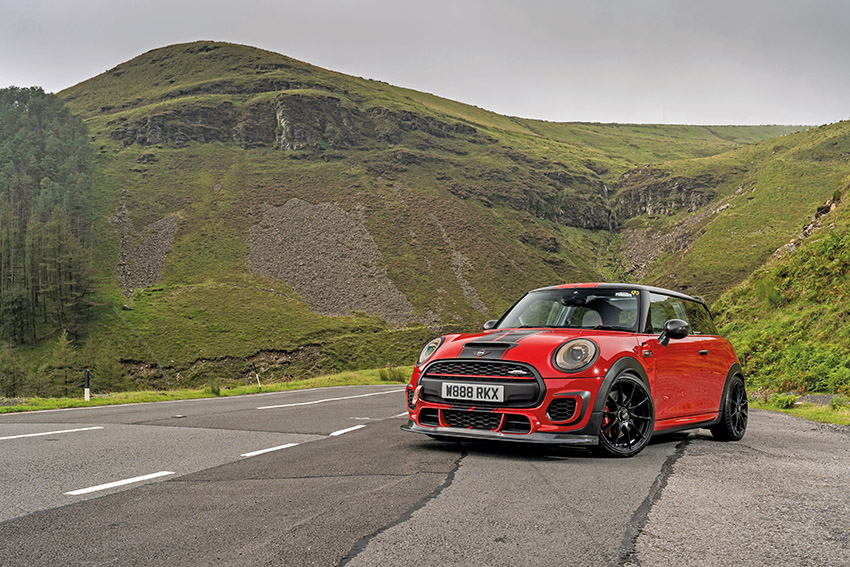
Third Generation (2014-2023): F56 and F60 Models
Everything changed in 2014. Mini engineered the F56 on BMW’s UKL platform using in-house B38 and B48 modular engines designed from the ground up for transverse, front-wheel-drive layouts. Manufacturing quality jumped dramatically. Warranty claims plummeted, and by 2017, Mini achieved an entire year without a single recall—a milestone unthinkable just seven years earlier.
These Minis feel more solid in every dimension. The engines proved genuinely reliable, with hundreds of thousands of miles logged by owners running normal maintenance intervals. The most commonly reported issue affecting Gen 3 Minis involves upper engine mount failure around 60,000 miles, costing $800-$1,200 to repair—an inconvenience but not catastrophic. Some early models (2013-2015) carried over minor timing chain concerns, but later examples shed these problems entirely.
The F56 sits ideally at the intersection of price and reliability for used-car shoppers. A 2016 example now trades in the $15,000-$20,000 range with relatively predictable maintenance needs. A 2019-2021 model offers even greater peace of mind, with most owners reporting 70,000-100,000 miles without major failures.
Drawbacks remain: infotainment glitches appear occasionally in early models, electric window regulators fail due to worn cables and brittle plastic guides, and premium fuel (89+ octane minimum) is mandatory. But these are maintenance irritations rather than structural weaknesses.
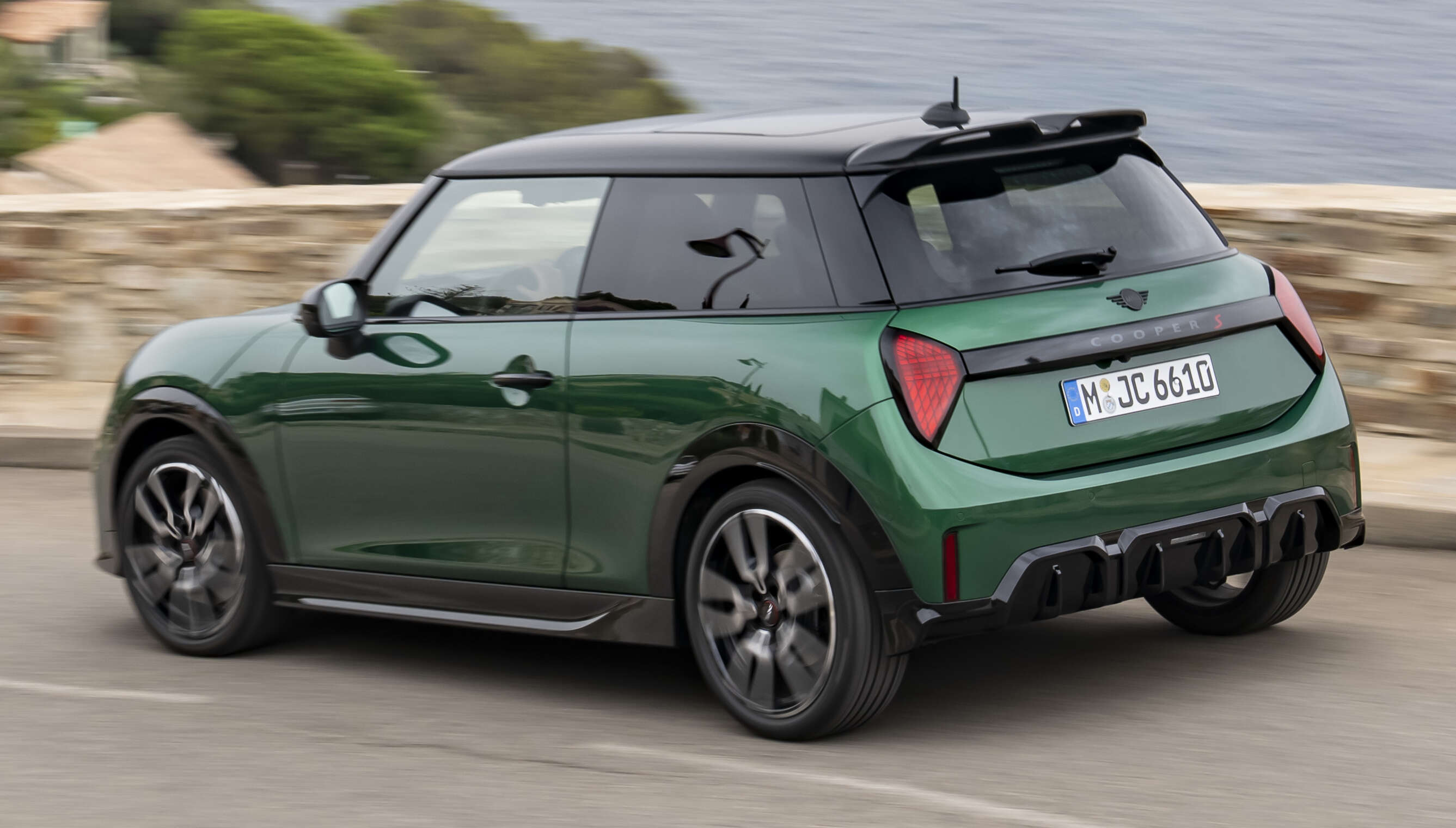
Fourth Generation (2024-Present): F66 and U25 Models
The newest Minis represent evolutionary refinement rather than revolutionary change. They retain the proven B38 and B48 engines with updated tuning, carry forward the robust F-chassis architecture, and layer on modern technology, including OLED displays and electric powertrain options.
No long-term reliability data exists yet, but the conservative approach—refining what already worked rather than redesigning from scratch—suggests continued strong performance. Early data from 2024 models reinforces this prediction, though full ownership insights won’t accumulate for several years.
Common Mini Cooper Problems: When and Where They Appear
Mini Coopers develop specific problems tied to engine families and model years. Understanding which issues plague which generations helps prioritize inspections when shopping for used models.
Cooling System Failures
Plastic thermostat housings prone to cracking plague first and second-generation Minis, triggering coolant leaks, engine overheating, and water pump failures. The thermostat housing typically requires replacement by 50,000 miles, costing $400-$600 in labor plus parts.paddockimports+2
Second-generation Minis suffered particularly severe cooling system defects. Between 2007 and 2011, BMW recalled over 88,000 Minis for faulty auxiliary water pumps that could overheat and—in rare cases—start engine fires. Even today, water pump replacement remains common around 60,000-80,000 miles, often running $200-$400 for the part alone plus $200-$300 in labor.sdeuropean+1
Modern Minis (Gen 3 and beyond) addressed these vulnerabilities with improved component design and more robust manufacturing processes. Cooling system issues become less frequent, though still possible, with age or lack of maintenance.
Timing Chain and Tensioner Issues
The “death rattle”—an ominous rattling sound when starting a cold engine—signals timing chain or tensioner wear. Second-generation Minis with N14 engines developed this problem around 50,000 miles in many cases, sometimes much earlier.reddit+2
The problem stems from inadequate oil lubrication (compounded by BMW’s decision not to include oil pressure warning systems until later) and marginal tensioner design. Left unaddressed, timing chain stretch leads to poor engine performance, check engine lights, and eventually complete engine failure requiring replacement, costing $3,000-$5,000.
Preventive timing chain service, while expensive ($800-$1,200), saves money compared to dealing with catastrophic failure. Third-generation Minis equipped with revised chains and improved tensioning virtually eliminated this problem.
Oil Leaks and Consumption
Second-generation Minis—particularly the N14 engine—earned a reputation for excessive oil consumption. Owners reported burning a quart of oil every 600-800 miles under normal driving. Even with perfect maintenance, these engines seemed fundamentally thirsty.
Oil consumption resulted from the engine’s core design rather than misuse, though poor maintenance accelerated problems. Leaks also developed from valve cover gaskets, oil filter housings, and core plugs, creating visible spots under parked cars and engine bay messiness.
Third-generation engines demonstrated dramatically reduced oil consumption when maintained to specification. This improvement ranks among the most significant differences between ownership experiences across generations.
Transmission Problems
Early Mini Coopers equipped with CVT automatic transmissions gained notoriety for premature failure. Symptoms included hard shifting, delayed gear engagement, and complete transmission failure requiring $2,500-$4,000+ repairs.
BMW announced extended warranty coverage for transmission repairs on affected vehicles, effectively admitting design flaws. Manual transmissions proved far more durable, making them preferable for longer-term ownership, particularly in second-generation models.
Third-generation models moved to modern dual-clutch automatics (DCTs) that proved reliable, though not immune to occasional software glitches requiring updates.
Power Steering Pump Failure
Power steering pump failure affects first and second-generation Minis disproportionately, triggered by low fluid levels or faulty coolant fans that fail to regulate engine temperatures adequately. Failure produces a noticeably harder steering feel. Replacement costs $300-$500 plus labor.
Addressing failures quickly prevents secondary problems from becoming expensive repairs. Third-generation models experienced fewer power steering complaints, suggesting engineering improvements.
Turbocharger Wear (Turbo Models)
Turbocharged engines in performance-oriented Minis (particularly S and JCW variants) face turbocharger failure typically at higher mileage (80,000+ miles) or under hard driving. Symptoms include power loss, excess exhaust smoke, and characteristic high-pitched whining noises.dosebmw+1
Turbocharger problems stem from oil starvation, contamination, or boost leaks. Prevention requires rigorous oil change intervals and avoiding extended high-RPM driving without adequate warm-up. Replacement turbos cost $1,200-$2,000 plus labor ($500-$800).
Engine Mount Wear
Third-generation Minis display a specific weakness: upper engine mount failure around 60,000 miles. This issue doesn’t plague earlier generations as commonly, suggesting specific design characteristics in the F56 platform.bramanmini+1
Engine mount failure produces noticeable vibration, clunking sounds during acceleration, and visible movement of the engine when observing from underneath. Replacement runs $800-$1,200, depending on shop rates and whether only the upper mount or multiple mounts require service.
Window Regulator Failures
Across all generations, front door window regulators fail with frustrating regularity as regulators age. Symptoms include windows moving jerkily, grinding noises, or windows that won’t operate at all. In severe cases, glass falls into the door.
The problem traces to worn cable mechanisms and brittle plastic guide channels that crack over time. Replacement typically costs $200-$400 in labor plus $100-$200 for parts, making it an expensive repair for a minor inconvenience.
Electrical System Issues
Newer Minis (2014+) introduced sophisticated infotainment systems and electronic controls that occasionally misfire. Bluetooth connectivity issues, warning light malfunctions that don’t clear after repairs, and sensor faults appear in early model examples.
These issues rarely prove serious—usually resolving through software updates or replacement sensors costing $100-$300—but create frustration with modern vehicles expected to simply work.
Long-Term Durability: Can Mini Coopers Last 150,000+ Miles?
Mini Coopers demonstrate capability for extended lifespans when properly maintained, though realistic lifespan varies dramatically by generation.
First-generation Minis frequently exceed 150,000 miles without major failure, with some reaching 200,000 miles. The mechanical simplicity and robust cast-iron engines create durability. Extended ownership requires accepting higher per-repair costs and difficulty sourcing vintage parts.
Second-generation Minis typically struggle reaching 150,000 miles without encountering expensive problems—particularly timing chain and transmission issues that become increasingly likely after 100,000 miles. Some owners report vehicles becoming uneconomical to maintain around 80,000-100,000 miles.
Third-generation Minis regularly achieve 150,000-200,000 miles with disciplined maintenance and no catastrophic failures. Owners report 70,000-100,000 miles as the point where routine suspension and minor electrical work become more frequent, but nothing prevents continued reliable operation.bramanmini+1
Success requires strict adherence to manufacturer maintenance intervals (oil changes on schedule, synthetic fluid only), premium fuel, and prompt attention to warning lights. Owners who defer maintenance or treat Minis like economy vehicles face expensive surprises far sooner than those maintaining them to specification.
Realistic Maintenance Costs and Budgeting
Mini Coopers command higher ownership costs than comparable Honda or Toyota hatchbacks, a critical consideration beyond initial purchase price.
Annual maintenance averages $854 per year, exceeding the industry standard of $652 by over $200. Over 10 years, expect approximately $6,706 in combined maintenance and repairs, which actually beats the broader industry average by $1,550, suggesting that while routine maintenance costs more, major repair frequency remains relatively moderate.caredge+1
Breaking down the expense: first-generation Minis typically cost less for routine service but more when major repairs become necessary. Parts availability and labor complexity drive costs upward. Second-generation Minis represent the worst-case scenario, with frequent, expensive repairs making ownership particularly costly.
Third-generation Minis maintain manageable maintenance costs when things go right—routine services running $150-$250 for an oil change package—but European specialist labor rates and premium parts push expenses above domestic brands. A major repair (engine mount replacement, turbocharger service, transmission work) quickly climbs to $1,000-$2,500 depending on complexity.
Specialist shops focusing on European vehicles cost less than Mini dealerships but remain more expensive than independent mechanics working on Hondas or Mazdas. Additionally, sourcing parts from specialized suppliers sometimes requires overseas shipping, adding delays and cost to repairs.
Budget $600-$800 annually for routine maintenance (oil changes, filters, inspections) on third-generation Minis, plus $1,500-$2,000 as a contingency reserve for unexpected repairs. Second-generation ownership should budget $1,000+ annually plus a larger emergency fund.
Which Model Years Deserve Consideration (and Which Don’t)
Navigating the used Mini Cooper market requires knowing which specific years offer reasonable value and reliability versus which represent financial traps.
Best Model Years
2014-2015 F56: Early examples of the completely redesigned generation, these represent the beginning of Mini’s reliability transformation. While some minor timing chain concerns carried over and early infotainment glitches appeared, they’re dramatically more reliable than second-generation vehicles. Prices now range $15,000-$18,000 for low-mileage examples.
2016-2018 F56: The optimal sweet spot for budget-conscious buyers seeking proven reliability. The 2016 model year eliminated lingering timing chain issues present in 2014-2015 examples. By 2017, the platform had matured with all major design flaws resolved. These models typically cost $18,000-$23,000.carbuzz+1
2019-2021 F56: The most reliable used Minis available, these later examples benefited from accumulated improvements and refinement. The 2019 model achieved an exceptional 85 out of 100 quality and reliability rating from J.D. Power. Expect prices around $22,000-$28,000.
2002-2006 R50: First-generation examples remain fundamentally reliable if properly maintained, with robust engines and straightforward mechanics. These appeal to enthusiasts comfortable with dated interiors and less refinement but seeking mechanical simplicity. Prices range $4,000-$8,000, though parts sourcing presents challenges.
Model Years to Avoid
2007-2010 R56: This problematic window represents the worst Mini Coopers produced—combining first-generation reliability with second-generation complexity. Timing chain failures, oil starvation, and transmission problems make these poor purchases even at attractive prices.carbuzz+1
2010 R56 S specifically: This model year stands out as particularly troublesome, with multiple recalls, constant oil leaks, cooling system failures, and check engine lights. Avoid regardless of price.
2011-2013 R56: The post-LCI refresh improved matters but didn’t eliminate underlying problems. These models represent a middle ground—better than 2007-2010 but still riskier than 2014+. They occupy an awkward price range where you’re paying relatively significant money for a second-generation vehicle with lingering concerns.
Maintenance Strategies That Maximize Reliability
Mini Cooper reliability depends less on the manufacturer’s quality than the owner’s discipline. Following specific practices dramatically improves ownership experiences.
Observe Maintenance Intervals Rigidly: Mini Coopers don’t forgive skipped oil changes. Use synthetic oil exclusively and change it precisely when the onboard computer indicates (typically 10,000-15,000 miles), not based on time intervals. BMW engines are engineered for synthetic performance; conventional oil creates accelerated sludge and wear.
Feed Premium Fuel: Second and third-generation Minis require 89+ octane gasoline minimum, preferably 91-93 octane. Budget fuel causes knock, timing retardation, and potential engine damage. The cost of premium fuel ($1-$2 more per fill-up) saves thousands in potential repairs.
Address Warning Lights Immediately: Mini infotainment systems occasionally display warnings that don’t clear after repairs. Ignoring lights, assuming they’re false alarms, invites catastrophic failures. Diagnostic scans ($80-$150) identify actual issues versus system glitches.
Plan Suspension Service Proactively: Suspension components wear faster on Minis than mainstream hatchbacks due to sporty tuning. Budget for strut replacements, control arm bushings, and suspension refresh around 50,000-70,000 miles to maintain ride quality and prevent accelerated wear on other components.
Use Specialist Mechanics: Independent shops specializing in European or Mini vehicles charge less than dealerships while maintaining expertise. Local Mini clubs often provide referrals to trusted technicians who prevent problems through knowledge of common failures.
Track Service History: Maintain meticulous documentation of all services, particularly timing chain inspections, suspension work, and coolant system maintenance. When selling or trading the vehicle, comprehensive service records justify higher prices and make the sale easier.
Mini Cooper Versus Honda Civic: A Reliability Perspective
Comparing Mini Coopers to the Honda Civic reveals fundamental philosophical differences in how manufacturers approach compact cars—and why reliability and ownership costs differ significantly.
The Honda Civic achieves 32 MPG city and 41 MPG highway with a standard five-year unlimited-kilometer warranty and servicing every 12 months or 10,000 kilometers. It qualifies as a certified “best value” compact car from reliability, efficiency, and affordability standpoints. Repair costs and parts availability remain manageable through any independent shop nationwide.
Mini Coopers prioritize driving engagement over practicality and efficiency. They deliver superior handling, agility, and styling at the cost of higher expenses, a smaller cargo area, and a firm ride quality that some find uncomfortable. The vehicles attract buyers who value personality and performance over boring reliability metrics.
Direct comparison misses the point because these cars serve different buyers. Honda Civic appeals to those needing dependable transportation at minimal cost. Mini Cooper attracts those prioritizing driving experience and willing to budget accordingly. Neither choice is objectively “better”—they address different buyer priorities.
For pure reliability and economy of ownership, the Civic wins decisively. For driving engagement, style, and personalization, the Mini succeeds. Financially constrained shoppers should choose Honda. Those able to accommodate higher ownership costs will find Mini ownership rewarding.
The Bottom Line: Should You Buy a Mini Cooper?
Mini Coopers are reliable vehicles in the 2014+ generation, provided expectations align with reality. These cars demand more attention and expense than mainstream hatchbacks, yet deliver genuine driving pleasure and distinctive personality.
Best Case: A 2016-2019 F56 Mini Cooper with documented service history and under 80,000 miles from a single careful owner. Expect $18,000-$25,000 and predictable ownership expenses with minimal surprises.
Good Case: A 2014-2015 F56 showing slightly higher mileage but complete maintenance records. Timing chain concerns have been resolved, and vehicles this age rarely harbor catastrophic problems.
Risky Case: Any second-generation model (2007-2013), regardless of apparent condition or service history. The engineering problems run too deep to ignore without a comprehensive pre-purchase inspection revealing past timing chain work and full replacement recommendations.
Avoid entirely: 2007-2010 examples and the 2010 R56 S specifically. The repair costs and reliability issues make them poor values at any price point.
Mini Coopers reward committed ownership with years of dependable service, distinctive driving experiences, and a passionate community of enthusiasts. They punish neglect with expensive failures and frustration. The choice depends less on the car’s inherent reliability than on whether your commitment to proper maintenance and elevated expenses matches the ownership responsibility.