What Does “Run” Mean on a Jeep Compass? Dashboard Explained


“Run” is the second ignition position on your Jeep Compass. It sits between “Accessory” and “Start” on the ignition switch. When your key reaches this position, all core electrical and fuel systems power on — whether the engine is running or not.
Many Compass owners see this term on their dashboard or in their owner’s manual and assume something’s wrong. It’s not a warning. It’s just how your ignition cycle works.
What Is “Run” Mode on Your Jeep Compass?
“Run” is the steady-state ignition position your Jeep Compass enters after starting. Once the engine fires up, the ignition switch settles here automatically. It stays in “Run” the entire time you drive.
You can also manually hold your key in the “Run” position without starting the engine. This powers your dashboard, fuel systems, and engine control module (ECM) without cranking the motor. Mechanics and diagnosticians use this position frequently when checking electrical systems or reading fault codes.
The Jeep Compass ignition system follows the industry-standard four-position layout used across most modern vehicles. This applies to all generations — from the 2007 original through the 2024 model.
How “Run” Differs from Other Ignition Positions
This is where most owners get confused. Each position does something different.
Here’s a clear breakdown:
| Position | Engine Running | Systems Active | Battery Drain |
|---|---|---|---|
| Off | No | None | None |
| Accessory | No | Radio, wipers, windows | Low (~0.5A/hr) |
| Run | Yes (or standby) | All electrical + fuel systems | Moderate–High |
| Start | Cranking only | Starter motor engaged | Very High (momentary) |
“Start” is a temporary spring-loaded position. Release the key and it snaps back to “Run.” That’s by design.
Accessory vs. Run: Key Differences
Accessory mode powers your radio, power windows, and windshield wipers. That’s it. The fuel pump stays off. The ECM stays dormant.
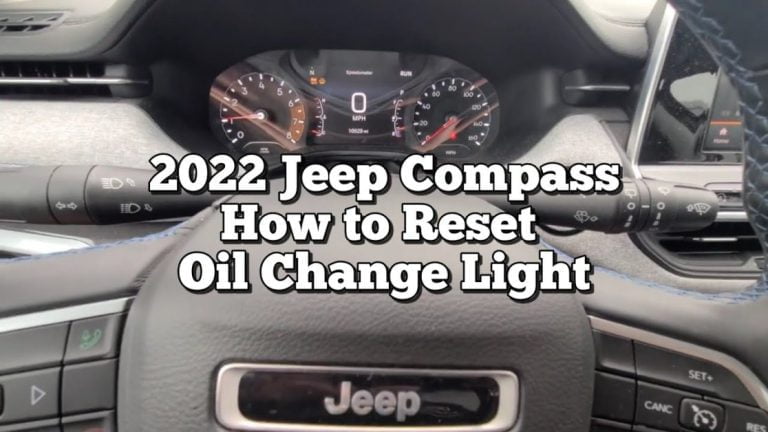
“Run” changes everything. Your fuel pump pressurizes the lines. The ECM activates. Dashboard warning lights cycle through their self-check. If you’ve ever turned the key halfway and watched your gauges sweep — that’s “Run” mode initializing.
Don’t confuse Accessory with Run for diagnostics. You’ll get inaccurate readings in Accessory mode.
Common Reasons the “Run” Indicator Appears
Most Jeep Compass owners notice “Run” in one of three situations.
1. Normal startup sequence. When you turn the key, the dash lights up briefly before the engine cranks. You’re watching the “Run” position do its job — powering all systems before the starter engages.
2. Key left in Run without engine running. If you turn the key to “Run” but don’t start the car, the electrical systems stay active. Your battery drains at roughly 1–2 amps per hour depending on which accessories are on. A typical Compass battery holds 55–70 Ah, so you have a window — but don’t leave it there for hours.
3. A dashboard fault or warning light. Some owners see unusual behavior in “Run” mode — lights that don’t extinguish, gauges that don’t sweep correctly, or warning indicators that stay on after startup. This often points to an electrical fault, a failing sensor, or a low battery.
If warning lights persist after the engine starts, don’t ignore them. Check your official Jeep manual resources for fault code definitions specific to your model year. Persistent lights in Run mode could signal anything from a loose gas cap to a failing alternator.
If your Compass shows multiple warning lights and loses power, the issue may go deeper than the ignition position. Our guide on How to Get Jeep Compass Out of Limp Mode covers the next diagnostic steps.
When and Why You Need to Know About “Run” Mode
Knowing your ignition positions matters more than most owners realize.
Battery preservation. Leaving your Compass in “Run” without the engine on drains the battery fast. Accessory mode drains it slower. Neither is ideal for long periods.
Electrical diagnostics. Technicians at Jeep dealerships use the “Run” position to pull live sensor data and fault codes via OBD-II tools. You can do the same with an aftermarket scanner. The Jeep Compass model page lists your vehicle’s compatible diagnostic systems.
Safety. Never leave your Compass in “Run” mode unattended with the engine off. The fuel pump stays pressurized. In rare electrical fault scenarios, that’s a hazard.
Idle fuel consumption. If your engine is running in “Run” mode (normal operation), your Compass consumes roughly 0.3–0.6 gallons per hour at idle. That’s the cost of sitting with the engine on but going nowhere.
Quick Tips
- “Run” is normal — it’s not a fault indicator by itself.
- Key self-check: Turn to “Run” before starting and watch all dash lights illuminate, then extinguish. That’s healthy behavior.
- Battery drain: Don’t sit in “Run” without the engine on for more than 30–45 minutes.
- Warning lights that stay on after the engine starts need diagnosis — don’t dismiss them.
- “Start” snaps back to “Run” automatically — that’s how every Compass ignition is designed.
Understanding “Run” Keeps You in Control
“Run” is simply your Jeep Compass doing exactly what it’s supposed to do. It’s the active ignition state that powers your vehicle’s systems while the engine operates.
If you see unusual dashboard behavior in this mode, consult your owner’s manual first. If warning lights persist, get a diagnostic scan at your dealership or a trusted mechanic. Most “Run” mode concerns have simple explanations — and now you know where to start.