15 Simple Jeep TJ Modifications You Can Do This Weekend

I’ve owned my 1997 Jeep Wrangler TJ for six years, and I’ll be honest — the factory setup left a lot to be desired. Worn seats, dim headlights, highway wander, and a throttle that felt like it was dragging through mud. Sound familiar? If you’re sitting on a TJ that needs some love, this list is exactly where I’d start. I pulled together 13 practical Jeep TJ modifications that cover everything from beginner bolt-ons to off-road essentials. Check out this 5 beginner Jeep TJ mods video if you want a quick visual overview before diving in.
Table of Contents
- LED Headlight Upgrades for Night Visibility
- Exterior Mirrors for Doorless Driving
- Grab Handles for Cabin Safety
- Steering Stabilizer Replacement
- Water-Resistant Seat Covers
- Throttle Cable Lever for Manual Trans
- Lift Kit for Tire Clearance
- All-Terrain Tires
- Rock Rails for Underbody Protection
- Fan Clutch Replacement for Cooling
- Hardtop or Soft Top Upgrades
- Cargo Rack for Utility
- Towing Hitch
Beginner Mods: Start Here

LED Headlight Upgrades for Night Visibility
I can’t get over how LED headlights transformed my TJ’s night drives from dark, stressful guessing games to crisp, confident visibility.
The matte black housing looks sharp against the TJ’s round grille. Bright white beams reach 3–5 times further than halogen. The contrast between modern LEDs and the classic TJ body is genuinely satisfying.
Stock halogens fail on rough roads — vibration loosens the filament, and the light output drops fast. LEDs last far longer and cut through fog without blinding oncoming traffic.
Pro Tip: I recommend the Auxbeam LED kit with a dedicated wiring harness ($120 total). Go one size up on the grommet so the cable feeds cleanly through the housing without pinching.
Best for night drivers and anyone who wheels after dark.

Exterior Mirrors for Doorless Driving
I was pulled over twice before I figured out doorless driving legally requires mirrors in most states.
Black telescoping arms with chrome accents clamp directly to your door hinge. The look is clean and purposeful — not an afterthought. If you’re not sure how to remove your doors safely first, read this guide on how to take Jeep Wrangler doors off before you start.
No mirrors means dangerous blind spots at highway speeds. It’s a legal requirement. More importantly, it’s a safety one.
Pro Tip: I use Rough Country clamp-on mirrors ($60 per pair). Bolt to the hinge, adjust the arm to give you a full 180° field of view. For a deeper look at your options, check this guide on the best Jeep Wrangler doors off mirrors.
Best for summer doorless drivers who commute on public roads.
Grab Handles for Cabin Safety
I stopped bruising my shoulder on the first trail after I bolted A-pillar grab handles into my TJ.
Powder-coated aluminum T-bar handles, mounted near the dash, give you something solid to grip when the trail gets rough. They sit flush enough that they don’t feel intrusive on daily drives.
You don’t realize how much you need them until you hit your first ledge drop. They prevent injury. No wiring, no tools beyond a socket set.
Pro Tip: TeraFlex A-pillar handles run about $40 and take under 30 minutes to install. Mount them at a slight downward angle so the grip feels natural when you brace.
Best for new off-roaders and anyone with younger passengers along for the ride.

Steering Stabilizer Replacement
I traded my TJ’s nervous, wandering highway feel for solid, predictable steering with one bolt-on swap.
The replacement unit is a black cylindrical shock, bolted straight to the front axle. Clean. Functional. No drama.
Original TJ stabilizers wear out. Most are soft and sloppy by 80,000 miles. A new one tightens up steering and makes highway driving feel like a different vehicle.
Pro Tip: Rough Country’s replacement stabilizer costs around $100 and is a direct bolt-on — no cutting, no drilling. The job takes about an hour with basic hand tools.
Best for TJ owners who notice vagueness or pull on the highway.
Water-Resistant Seat Covers
I forgot my TJ seats were torn until I slipped on a fresh set of seat covers and remembered what “presentable” looks like.
Grey fabric, black stitching, snug fit. The interior instantly looks cleaner. You’d never know what’s underneath.
TJ seats crack, stain, and wear out fast — especially if you trail ride with muddy gear. Good covers protect what’s left and make the cabin livable again.
Pro Tip: Rough Country seat covers zip on in under an hour ($80 per set). They’re water-resistant, so mud and rain wipe off without soaking into the foam.
Best for families, mud riders, and anyone embarrassed by their TJ’s interior.
Off-Road Mods: Build Capability
Throttle Cable Lever for Manual Trans
I fixed my 4.0L manual’s sluggish throttle response with a $50 kit I installed on a Saturday morning.
A matte black metal lever, rubber grommet, and a cable clamp — nothing complicated. The result feels like a different engine on the trail.
Loose throttle on the 4.0L manual is a vacuum leak waiting to happen. The factory cable routing allows slack to build up over time, which kills throttle feel on technical terrain. Watch this throttle cable lever install video to see the full process before you start.
Pro Tip: When fitting the grommet, go one size larger than the hole — I call this the grommet oversizing technique. It creates a tighter seal and stops any remaining vacuum leak dead.
Best for manual 4.0L TJ owners dealing with idle surge or spongy throttle.
Lift Kit for Tire Clearance
I finally got 33-inch tires on my TJ after a 2-inch lift cleared the fender and frame without any rubbing.
Steel coils, black shocks, and a lifted stance that fills the wheel wells properly. The TJ looks purposeful. It looks like it means business.
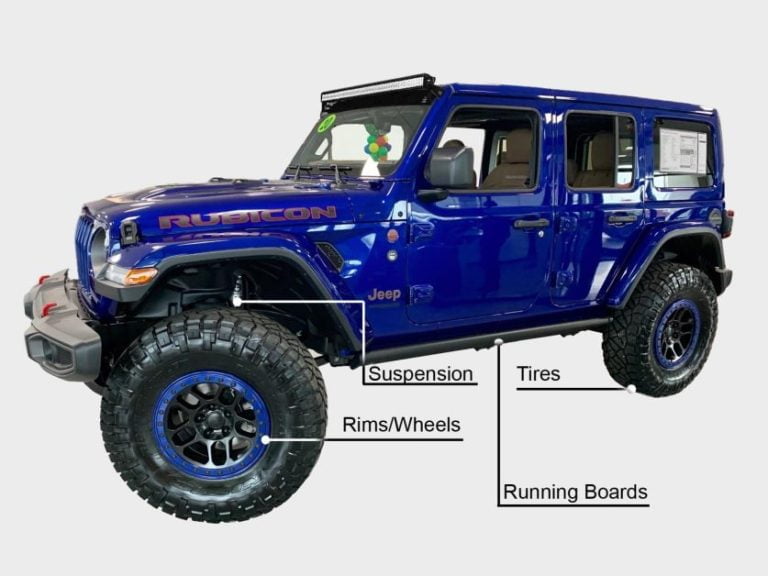
A 2–3 inch lift is the sweet spot. It clears 31–33 inch tires, improves your approach angle, and doesn’t require re-gearing unless you go above 2.5 inches. For a full breakdown of options, read this guide on the best lift kit for a Jeep Wrangler. You’ll also want to match your shocks — see best Jeep Wrangler shocks reviews for compatible options.
Pro Tip: The TeraFlex 2-inch lift kit runs about $1,200 and is a realistic 2-day DIY project. Budget for an alignment after — it’s not optional.
Best for trail riders ready to run bigger tires and improve off-road geometry.

All-Terrain Tires (31–33 Inch)
I swapped my stock street tires for BFGoodrich All-Terrain T/A KO2s and immediately felt the difference on my first gravel road.
Deep tread blocks, aggressive sidewall pattern, dark rubber with a rugged look that suits the TJ’s shape. You can see the grip before you even drive on them.
Thirty-one inches fits most TJs stock. Go to 33 inches with a 2-inch lift and you’ll have real capability on rock and mud without killing fuel economy too badly. Check this guide on the best all terrain tires for Jeep Wrangler to compare tread patterns by terrain.
Pro Tip: A full set of KO2s in 33×10.50R15 runs roughly $1,500 mounted. I air down to 18 PSI on trails for maximum traction — carry a portable inflator for the drive home.
Best for trail warriors who need year-round grip without going full mud terrain.
Rock Rails for Underbody Protection
I scraped my frame on a granite slab once. That’s all it took to convince me rock rails weren’t optional.
Matte black steel bars, bolted to the frame rails, sit low and wide. They look tough because they are tough. The texture is raw and industrial — exactly right for a trail rig.
Without rails, one bad line puts a crease in your rocker panel or cracks your frame. Steel rails take the hit instead. For a full comparison of rail options, read this guide on the best Jeep Wrangler rock rails.
Pro Tip: ARB rock sliders run about $400 and bolt on without welding — a 4-hour install with basic tools. Steel weighs more than aluminum but handles repeated rock contact far better.
Best for anyone running rocky trails where frame protection is non-negotiable.
Utility and Comfort Mods: Live With It Daily

Fan Clutch Replacement for Cooling
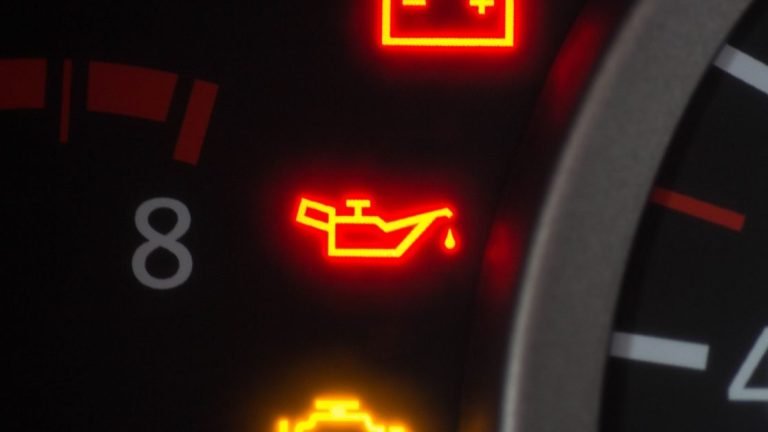
I watched my TJ’s temp gauge creep into the red on a slow trail climb before I understood what was actually wrong.
The fan clutch is a black metal assembly that sits behind your radiator. A new one spins freely when cold and locks up under heat load — exactly as designed. Simple, but critical.
Over 80% of original TJ fan clutches fail by 150,000 miles. They don’t fail loudly. They fail quietly, and your engine overheats on the worst possible day. You can order an OEM fan clutch replacement direct from Mopar to ensure proper fitment.
Pro Tip: Test yours by spinning the fan blade by hand with the engine cold. If it spins more than two full rotations freely, it’s already compromised. Replace before your next trail run.
Best for high-mileage TJ owners above 100,000 miles who haven’t touched the cooling system.
Hardtop or Soft Top Upgrades
I peeled back my TJ’s rear seal after a rainstorm and found a puddle deep enough to lose a phone in.
Grey fabric, black seams, a snug fit around the rear windows and tailgate. A good replacement top looks factory-new and keeps moisture out completely.
Old TJ tops fail at the seams and rear corners first. UV damage makes the fabric brittle. A new top with proper UV-resistant coating lasts years longer and keeps your interior dry. For weather protection between trail runs, a best Jeep Wrangler cover also helps prevent premature top degradation.
Pro Tip: The Bestop Supertop NX runs around $600 and installs in about 3 hours. Replace the rear seals at the same time — they’re $15 and prevent the most common leak point.
Best for TJ owners in rainy climates or anyone dealing with a leaking factory top.

Cargo Rack for Trail Gear
I turned my TJ into a capable overland platform by adding a roof cargo rack for recovery gear and camping kit.
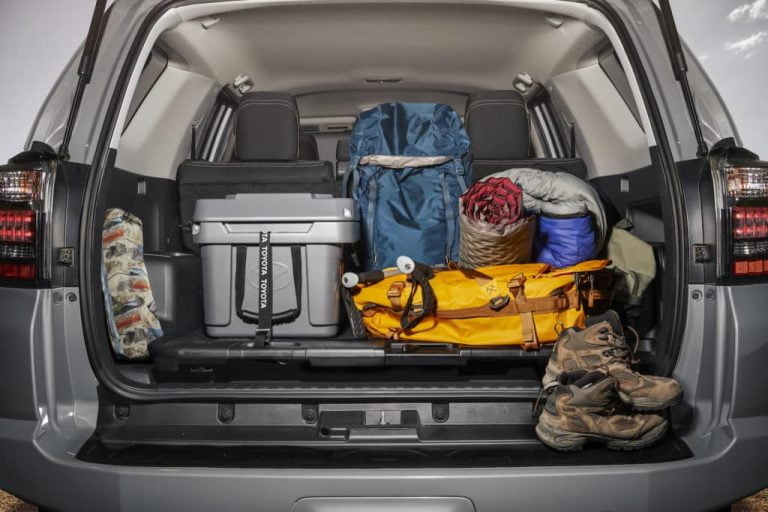
Black steel crossbars, rated to 100 lbs, sit clean and low on the hardtop. You can strap down a rooftop tent, water cans, or a spare tire without cramming the cabin. For the best mounting options, check out the best Jeep Wrangler cargo racks and pair it with a best Jeep Wrangler roof top tent for overnight adventures.
Gear in the cabin shifts on trails and blocks sightlines. A rack keeps weight centered and frees up space for passengers.
Pro Tip: Yakima’s LoadWarrior rack mounts to your hardtop rails for around $300 — no drilling required. Pair it with tie-down straps rated to 500 lbs per strap for anything heavy.
Best for overlanders, winter adventurers, and anyone who trails with more gear than a TJ cabin can hold.

Towing Hitch and Capacity
I towed my 2,800 lb aluminum fishing boat with my TJ for three seasons before I learned my factory setup wasn’t rated for it properly.
A 2-inch black steel receiver, bolt-on install, heavy-gauge construction with a chrome ball mount. It looks capable because the specs back it up.
The TJ’s factory tow rating is 3,500 lbs. Your hitch needs a 9,000–12,000 lb capacity hitch to provide a proper safety margin — the hitch itself should never be the weak link. For full year-by-year tow specs, see the Jeep Wrangler towing capacity guide.
Pro Tip: A CURT Class III trailer hitch with a 2-inch receiver runs about $200 and takes 4 hours to install. Use a torque wrench on the mounting bolts — under-torquing is the most common DIY mistake here.
Best for TJ owners towing boats, ATVs, or small trailers who want proper safety margins.
Ready to Start Wrenching?
I’ve wrenched through every mod on this list, and not one of them required a lift rack or professional shop. Start small. Pick two ideas that match your biggest pain point right now — night visibility, doorless safety, or overheating — and tackle those first this weekend.
The TJ platform is one of the most mod-friendly vehicles ever built, and that’s exactly why the community keeps growing. If you want reassurance before you buy, check out the honest breakdown of whether Jeep Wranglers are reliable long-term. Then head over to the Jeep TJ community forum to share your progress and get advice from TJ owners who’ve done it all.
Which mod are you tackling first?
Frequently Asked Questions
What’s the cheapest Jeep TJ mod for beginners?
Grab handles are the cheapest practical mod — around $40 for TeraFlex units. They install in under 30 minutes and make a real difference on rough terrain. Exterior mirrors ($60) are a close second and are legally required in most states when driving without doors.
Can I run 33-inch tires on a TJ without a lift?
No. Thirty-three inch tires will rub on the fenders and control arms without at least a 2-inch lift. Thirty-one inch tires can work on a stock TJ with minor trimming, but a 2-inch lift is the right call if you want 33s without clearance problems.
How much does a TJ lift kit cost?
Entry-level TJ lift kits start around $500 for budget brands. Mid-range options like the TeraFlex 2-inch kit run $1,000–$1,500. Premium suspension systems with upgraded shocks can reach $2,500+. Budget an extra $100–$150 for a post-install alignment.
Do I need to re-gear after a 2-inch lift?
Not necessarily. A 2-inch lift alone doesn’t require re-gearing. If you add larger tires — especially 33s or bigger — and notice a significant drop in throttle response or fuel economy, re-gearing becomes worth considering. Check this guide on how much does it cost to regear a Jeep Wrangler to understand the cost before committing.
What are the best first mods for a high-mileage TJ?
Fan clutch replacement, seat covers, and steering stabilizer. High-mileage TJs commonly overheat from failed fan clutches, have destroyed interiors, and suffer from steering wander. Fix the mechanical issues first — cosmetic and performance mods are more rewarding when the foundation is solid.